
Lebanon is heading into another round of face-to-face negotiations with Israel in Washington on Tuesday, with Beirut determined to push forward with direct diplomacy even as a recent agreement between Iran and the United States threatens to overshadow those efforts.
Lebanese officials have maintained that direct talks with Israel represent the only path to ending a war that has been raging since March 2, when armed group Hezbollah launched attacks against Israel in support of Iran. Those strikes triggered Israeli air and ground operations that have since killed more than 4,000 people in Lebanon.
Despite four rounds of Lebanese-Israeli negotiations since April, no lasting ceasefire has been achieved. The longest pause in fighting actually came this week — not from those talks, but after Iran and the United States agreed to a memorandum of understanding calling for a halt to hostilities across all fronts, including Lebanon.
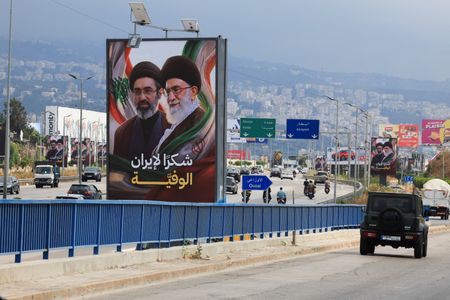
That agreement strengthened Iran-backed Hezbollah’s hand while weakening the Lebanese government, whose leaders — including President Joseph Aoun — had repeatedly warned that Tehran has no authority to negotiate on Lebanon’s behalf.
A Lebanese official and two foreign officials involved in Lebanon-related diplomacy told Reuters that the Iran-U.S. deal had left the Lebanese state in its most vulnerable position to date, raising serious doubts about what this week’s talks could realistically accomplish.
The Lebanese official expressed little confidence that the three-day negotiations would produce anything concrete. “There remains a fundamental problem of trust between us and the Israelis in these talks. We cannot fulfill their demands, and they reject all of ours,” the official said.
One of Beirut’s primary goals heading into the talks is securing a commitment from Israel to withdraw its military forces from Lebanese territory. However, senior Israeli officials have stated that troops will remain in southern Lebanon for the foreseeable future. The Lebanese official said Beirut intends to push Israel to provide a “reasonable” withdrawal timeline during the negotiations.
“This is the only chance we have to generate momentum in these talks, and in this tug-of-war with Iran,” the official said.
Israel, for its part, has framed the purpose of the upcoming talks differently. According to a pre-negotiation briefing by Israeli government spokesperson David Mencer, Israel’s goal is “disarming Hezbollah and achieving a genuine peace agreement” with Lebanon. Mencer argued that Hezbollah is the sole obstacle to reaching a deal, “which is why we believe that they should be disarmed and dismantled.”
Since 2025, the Lebanese government has taken a cautious approach to the question of Hezbollah’s weapons, attempting to reduce the group’s military capacity without directly confronting it — a move officials fear could ignite civil conflict. Hezbollah has flatly refused to disarm and has called on the Lebanese government to abandon its direct negotiations with Israel altogether.
Karim Safieddine, a fellow at the Washington-based Tahrir Institute for Middle East Policy, warned that Israel could adopt an even harder line in the Washington talks given Israeli officials’ frustration over the U.S.-Iran agreement. While that deal has brought a degree of calm to Lebanon, Safieddine told Reuters there has been “no structural change” in the underlying positions of Lebanon and Israel that would suggest a breakthrough is near.
President Aoun first proposed direct negotiations in March, but talks did not begin until mid-April, after the U.S. announced a ceasefire meant to open a diplomatic path that Washington said could eventually lead to a peace agreement. Israeli air strikes on Beirut’s southern suburbs largely stopped at that point, though intense fighting continued in southern Lebanon as Israeli forces pushed further into Lebanese villages.
In early June, the U.S. put forward another ceasefire proposal tied to the Lebanese-Israeli negotiating process, but it required Hezbollah to stop firing — a condition the group rejected outright.
Hezbollah is now banking on Iran to press for an Israeli withdrawal as part of any final deal with the United States, and the group is urging the Lebanese government to rely on that diplomatic track rather than continuing its own direct talks with Israel.