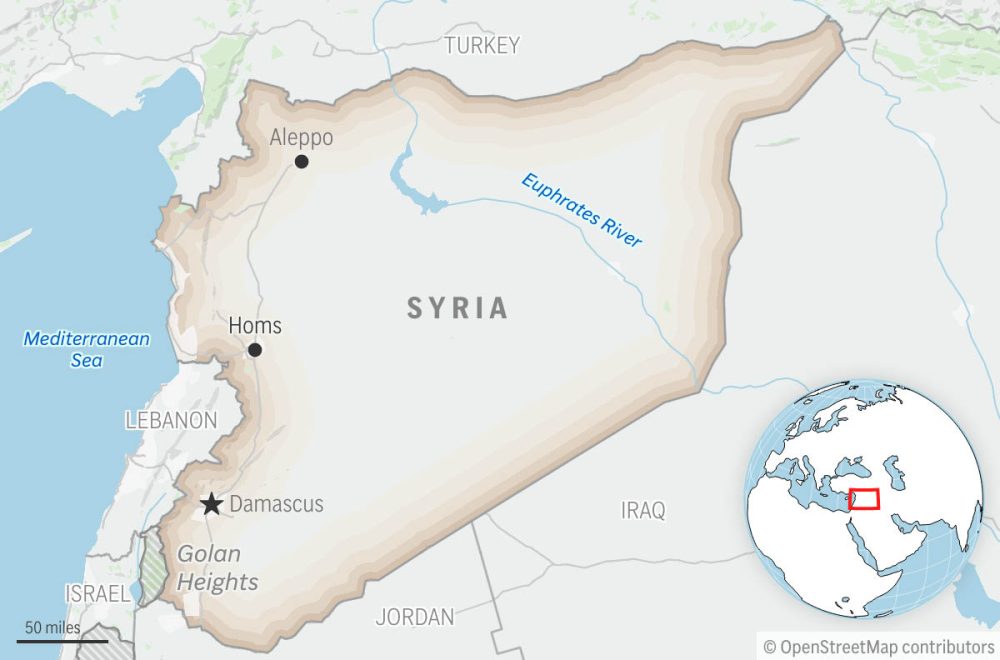

HASSAKEH, Syria (AP) — Parliamentary voting took place Sunday across Syria’s Kurdish-populated northeastern Hassakeh province and the community of Kobani, territories that returned to government authority following military action in January.
The remainder of Syria participated in People’s Assembly elections last October, nearly twelve months following the collapse of the Assad dynasty during a rebel campaign. At that time, however, extensive portions of the nation’s northeastern territory remained under Kurdish-led Syrian Democratic Forces authority, particularly Hassakeh and Kobani.
The nation continues to struggle with the catastrophic effects of its civil conflict that lasted from 2011 through 2024, with doubt persisting among significant portions of minority populations now governed by Islamist leadership, while countless Syrians face economic hardship.
During January, government military operations against Kurdish forces brought those areas back under Damascus control, now governed by interim President Ahmad al-Sharaa’s Islamist-led administration.
Sunday’s balloting determined the final 11 positions in Syria’s inaugural parliament following former President Bashar Assad’s removal from power. Hassakeh accounts for nine positions while Kobani in Aleppo province represents two additional seats.
Although legislative contests during Assad’s rule lacked genuine competition and essentially involved internal Baath Party member selection, the current system under al-Sharaa also falls short of complete democratic representation. Electoral colleges within Syria’s districts select most parliamentary positions, while al-Sharaa personally selects the remaining third of lawmakers.
Nevertheless, participants expressed contentment with the procedure as progress in Syria’s post-conflict and post-authoritarian transition.
“We want representatives who will amplify the voices of people the Hassakeh,” Mukhalaf al-Hatthal, one of the voters in Qamishli, told The Associated Press. He said the biggest concerns are related to infrastructure, agriculture and maintaining peace. “There is a great democratic atmosphere here.”
However, Masoud al-Majeed, another member of the electoral college, said he hoped that the voting process will change, adding the current one does not represent everyone.