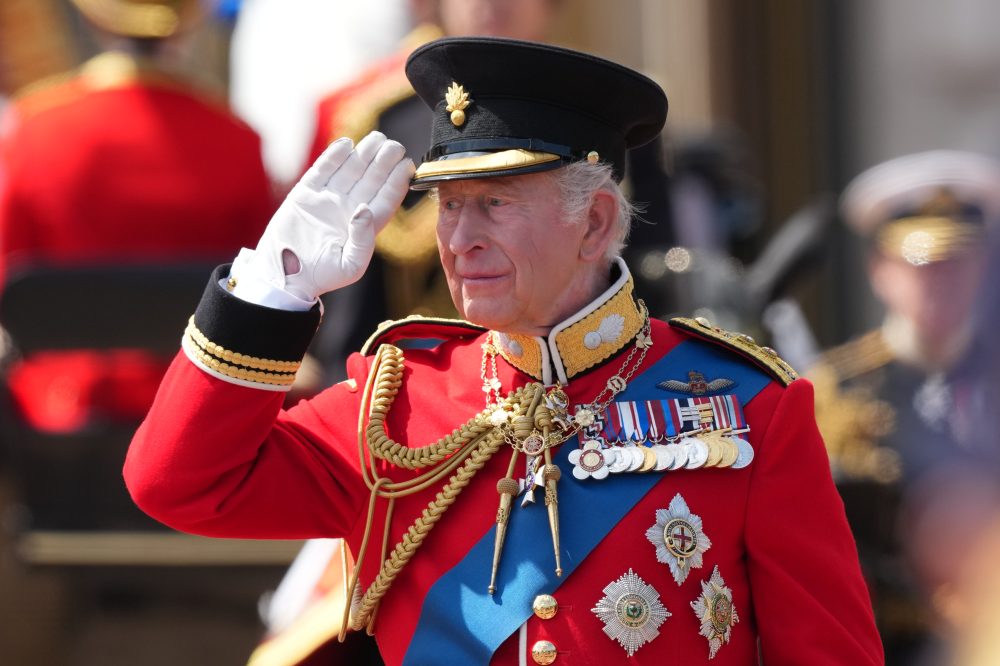

LONDON (AP) — King Charles III is poised to make history on Thursday by becoming the first British monarch to publicly disclose his personal tax bill, a move driven by mounting calls for the royal family to be more open about its finances following months of damaging headlines tied to his disgraced younger brother, the former Prince Andrew.
According to British media reports over the weekend, the information will be made public during Buckingham Palace’s yearly briefing on the sovereign grant — the system by which taxpayers finance the monarchy. Last year’s briefing produced a 159-page document detailing how the palace spent the 86.3 million pounds ($113.7 million) it received from the Treasury, which included funding for a major renovation of the palace itself.
Although Charles previously disclosed his tax payments when he held the title of Prince of Wales, this marks the first time he will do so as king, a role he assumed following the death of his mother, Queen Elizabeth II, in 2022. Prince William, who now holds the Prince of Wales title, is expected to release similar information during a separate briefing.
These disclosures come amid growing pressure from both lawmakers and the general public for more transparency about how the monarchy operates, particularly in the wake of revelations surrounding the former Prince Andrew, who was stripped of his titles in 2025.
Now going by the name Andrew Mountbatten-Windsor, the king’s younger brother is under investigation for misconduct in public office connected to his relationship with convicted sex offender Jeffrey Epstein. Mountbatten-Windsor was also compelled to vacate a large royal estate where he had been living rent-free.
The BBC reported last Saturday, citing palace sources, that the king personally chose to disclose his tax information as part of an effort to “encourage wider understanding and accountability.”
Even before the controversy surrounding Mountbatten-Windsor came to a head, Charles had already committed to reducing the size and cost of the monarchy as part of his effort to secure the future of an institution that is more than 1,000 years old, amid growing debate about the relevance of a hereditary monarchy in a modern democratic society.
The king’s personal wealth is estimated at 680 million pounds ($896 million), placing him at number 230 on the Sunday Times’ annual ranking of Britain’s wealthiest individuals.
While the monarch is not legally required to pay income tax, Charles does so voluntarily on his private earnings. This practice was started by his mother in 1993, following public anger over the cost of repairing Windsor Castle after a serious fire the year before. The arrangement was later formalized through a memorandum of understanding between the government and the crown, which gives Charles the same privacy protections as any ordinary taxpayer.
The king is expected to disclose only the taxes he pays on his private income, which is generated primarily through two privately owned estates — Balmoral in Scotland and Sandringham on England’s east coast — along with savings and investments.
Balmoral spans more than 50,000 acres (20,000 hectares) and includes the king’s summer residence, Balmoral Castle. Much of the property is accessible to visitors, who can enjoy guided tours, afternoon tea, and golf. Sandringham is a 20,000-acre (8,000-hectare) country retreat also located on England’s east coast, where the house and gardens welcome the public and much of the land is farmed by the estate or its tenants.
The king does not pay taxes on the sovereign grant or any other income used to carry out his official royal duties.
Prince William’s main source of private income is the Duchy of Cornwall, a collection of land and investments held in trust by whoever holds the Prince of Wales title. The duchy covers roughly 130,000 acres (52,000 hectares) and reported a profit of 22.9 million pounds ($30.2 million) last year. It is managed by a board of directors, and significant financial decisions require approval from the Treasury.