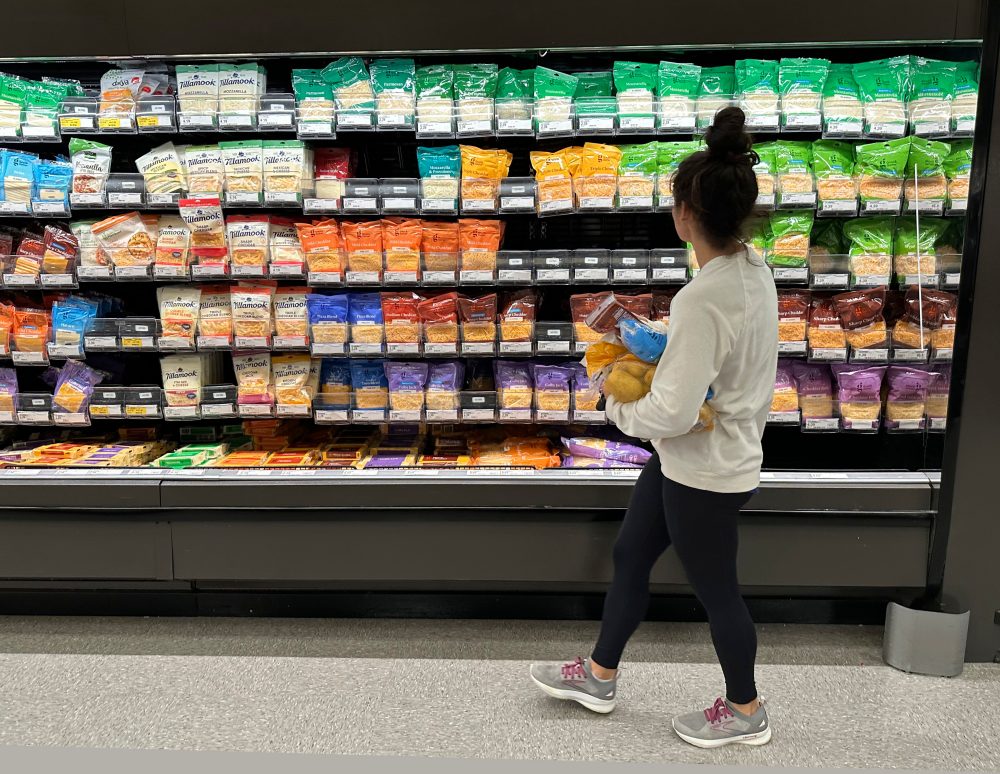

Economic pressures and rising prices dominated headlines this past week, making everyday purchases at supermarkets and fuel stations more expensive than a year ago. These increasing costs are influencing decisions made by both families and companies across the nation.
Below is an overview of significant economic developments from the past week and their potential impact on consumers.
An important inflation measurement closely watched by the Federal Reserve rose in April to its peak level in three years, putting financial strain on Americans and presenting political hurdles for President Trump and congressional Republicans as midterm elections approach in just five months.
The inflation rate climbed to 3.8% in April when compared to the same period last year, according to Thursday’s announcement from the Commerce Department. This represents an increase from March’s 3.5% and marks the highest reading since May 2023. Monthly price increases reached 0.4%, which was lower than March’s 0.7% surge but still exceeds what Federal Reserve officials fighting inflation would like to see.
Thursday’s inflation data revealed that beyond gasoline costs, prices for food items, apparel, and electricity are also climbing, indicating that inflation might be becoming more firmly established.
American consumer confidence dropped modestly this month due to persistent high fuel costs and continued elevated inflation, creating a stark difference with climbing stock markets that have approached record territory.
The Conference Board’s consumer confidence measurement fell 0.7 points to 93.1 in May, marking the first decrease following three consecutive months of improvements.
This measurement follows another consumer sentiment indicator released the previous week by the University of Michigan, which dropped to an all-time low this month. Increases in fuel prices along with higher grocery costs have intensified inflation, which has exceeded average wage growth, diminishing most Americans’ buying power. Polling data shows Americans have become more critical of President Trump’s economic strategies, potentially causing difficulties for Republicans as they head toward midterm elections.
The typical long-term U.S. home loan rate increased once more this week, hitting its peak level in nine months and creating another obstacle for potential home purchasers.
The standard 30-year fixed rate home loan climbed to 6.53% from the previous week’s 6.51%, according to Thursday’s report from mortgage purchaser Freddie Mac. Even with this recent rise, the average rate stays under the 6.89% level from one year ago.
Rising mortgage rates can increase monthly expenses for borrowers by hundreds of dollars, diminishing their ability to make purchases.
Interest rates have generally moved upward since the conflict with Iran started, interfering with oil tanker traffic carrying crude oil from the Persian Gulf to global customers. This disruption has driven oil prices significantly higher, serving as a major inflation contributor.
Additional Americans filed for unemployment assistance last week, though job losses remain minimal despite economic uncertainty stemming from the Iran conflict.
Thursday’s Labor Department data showed jobless claims increased to 215,000, rising from 210,000 in the prior week. The four-week average of claims, which reduces weekly fluctuations, climbed by almost 6,300 to 209,000.
The count of Americans applying for unemployment benefits, which serves as an indicator of job cuts, has remained steady within a low range of primarily 200,000 to 250,000 weekly since the U.S. economy recovered from a short but severe pandemic-related recession in 2020.
The overall count of individuals receiving unemployment assistance increased by 15,000 to 1.79 million during the week ending May 16.
The consistently low claim numbers indicate that most American businesses have avoided implementing layoffs. However, while companies aren’t eliminating positions, they also haven’t been creating many new ones. During the past year, corporations, nonprofit organizations, and government entities added under 10,000 positions monthly, representing the weakest job creation outside of recession periods since 2002.
Wall Street stocks gained ground Friday, building upon the record highs established the day before.
The S&P 500 posted modest gains. The benchmark is following six consecutive increases and appears set for a ninth straight winning week, which would represent the longest such run since 2023.
All major indexes are positioned for record levels and strong May finishes, despite concerns about the U.S. conflict with Iran and its inflationary effects.
European and Asian markets generally posted gains as well.