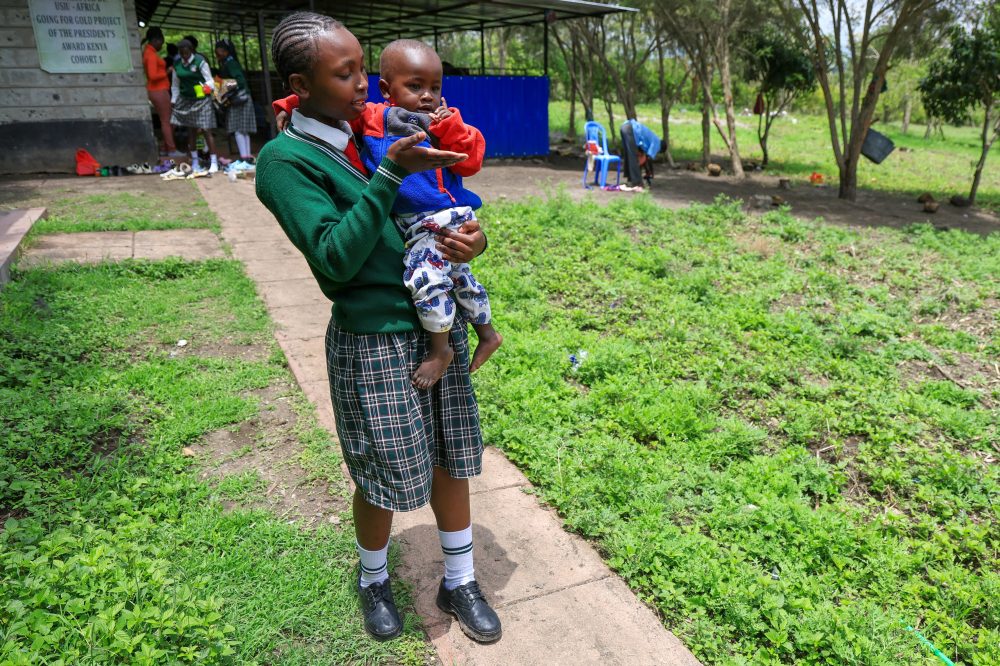

KAJIADO, Kenya — During her school break, 19-year-old Valerie Wairimu doesn’t have a moment to spare. She quickly grabs something to eat before heading to the on-campus nursery that sets Kenya’s Greenland Girls School apart from any other educational institution in the country.
At the nursery, a group of caregivers hand over her baby son Kayden, allowing Wairimu to nurse him before returning to her afternoon classes.
Greenland Girls School stands as Kenya’s sole educational facility specifically designed for teenage mothers, providing care for their children while the young women pursue their studies. The institution serves 310 students and more than 80 children ranging from newborns to toddlers, offering these families an opportunity to continue their education in an environment free from judgment — something education specialists view as an exemplary approach to bringing young mothers back into the classroom.
“When I found that I was pregnant, I didn’t have anywhere else to go,” said Wairimu, who has placed near the top of her class in exams at Greenland and hopes to become a doctor.
Established in 2015 as a residential facility, the institution has successfully guided hundreds of young women through their secondary education while providing support for their children. Many graduates have advanced to prominent careers in fields such as government service and healthcare.
The nonprofit organization Shining Hope for Communities operates the facility, with numerous students receiving financial assistance through scholarship programs.
Most enrolled students originate from Kajiado County, located south of Nairobi, where the school maintains a team of community outreach workers who identify and refer expectant mothers to the program.
The institution has also established connections with social service agencies and educators throughout Kenya, including remote western regions like Wairimu’s hometown. Coming from a household led by a single father with a younger sibling, she lacked the resources to support a newborn. Her grandmother learned about the school and arranged for Wairimu’s enrollment.
A significant portion of the student body comes from challenging circumstances, with some pregnancies resulting from sexual violence or arranged marriages.
According to Paul Mukilya, the school’s administrative manager, families frequently withhold support, leaving outreach staff to negotiate with local community leaders for permission to enroll students.
“Some of the challenges which the students encounter are the family and the community. Most of them have failed to accept them the way they are,” Mukilya said. “When they come here, we take them through psychological counseling and mentorship.”
Kenyan law prohibits sexual activity involving anyone under 18, though the legal framework only holds males criminally responsible. Underage pregnancies frequently result in court proceedings, and Greenland assists its students while coordinating with law enforcement, particularly in situations involving child marriage.
During classroom hours, the school’s staff assumes responsibility for childcare while providing guidance and support to the young mothers.
“Some of the mothers view their children as a burden,” said Caroline Mumbai, a caregiver at Greenland who has two children of her own. “So we also teach them how to mother.”
Ensuring educational access for teenage mothers presents a significant challenge in Kenya, particularly as the nation grapples with a rapidly expanding youth demographic. Government statistics indicate that more than 125,000 babies born in 2024 were delivered by mothers under 19 years old.
Research conducted by the Population Council, a health and development organization, revealed in 2015 that two-thirds of teenage mothers identified pregnancy as their primary reason for leaving school. More recent 2022 findings by research group IDinsight showed that unplanned pregnancy ranked as the second-leading factor preventing girls from returning to education, surpassed only by financial constraints.
To address growing demand from Kenya’s coastal areas, Greenland Girls School plans to launch a second location in Kilifi County.
“Every girl who gets pregnant and drops out during their school time must be allowed reentry,” said Dr. Githinji Gitahi, chief executive of development agency Amref Health Africa. “Special schools are important in supplementing the general scalable policy framework. We should focus on these schools that are helping to close the equity gap.”
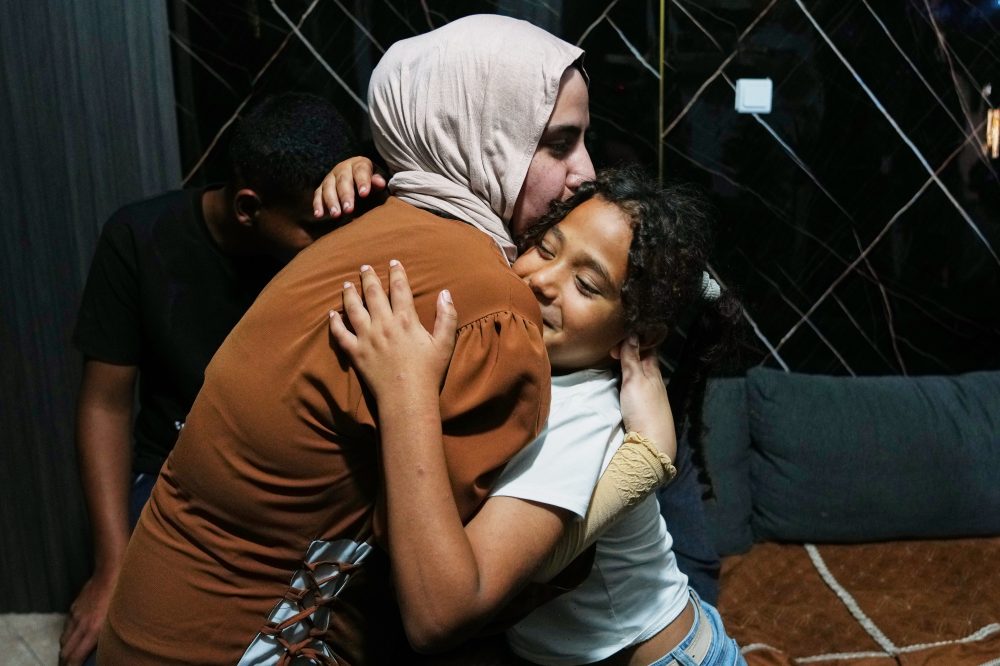
Students at Greenland express gratitude for an atmosphere that eliminates social stigma and promotes academic achievement.
“People used to judge me because I got pregnant,” said Mary Wanjiku, 20, whose son is almost 18 months old. She now hopes to become a lawyer.
“The moment I came here, I was received with love,” she said.