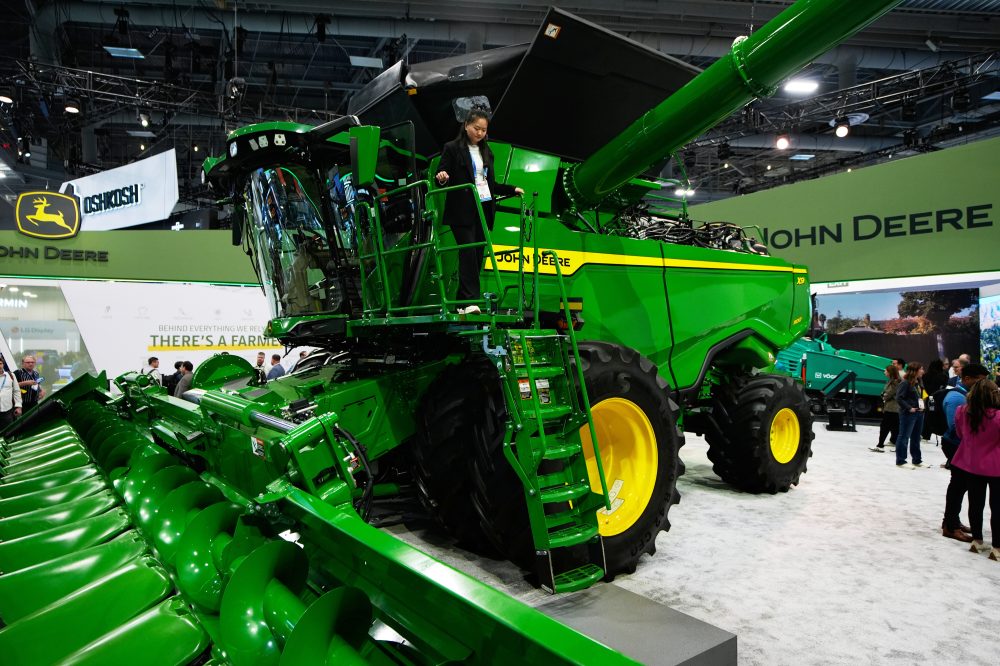

Farm equipment manufacturer John Deere has reached a $99 million settlement agreement to resolve allegations that the company created a monopoly over repair services for its agricultural machinery.
The Illinois-based corporation faced accusations in a 2022 class action lawsuit claiming it deliberately restricted access to repair software and worked with authorized service centers to prevent farmers from conducting their own equipment maintenance or seeking independent repair options.
According to legal documents, farmers alleged this practice allowed John Deere and its dealer network to impose inflated pricing in a market where competition was artificially limited.
While continuing to reject any admission of guilt, the company stated it reached the settlement agreement to focus on customer service priorities. “To move forward and remain focused on what matters most — serving our customers,” explained Denver Caldwell, the company’s vice president of aftermarket and customer support.
The settlement funds will be distributed to farmers who paid John Deere or its authorized service providers for large agricultural equipment repairs from January 10, 2018, through the preliminary approval date. Court approval is still required before the agreement becomes final.
Additionally, John Deere committed to expanding access to repair resources and diagnostic tools as part of the settlement terms.
This resolution doesn’t end the company’s legal challenges, as the Federal Trade Commission filed a separate lawsuit in January 2025, alleging unfair business practices that increased repair costs while limiting farmers’ ability to perform timely equipment fixes. John Deere dismissed those federal claims as unfounded.
The dispute reflects a broader movement across multiple industries where consumers and workers are demanding greater access to repair their own products. From smartphones to gaming systems, manufacturers have faced criticism for restricting repair tools and creating software barriers that force customers to use company-authorized service providers, potentially stifling independent repair businesses. Several state legislatures have considered measures to address these concerns.