
TEL AVIV, Israel (AP) — Religious worshippers returned to Jerusalem’s sacred sites on Thursday following Israel’s decision to remove gathering restrictions that had been in place for almost six weeks during the conflict with Iran.
Jerusalem police announced Wednesday their plan to remove all limitations at religious locations while deploying hundreds of officers and volunteers throughout the city.
During the recently paused conflict, when Iranian missile strikes frequently forced Jerusalem residents to seek shelter, access to Christian, Jewish, and Muslim sacred locations had been either completely banned or limited to small groups of several dozen people.
The limitations significantly impacted Lent, Passover, and Ramadan observances for many believers at some of the most sacred locations for Christianity, Islam, and Judaism.
According to Jerusalem’s Islamic Waqf, the Jordanian religious authority overseeing the site, the Al-Aqsa Mosque compound reopened for dawn prayers Thursday after being shuttered for most of Ramadan and the Eid al-Fitr celebration. At the nearby Western Wall in the Old City — Judaism’s most sacred prayer location worldwide — numerous men and women were observed in prayer.
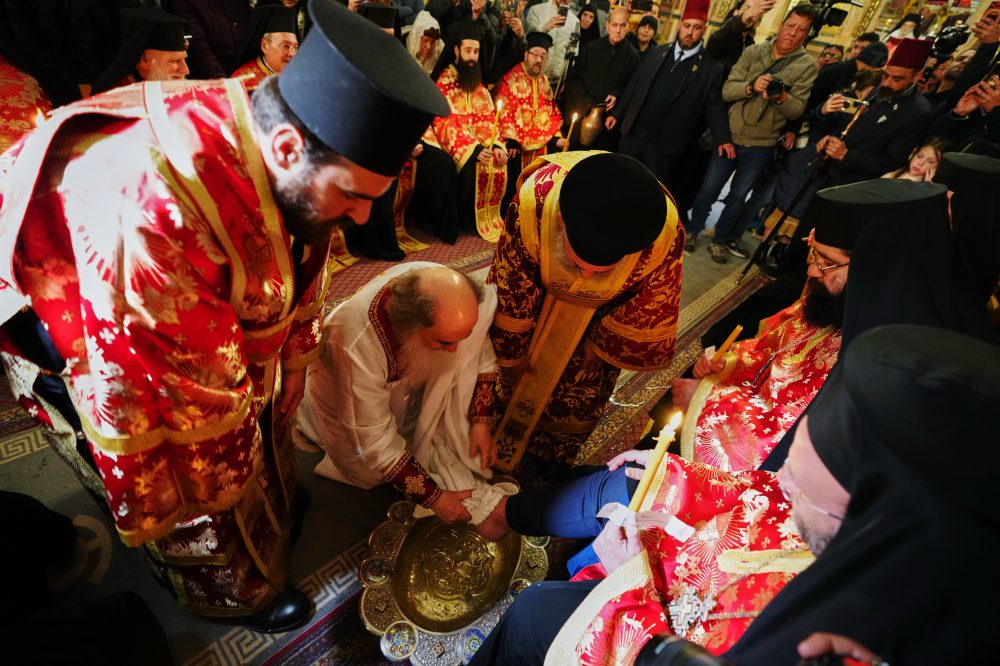
The timing of the restriction removal benefits Orthodox Christians, who will celebrate Easter this Sunday, one week following Catholic and Protestant celebrations and ahead of the ancient Holy Fire ceremony tradition.
This Saturday, thousands of Christians will assemble in the vast Church of the Holy Sepulchre carrying unlighted candles as they fill the expansive 12th-century basilica constructed where Jesus was traditionally crucified and entombed. The Greek patriarch will ignite candles, with the flame then spreading from candle to candle.
Last month, the restrictions created controversy when Israeli police blocked Catholic leaders from entering the Church of the Holy Sepulchre for a private Palm Sunday Mass — the first such prevention in centuries. This action prompted widespread criticism from the United States and other nations.
Israeli Prime Minister Benjamin Netanyahu stated there was no “malicious intent” and explained that Cardinal Pierbattista Pizzaballa was denied church access due to safety considerations. He was subsequently permitted entry on Easter Sunday.
Thursday brought celebration among worshippers entering Al-Aqsa for the first time in weeks.
“It is as if human beings are reborn,” said Mohammed Al-Qassas. Being unable to pray during this period is like “feeling hungry all the time,” he said.
“It’s impossible to describe this feeling … It was one of the most happiest moments in my life,” said Biljana Vaslic, a tourist from Serbia who, until now, hadn’t been able to enter the church.
However, some criticized Israel for exploiting the war to limit access. “This is a grace from God after 40 days of using the war as a pretext, but God has granted steadfastness in this mosque,” said Omar al-Kiswani, director of the mosque.
Prior to the war, heightened restrictions on Al-Aqsa access were already in effect.
During early February Friday Ramadan prayers, Israel limited West Bank Palestinians entering to 10,000 people, permitting only men over 55, women over 50, and children up to 12. Similar past restrictions have been implemented citing security reasons.