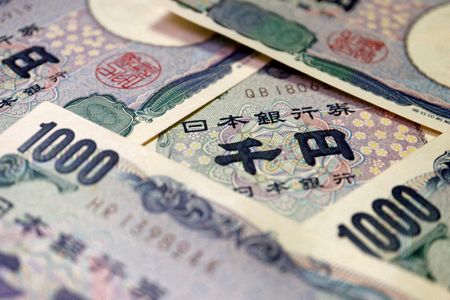

Japan’s currency weakened significantly on Wednesday, hovering near its lowest point in two weeks after news emerged that Prime Minister Sanae Takaichi had expressed opposition to future interest rate increases during discussions with central bank leadership.
The yen declined 0.8% overnight, reaching as low as 156.28 against the dollar before recovering slightly to 155.88. This weakness followed a Mainichi newspaper report citing unnamed sources who said Takaichi had shared her concerns about additional rate hikes with Bank of Japan Governor Kazuo Ueda during their recent meeting.
The reported disagreement suggests growing tension over monetary policy direction, potentially complicating the central bank’s plans for gradual rate increases. Market analysts worry this could signal Takaichi’s preference for maintaining an overheated economy through low rates and increased government spending.
“Her ‘tougher stance’ was a surprise and adds to concerns about FX weakness and policy shifts being market-unfriendly,” said Bob Savage, head of markets macro strategy at BNY.
Savage added that “Intervention in tandem with the U.S. remains a brake against the 160 mark for JPY and against greater volatility.”
Adding to currency market complexity, the Nikkei newspaper reported Tuesday that the United States had initiated so-called “rate checks” in January to support the yen, raising questions about Japan’s commitment to defending its currency independently.
Japan’s currency has experienced years of decline due to the country’s low interest rate environment, with additional pressure mounting since Takaichi assumed power in October amid concerns about further budget strain.
In contrast, Australia’s dollar gained 0.3% to $0.7074 following inflation data that increased expectations for potential rate hikes, making it the session’s strongest performer.
Other major currencies showed minimal movement, with the euro holding steady at $1.1776 and the British pound remaining at $1.35. The New Zealand dollar edged up slightly to $0.5971.
China’s yuan maintained its strong position after posting its largest single-day gain in nine months on Tuesday, rising 0.35%. The currency reached 6.8766 against the dollar, its highest level in nearly three years, before settling at 6.8778 in offshore trading.
Market observers suggest the U.S. Supreme Court’s decision to overturn many of President Trump’s heaviest tariffs could lead to lower overall rates on Chinese imports, potentially supporting further yuan strength.
Goldman Sachs analysts noted that “The fundamental underpinnings for our CNY appreciation view – a starting point of deep currency undervaluation and the remarkable strength of the export sector – remain very much in place.”
They added, “While uncertainties remain, we believe the likelihood of President Trump imposing additional Section 301 tariffs on Chinese products is low ahead of his planned visit to China at the end of March.”
The yuan has strengthened nearly 7% over the past ten months, reflecting China’s robust export performance and what analysts consider previous undervaluation.
Traders remained attentive to President Trump’s upcoming State of the Union address, which occurred during Asian morning hours and could influence market sentiment moving forward.