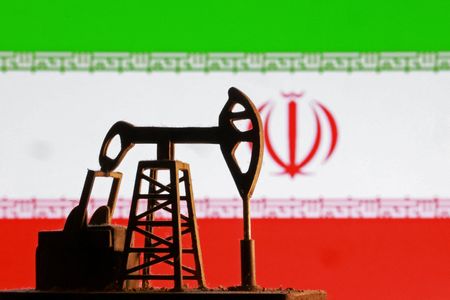

Crude oil markets are maintaining elevated levels close to seven-month peaks as concerns mount over potential supply disruptions stemming from rising tensions between the United States and Iran, with diplomatic negotiations scheduled for Thursday.
As of early Wednesday trading, Brent crude was selling at $71.22 per barrel, representing a 45-cent increase or 0.64% gain. West Texas Intermediate futures climbed 42 cents to $66.05, also up 0.64%.
Both oil benchmarks reached their strongest positions since late July and early August respectively on recent trading days, maintaining momentum as Washington has deployed military assets throughout the Middle East region to pressure Tehran into negotiations regarding its nuclear weapons and missile development programs.
Any prolonged military confrontation could threaten oil shipments from Iran, which ranks as the third-largest crude producer within the Organization of the Petroleum Exporting Countries, along with other nations across the strategically important Middle Eastern production zone.
American negotiators Steve Witkoff and Jared Kushner are scheduled to conduct a third round of discussions with Iranian representatives Thursday in Geneva.
Iran’s Foreign Minister Abbas Araqchi stated Tuesday that an agreement with the United States was “within reach, but only if diplomacy is given priority.”
Market analyst Tony Sycamore from IG noted in his research that “President Trump has warned that without a deal, there will be ‘very bad consequences’. Whether Iran’s concessions will meet the U.S.’s ‘zero enrichment’ red line remains to be seen.”
Sources report that amid escalating tensions, Iran and China have intensified discussions about purchasing Chinese anti-ship cruise missiles, which could potentially target American naval forces currently stationed near Iranian waters.
Defense experts indicate these anti-ship cruise missiles would strengthen Iran’s offensive capabilities and pose risks to U.S. naval operations in the region.
President Trump is expected to address his Iran strategy during Tuesday evening’s State of the Union speech to Congress, according to two unnamed White House officials, though specific details were not provided.
While geopolitical concerns have boosted oil prices, traders are also monitoring potential oversupply issues as global production continues outpacing consumption.
Industry sources revealed that the American Petroleum Institute reported Tuesday evening a substantial 11.43 million barrel increase in U.S. oil reserves for the week ending February 20.
However, the same API data showed decreases in both gasoline and distillate fuel inventories, according to the sources.
The Energy Information Administration is expected to release official U.S. inventory figures later Wednesday.