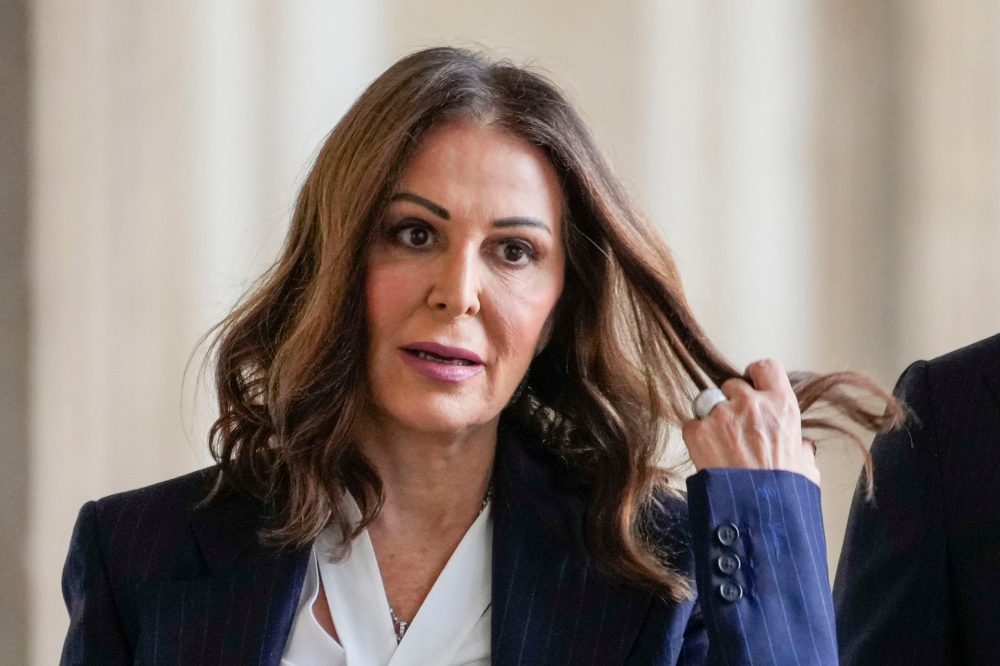

MILAN (AP) — Wednesday marked the resignation of Italy’s tourism minister following mounting pressure from Prime Minister Giorgia Meloni after voters decisively rejected her judicial reform proposal.
Daniela Santanchè’s exit signals potential weakness within Italy’s right-wing administration, which has held power for three and a half years, after Monday’s referendum results delivered a crushing blow to a cornerstone policy initiative.
Following the departure of two justice ministry officials in response to the overwhelming voter rejection, Meloni had pressed for Santanchè’s resignation. The prime minister issued a Tuesday statement expressing hope that Santanchè would step down “in the same spirit of institutional sensitivity.”
A prominent figure within Meloni’s Brothers of Italy party, Santanchè has faced political challenges due to ongoing legal proceedings and investigations, including charges related to fraudulent accounting and alleged fraud schemes. She maintains her innocence regarding all accusations.
Although her legal troubles persisted, Santanchè weathered a 2023 no-confidence vote and maintained Meloni’s backing until recently.
In her resignation letter to Meloni, Santanchè stated she would “obey” the prime minister’s request while referencing a tense Tuesday exchange following the resignation demand. She rejected being labeled “a scapegoat” for the referendum failure, noting the measure succeeded in her home region of Lombardy and local district.
“I won’t hide from you a degree of bitterness over how my ministerial journey has ended, but in my life I am accustomed to paying my own debts — and often those of others,” Santanchè wrote.
Meloni’s coalition had promoted the judicial reforms as essential progress toward modernizing Italy’s court system, which faces criticism for delays, excessive bureaucracy, and susceptibility to political manipulation.
However, opponents contended the proposed changes would dangerously consolidate executive power. Opposition groups, civic organizations, and legal professionals formed a coalition opposing the reform, arguing it threatened institutional oversight mechanisms.
The referendum’s failure following a campaign so closely linked to Meloni’s authority has sparked concerns about her governing coalition’s unity and long-term viability.