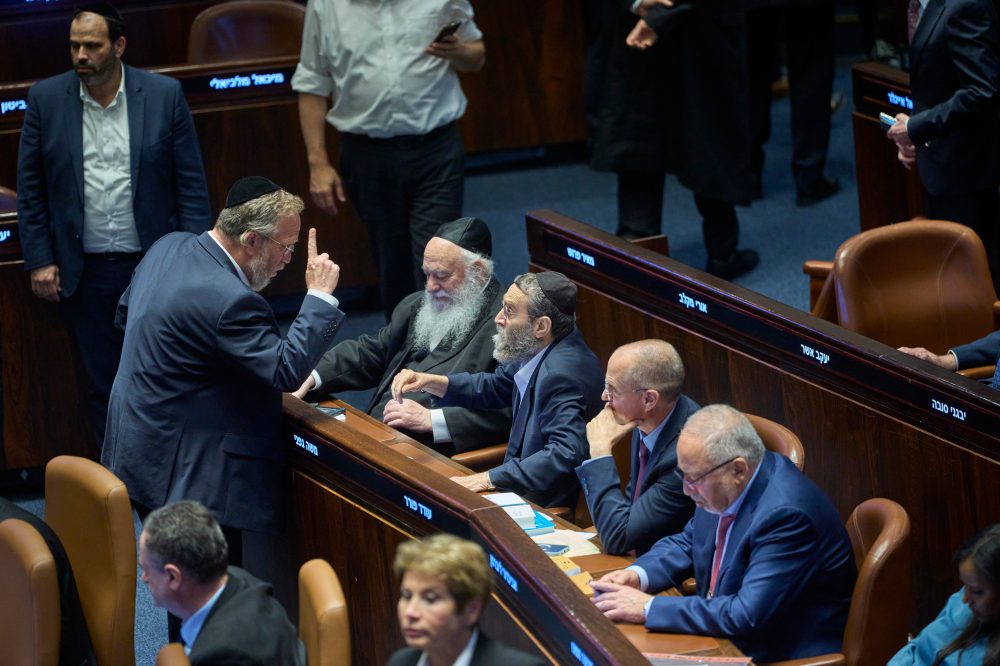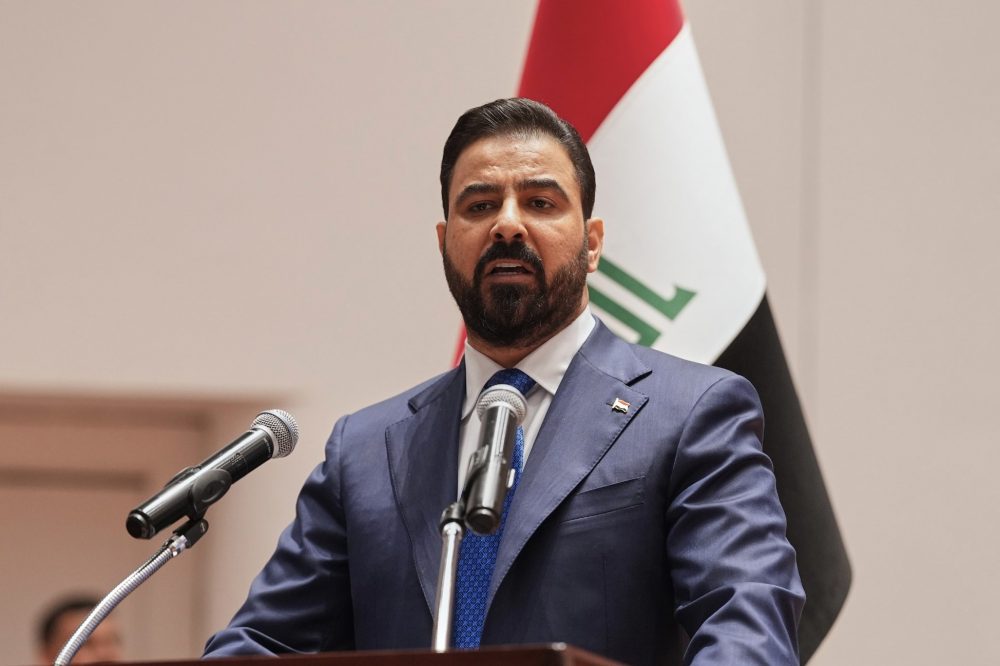

Iraq’s legislative body confirmed 14 cabinet members out of 23 proposed positions on Thursday for Prime Minister-designate Ali al-Zaidi’s administration, while encountering obstacles with several key ministerial nominations.
Among the 270 legislators present for the vote, approval was granted for 14 positions in the proposed cabinet. The majority of confirmed ministers are new to government roles, though foreign minister Fuad Hussein kept his current position.
Three candidates for interior minister, higher education minister and planning minister positions were rejected by parliamentary vote. Decisions on additional roles including defense, labor, housing and reconstruction, and education ministers were delayed indefinitely.
Political gridlock frequently characterizes Iraqi governance, often resulting in extended periods without functioning leadership.
A power-sharing system divides ministerial positions among political groups, with the leading parliamentary coalition – the Coordination Framework, consisting of Shiite parties with Iranian ties – selecting 12 ministers. Sunni factions choose six positions, Kurdish groups pick four, and religious minorities select one.
The incoming administration must address political and economic consequences from the U.S.-Israeli conflict with Iran, which affected Iraq while Strait of Hormuz restrictions have interrupted oil shipments that support Iraq’s financial system.
Legislative approval was given to a government agenda focusing on enhanced public services, resolving electricity shortages, and maintaining economic stability, alongside anti-corruption efforts, administrative reform, and judicial system strengthening.
The approved plan contains measures for limiting weapons to state control, though practical implementation may prove challenging.
Several Iran-supported armed groups operate within Iraq, and these organizations repeatedly targeted U.S. military installations and diplomatic compounds during the recent U.S.-Israeli conflict with Iran. Washington has pressured Baghdad to restrain these armed organizations, while Tehran likely opposes their disarmament.
Two Coordination Framework representatives, speaking anonymously due to lack of authorization, revealed that Quds Force commander Esmail Qaani from Iran’s Islamic Revolutionary Guard Corps directed multiple Shiite political and militia leaders to avoid disarmament actions currently, postponing the matter pending clarity on U.S.-Iran diplomatic talks.
These sources indicated Qaani also recommended delaying votes on ministry positions connected to political groups with armed affiliates.
Al-Zaidi, a business leader without political experience, became the agreed-upon prime ministerial choice following extensive discussions within Coordination Framework member parties seeking a compromise leader for the next government. Both U.S. and Iranian officials endorsed his selection. Iraq maintains significant relationships with both competing nations and has historically balanced between their interests.
U.S. envoy to Iraq Tom Barrack congratulated al-Zaidi on government formation through a social media post, stating: “We are encouraged by your fresh leadership and look forward to collaborating on a bold new agenda aligned with our shared interests.”
Iran’s Foreign Minister Abbas Araghchi offered congratulations to al-Zaidi in his own message and also praised Iraqi Foreign Minister Fuad Hussein on his reappointment.
“Expanding friendly and brotherly relations between Tehran and Baghdad remains, at all times, a top priority of our foreign policy,” he stated.