
DUBAI, United Arab Emirates — Floating naval mines threatening oil vessels in the Persian Gulf. Iranian patrol boats spraying ships with automatic weapons fire in the Strait of Hormuz. The United States caught in the crossfire.
These scenes aren’t from today’s tense standoff between Iran and America, currently on hold due to an unstable ceasefire. Rather, they describe the “Tanker War” of the 1980s, when Iran attacked commercial shipping during its conflict with Iraq, prompting American warships to provide protection for Kuwaiti oil vessels to maintain global crude supplies.
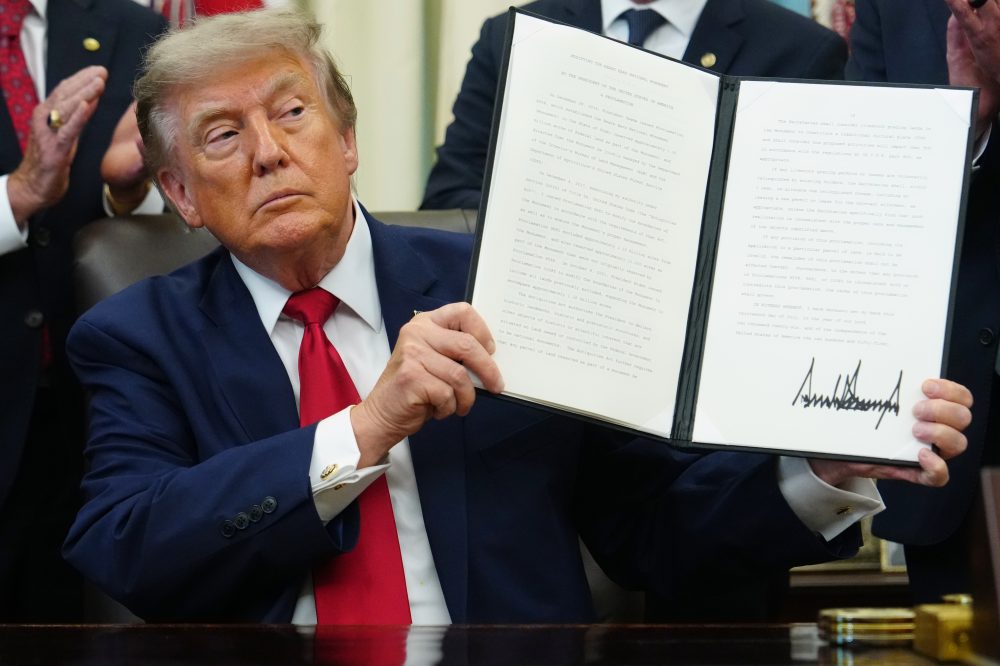
America might consider adopting a similar approach today and take more forceful action to safeguard vessels traveling through the waterway, which handles 20% of global oil and natural gas shipments during normal times. The military provided limited ship protection in the Red Sea recently for vessels under attack, and President Donald Trump announced this week he has directed American forces to “shoot and kill” Iranian small craft.
However, implementing escort operations in the Strait of Hormuz would present significant challenges. Military capabilities have evolved dramatically since the “Tanker War.” America lacks the same focused, specific objectives it maintained during the 1980s conflict. Additionally, international shipping companies might not trust American naval protection given the U.S. is now directly involved in combat.
The American Navy has extensive experience dealing with small vessel strategies employed by Iran’s paramilitary Revolutionary Guard, which has adapted to international economic restrictions limiting access to military ships by converting smaller civilian craft for warfare.
The Guard has spent years using boats comparable in size to small fishing vessels to track American aircraft carriers transiting the strait. Rather than carrying fishing equipment, these craft typically mount Soviet-era heavy machine guns on their front sections along with small rocket systems on top.
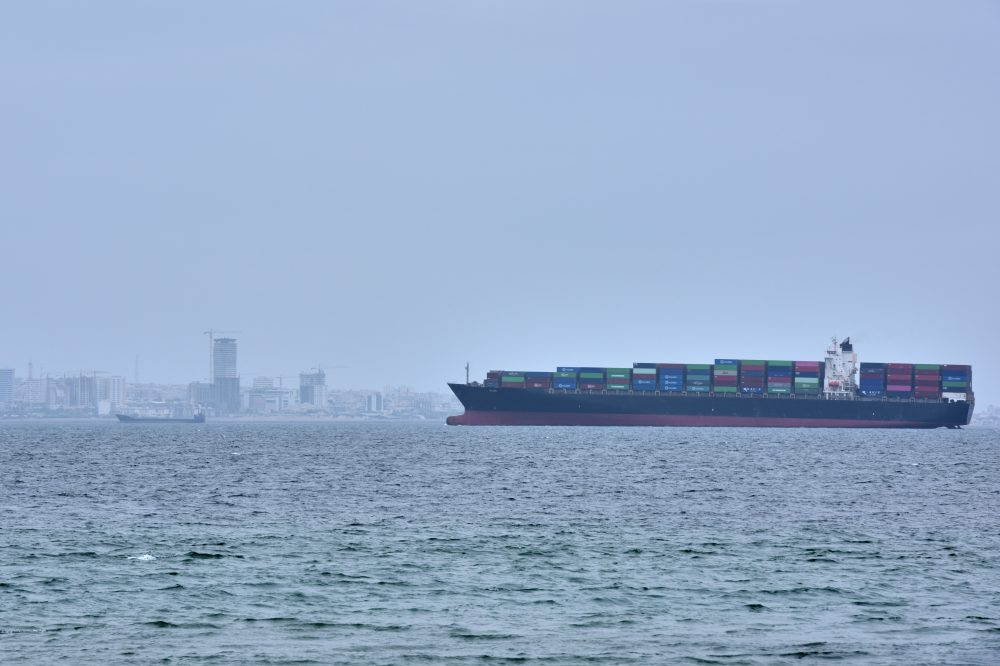
Iran captured two commercial ships this week using these small boats. Guard footage showed their personnel on patrol craft that appeared tiny next to the enormous container vessels. Guard members fired weapons at the cargo ships before boarding them while carrying automatic rifles.
Apart from their publicity impact, these captures demonstrated that nearly two months into hostilities with America and Israel, despite an American naval blockade of Iranian shores, the Guard can utilize minimal resources to effectively close the strait and threaten the global economy.
The “Tanker War” emerged from the brutal eight-year conflict between Iraq and Iran during the 1980s.
Iraq initially struck Iranian oil facilities and tankers in the Persian Gulf. Iran eventually launched its own systematic campaign against regional shipping, including deploying mines.
Iraq would ultimately strike more than 280 ships compared to Iran’s 168, according to the U.S. Naval Institute. However, Iran’s mine deployment created widespread chaos in the area.
America, which backed Iraqi leader Saddam Hussein with intelligence, weapons and other support, initiated “Operation Earnest Will” and began protecting Kuwaiti oil tankers that were redesignated under American flags.
The mission carried significant risks. The Kuwaiti supertanker Bridgeton hit a mine while under American protection at the operation’s beginning. An Iraqi missile attack on the USS Stark resulted in 37 sailor deaths, while an Iranian mine strike injured 10 aboard the USS Samuel B. Roberts. America also mistakenly identified a passenger aircraft as a military jet and destroyed it, killing all 290 passengers and crew on Iran Air flight 655.
Despite these difficulties, the “Tanker War” operation achieved success as Navy vessels escorted approximately 70 convoys through the region.
Repeating such success today would prove extremely challenging.
America would need to ensure it could establish a protective barrier that Iran couldn’t breach — a demanding task since even a single Iranian missile, drone or boat attack would restore the anxiety currently affecting the strait.
“I think even if you compare it with the ‘Tanker War,’ I think just in terms of the way military technology has evolved, especially on that asymmetrical side, it’s much more difficult to secure a waterway now than it was then,” said Torbjorn Soltvedt, an analyst with risk intelligence company Verisk Maplecroft.
“Unless there is some sort of agreement or unless the U.S. can significantly curb Iran’s ability to launch fast boats, to launch drones, to launch short-range missiles, then this problem just remains unresolved.”
This explains why European nations, despite Trump administration pressure, have stated they won’t participate in ship escort missions until hostilities end.
The Reagan administration also maintained more limited, defined objectives in its Cold War operation, such as keeping the strait open, according to Tom Duffy, a former U.S. diplomat and naval officer.
“In contrast, the American goals (now) have been sort of a kaleidoscope of regime change to all sorts of very maximalist goals,” said Duffy, who recently published a book called “Tanker War in the Gulf.”
Recently, the American Navy provided limited protection for ships traveling through the Red Sea passage to shield them from attacks by Yemen’s Iranian-supported Houthi rebels. However, the Navy concentrated on American-flagged vessels or those transporting supplies for the U.S. government.
During those missions, the Navy encountered its most severe maritime combat since World War II. Using military force to secure safe passage through the Strait of Hormuz could result in similarly fierce fighting.
Duffy observed that it remains unclear whether the Trump administration even desires such a confrontation.
“There’s a White House statement this week in which we said that the ceasefire is not in jeopardy because they aren’t attacking U.S. and Israeli ships. That’s a fundamental shift,” he said. “That goes past centuries of U.S. practice and statements about the needs for freedom of the sea.”