
KOYA, Iraq (AP) — A bitter public dispute has erupted between Iran’s crown prince in exile and Kurdish opposition organizations, exposing deep fractures within the Iranian resistance movement.
These divisions have become apparent following widespread anti-government demonstrations and violent government suppression, occurring as Iran potentially faces military conflict if nuclear negotiations with the United States collapse.
Five Kurdish organizations declared the establishment of the Coalition of Political Forces of Iranian Kurdistan on Sunday. Their statement outlined goals to “struggle for the overthrow of the Islamic Republic of Iran, to achieve the Kurdish people’s right to self-determination, and to establish a national and democratic entity based on the political will of the Kurdish nation in Iranian Kurdistan.”
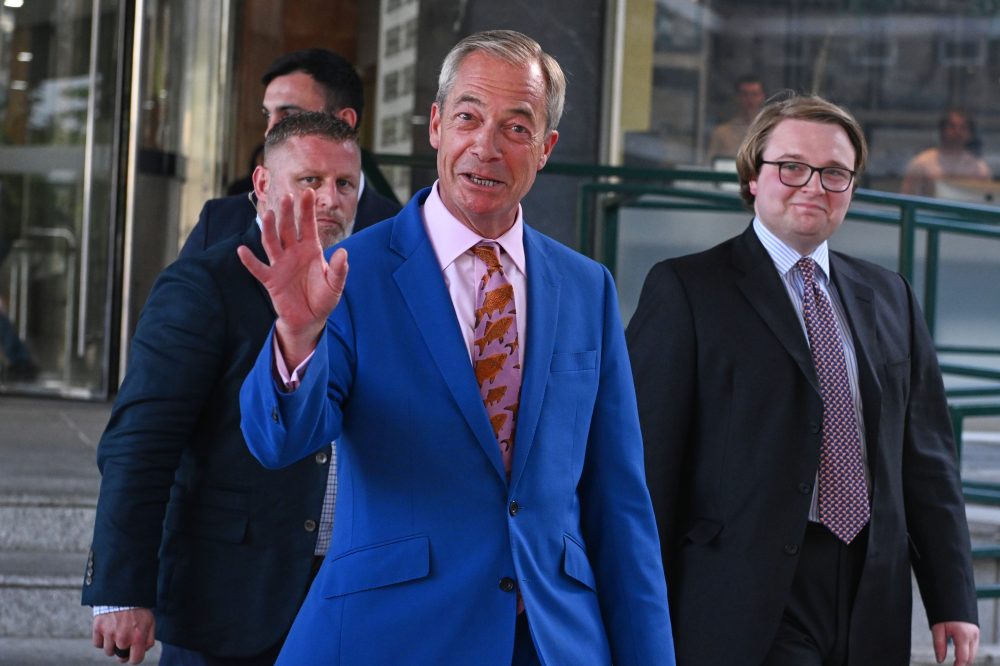
Crown Prince Reza Pahlavi, who has lived in exile for almost five decades while positioning himself for potential leadership should Iran’s religious government collapse, sharply criticized the Kurdish declaration.
Although both sides seek to remove Iran’s current leadership, deep animosity exists between Pahlavi and Kurdish factions. Under his father Shah Mohammad Reza Pahlavi’s reign, Kurdish populations faced marginalization and oppression. Meanwhile, Pahlavi’s camp has consistently accused Kurdish organizations of seeking to fragment Iran.
Following the Kurdish alliance announcement, Pahlavi posted on X: “In recent days, several separatist groups — some of whose records include collaboration with both Khomeini and Saddam — have made baseless and contemptible claims against the territorial integrity and national unity of Iran.” His reference targeted Islamic Republic founder Ayatollah Ruhollah Khomenei and deceased Iraqi leader Saddam Hussein.
Pahlavi emphasized that “Iran’s territorial integrity is the ultimate red line.”
The Kurdish alliance responded by labeling Pahlavi’s remarks “hysterical and hateful,” describing his family’s rule as characterized by the “massacre of civilians and suppression of democratic freedoms of the Iranian people, especially the oppressed nations of this country.”
“Why do they think that people oppressed by the dictatorship of the Islamic Republic are willing to bow to him and other like-minded people as part of the alternative for the future Iran?” the coalition questioned.
Following Iran’s 1979 Islamic Revolution, the new theocratic government fought Kurdish rebels. Iranian military forces devastated Kurdish communities during months of conflict that claimed thousands of lives.
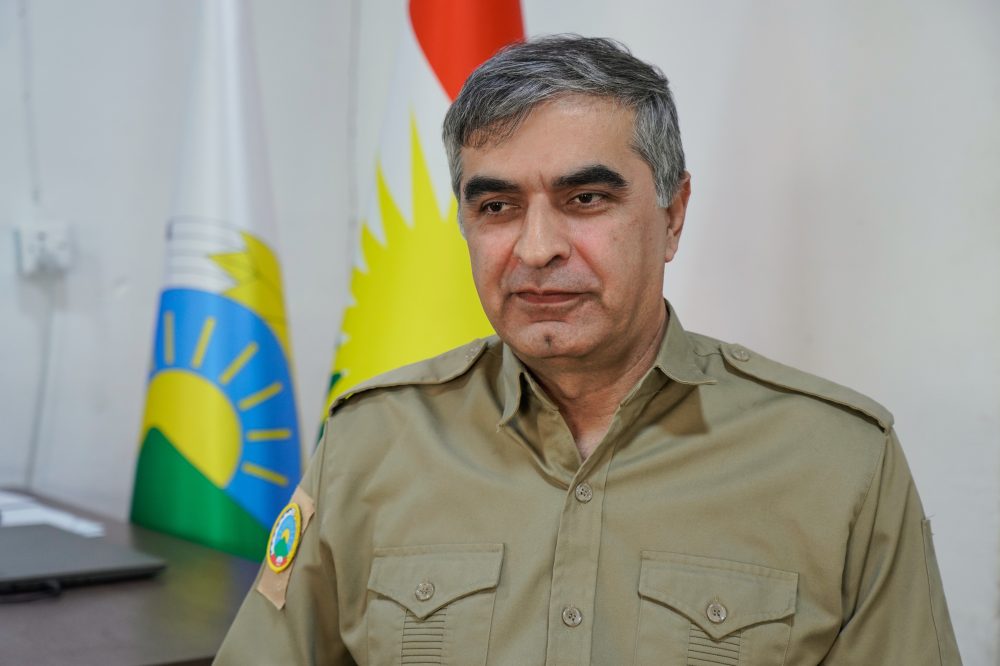
“We have been through ethnic cleansing and persecution and dictatorship (both) under the Pahlavi regime and under the Islamic Republic,” stated Karim Parwizi, a senior Kurdistan Democratic Party of Iran official and member of the new coalition.
Speaking with The Associated Press at their northern Iraq camp on Thursday, Parwizi warned about Pahlavi’s potential return to power.
“There’s a threat of fascism returning to Iran, and we’re thinking about how to prevent that from happening,” he said.
Multiple Iranian Kurdish opposition and separatist organizations, including some with military components, have established bases in northern Iraq’s autonomous Kurdish territory.
The Kurdistan Freedom Party (PAK) has openly acknowledged conducting attacks against Iran’s Revolutionary Guard forces in response to Tehran’s harsh protest suppression last month.
Parwizi clarified that the new coalition hasn’t decided on launching military operations within Iran, stating their armed components serve defensive purposes only.
He also rejected claims that the alliance seeks Kurdish independence.
“Every ethnic group should have their land, but we haven’t requested this and we haven’t requested to divide Iran,” Parwizi explained. “We need to work with other ethnic groups to make sure that there will be a place for all of us in the new Iran.”
While measuring Pahlavi’s domestic Iranian support proves challenging, significant protests occurred in early January after he urged public demonstrations, and recent student protest videos captured chants supporting him.
Iran specialist Mehrzad Boroujerdi from Missouri University of Science and Technology described the public conflict between Pahlavi and Kurdish groups as damaging to opposition unity efforts.
“With his open denunciation of these Kurdish groups, I think (Pahlavi) is shooting himself in the foot in that sense, because the Kurds are going to be really an integral part of any serious opposition,” Boroujerdi explained.
He noted that perceptions of Pahlavi’s inability to unite opposition factions have already undermined his Washington support efforts.
“President (Donald) Trump, for example, was not willing to personally meet with him and sort of validate his campaign because of serious concerns that, this guy, if he is not able to unify the opposition now before there is a regime collapse, how is he going to do that after the fact?” Boroujerdi said.
The Kurdish organizations maintain independent Washington connections and advocacy efforts. Parwizi confirmed communications with the State Department and congressional members for political backing while denying any U.S. financial assistance.