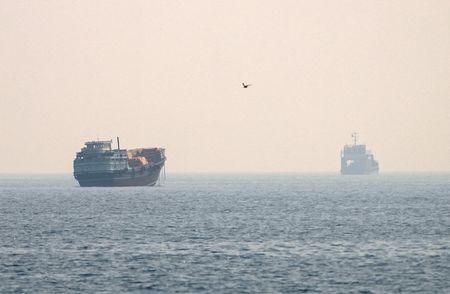

Shipping data revealed a noticeable uptick in vessel traffic through the Strait of Hormuz on Tuesday, with the majority of those ships connected to Iranian trade — all moving through before a U.S. naval blockade went into effect the following day.
On Tuesday, President Donald Trump reinstated a naval blockade on all Iranian ports and warned that power plants and bridges could be targeted as early as next week if Iran does not return to the negotiating table. The move marks another significant escalation in the ongoing conflict between the United States and Iran.
According to ship-tracking data from Kpler, nine of the 11 vessels that moved through the strait on Tuesday traveled along the Iranian route. Among those were three empty oil tankers — one Aframax-class ship and two Very Large Crude Carriers — that entered the waterway.
Ships leaving the strait carrying Iranian exports included one Very Large Crude Carrier loaded with 2 million barrels of crude oil, a medium-range tanker transporting refined petroleum products, and two tankers hauling liquefied petroleum gas. A methanol tanker and a dry bulk vessel carrying iron ore also exited the Gulf that day, the data showed.
No tanker traffic was recorded entering or leaving the strait to load oil and gas from other Gulf-region producers on Tuesday.
Military strikes between the U.S. and Iran have intensified throughout the week, bringing shipping through the Strait of Hormuz to a near standstill. Before the war broke out in February, roughly one-fifth of the world’s daily oil and liquefied natural gas shipments passed through the strait.
U.S. officials reported late Tuesday that Iran had attacked seven commercial vessels over the past week, resulting in nearly a dozen crew members killed, missing, or injured.
Attacks targeting Emirati supertankers have pushed Middle East spot crude prices higher this week. Prices for the nearest delivery month are now above those for future months — a market signal that supplies are running tight.
Investment bank Goldman Sachs warned in a Wednesday note that a recovery in Gulf shipping flows may be slow to materialize. Analysts noted a steep decline in traffic along Omani and international shipping lanes following the recent tanker attacks, writing that the data showed “shippers using the non-Iranian Hormuz lane remain risk-averse.”