
Tehran has delivered a fresh diplomatic proposal to American negotiators through Pakistani intermediaries, according to Iran’s state-controlled IRNA news agency on Friday.
Neither Washington nor Islamabad has verified receipt of the new diplomatic offer. The specifics of the plan, reportedly delivered Thursday evening, have not been disclosed.
A fragile three-week truce between Washington and Tehran continues to hold, despite both nations accusing each other of ceasefire violations.
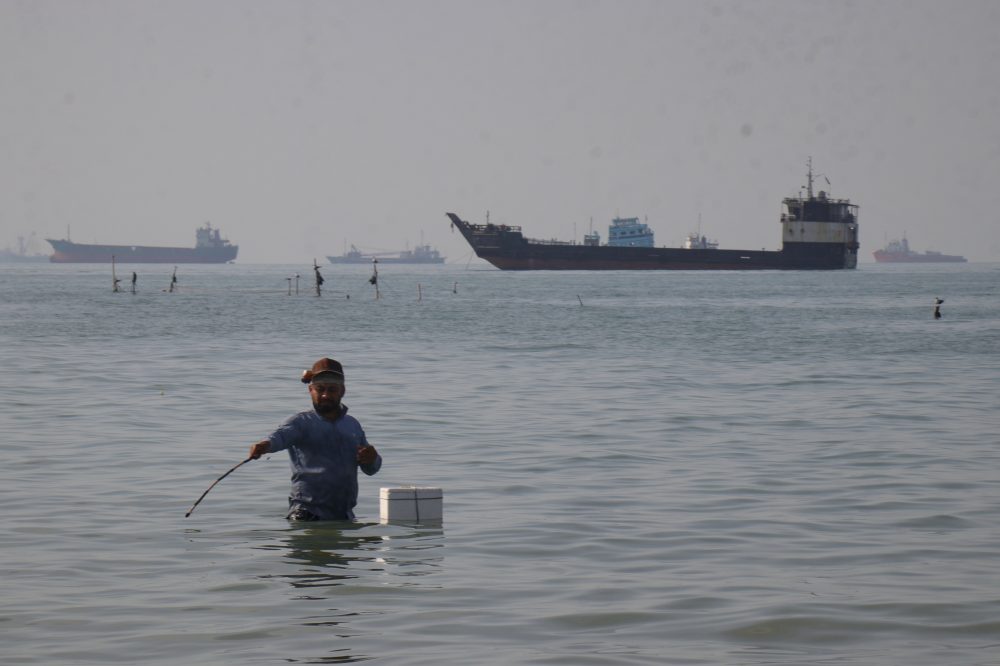
Although the truce has significantly reduced combat operations in Iran, the two countries remain deadlocked over control of the Strait of Hormuz, a vital shipping lane that handles 20% of global oil and gas trade during peaceful periods. An American naval blockade preventing Iranian oil tankers from reaching international waters has severely damaged Iran’s economy. Meanwhile, Iran’s control over the waterway continues to strain the global economy.
President Donald Trump recently outlined a new strategy to reopen the crucial shipping channel that Gulf allies depend on for energy exports.
Iranian Foreign Minister Abbas Araghchi conducted extensive phone consultations Friday with regional counterparts from Turkey, Egypt, Qatar, Saudi Arabia, Iraq and Azerbaijan to update them on Tehran’s newest peace initiatives, according to his social media posts.
European Union foreign policy leader Kaja Kallas also held a telephone conversation Friday with Araghchi. Their discussion covered current diplomatic efforts to reopen the Strait of Hormuz and establish lasting security frameworks, Kallas’ office confirmed. Kallas has maintained ongoing contact with EU Gulf partners as well.
The Trump administration refused to confirm whether it had received Iran’s new diplomatic offer.
“We do not detail private diplomatic conversations,” White House spokesperson Anna Kelly said in a statement. “President Trump has been clear that Iran can never possess a nuclear weapon, and negotiations continue to ensure the short- and long-term national security of the United States.”
Pakistani officials Friday declined to verify whether Tehran had transmitted proposals through Islamabad, stating that efforts to reduce U.S.-Iran tensions remain ongoing. Pakistani Prime Minister Shehbaz Sharif informed a Cabinet session Wednesday that officials were still waiting for Iran’s response.
Earlier this week, Trump told Axios he had rejected Iran’s offer to reopen the strait in return for ending the U.S. naval blockade of Iranian ports.
The Iranian offer would have delayed discussions about the country’s nuclear program to a future date, two regional officials revealed earlier this week. The officials familiar with the proposal requested anonymity to discuss confidential talks between Iranian and Pakistani representatives.
Trump has stated that preventing Iran from developing nuclear weapons was a primary motivation for the conflict.
Since hostilities began February 28, at least 3,375 people have died in Iran, and over 2,600 in Lebanon, where fresh fighting erupted between Israel and Iran-supported Hezbollah militants two days after the war commenced, according to official sources.
The conflict has also claimed 24 lives in Israel and more than 20 in Gulf Arab nations. Seventeen Israeli soldiers in Lebanon and 13 U.S. military personnel across the region have been killed.