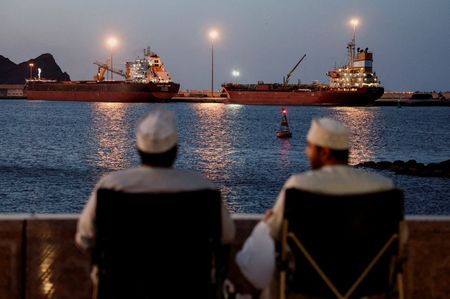

Iraq and Pakistan have negotiated separate agreements with Iran to allow energy shipments through the strategically vital Strait of Hormuz, according to five sources familiar with the arrangements, showcasing Tehran’s growing influence over critical energy transportation routes.
Regional conflict involving the U.S. and Israel has dramatically reduced energy shipments from an area that typically provides 20% of global crude oil and liquefied natural gas supplies. Recent U.S. blockades of Iranian ports have further complicated the situation. While Iran initially attempted to completely shut down strait traffic, experts say the strategy has evolved.
“Iran has shifted from blocking Hormuz to controlling access to it … Hormuz is no longer a neutral transit route, it is a controlled corridor,” said Claudio Steuer from the Oxford Institute for Energy Studies.
Iraq, which typically ships most of its crude through the strait, has been severely impacted by the closure. Pakistan, attempting to mediate the conflict, relies heavily on Gulf energy imports and has experienced dramatically higher fuel costs.
Through a previously unreported arrangement between Baghdad and Tehran, Iraq obtained safe passage for two massive crude carriers, each transporting approximately 2 million barrels of oil, which successfully navigated the strait this past Sunday.
Baghdad continues working to obtain Iranian permission for additional transits, according to an Iraqi oil ministry official knowledgeable about the original agreement and ongoing negotiations. The government aims to protect oil revenues that comprise 95% of its national budget.
“Iraq is a close ally of Iran, and any deterioration in Iraq’s economy would also damage Iran’s economic interests in the country,” the official explained.
Two additional Iraqi oil ministry officials and a shipping industry source confirmed the Tehran negotiations. All sources requested anonymity since they lacked authorization to discuss the matter publicly.
Iraqi government representatives did not immediately respond to requests for comment.
Meanwhile, two tankers carrying Qatari LNG are traveling to Pakistan following a separate bilateral arrangement between Islamabad and Tehran, two industry sources told reporters, also requesting anonymity due to media restrictions.
Pakistan previously received approximately 10 LNG shipments monthly before the conflict began and now faces high summer electricity demand for air conditioning.
Sources indicated that neither Iraq nor Pakistan made direct payments to Iran or its Islamic Revolutionary Guard Corps for the transit arrangements.
Qatar was not directly participating in the bilateral agreements, industry sources noted, though it notified the United States before the Pakistan shipments.
Pakistani petroleum and information ministries, along with Qatar’s foreign ministry, did not immediately respond to comment requests.
Additional countries are exploring similar arrangements, according to sources familiar with the discussions, as escalating energy costs and supply disruptions heavily impact economies, particularly in Asia.
“As more governments become willing to cut deals with Iran for passage, it risks normalising the idea that Iran will control the Strait of Hormuz on a more permanent basis,” explained Saul Kavonic, research director at consultancy MST Marquee.
Before the conflict, approximately 3,000 vessels traveled through Hormuz monthly. Current traffic represents roughly 5% of previous levels, shipping data indicates.
The disruption has driven Brent crude prices up more than 50% since the conflict began in late February. European and Asian LNG prices have increased between 35% and 50%.
Iran has expressed intentions to maintain strait control after the war ends. Tehran has demanded reparations, sanctions relief, and access to frozen assets as settlement conditions, which President Donald Trump called “garbage,” eliminating hopes for a conflict resolution deal.
Industry sources report Iran is formalizing its strait control. Iraq has been asked to submit documentation for each tanker to enable transit through designated maritime routes under Iranian naval supervision, one Iraqi oil ministry official revealed.
Specialized Iraqi oil ministry teams are providing Iranian authorities with comprehensive vessel information, including destinations, shipping details, ownership, and cargo specifications to prevent incidents.
A Pakistani source involved in Iranian vessel passage negotiations mentioned some procedural difficulties.
“The IRGC sometimes changes the goalposts, so it is hard to keep things on track, but we are working through it,” he said.