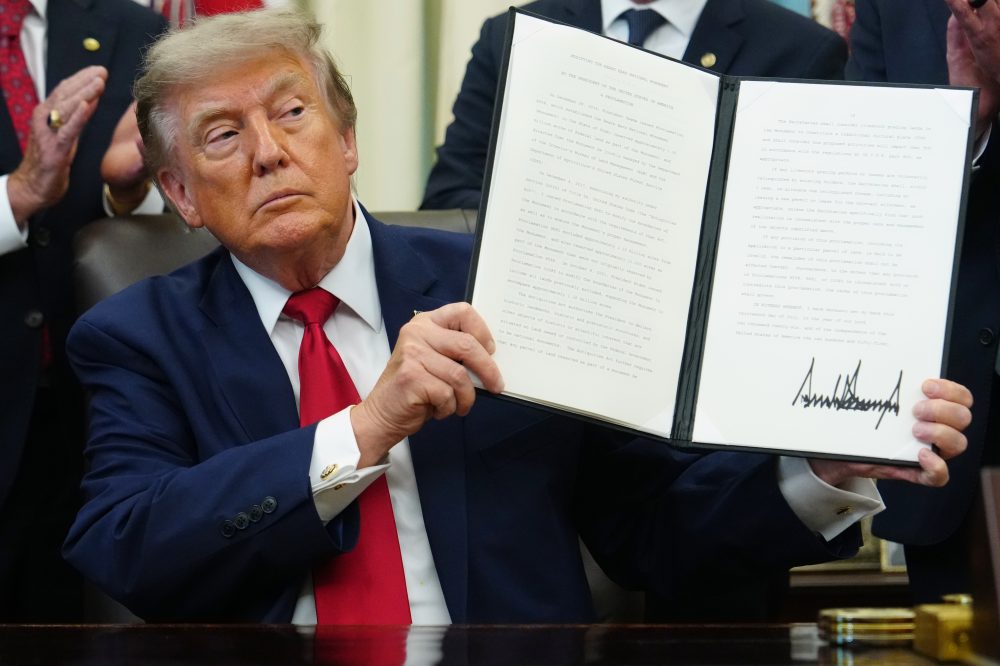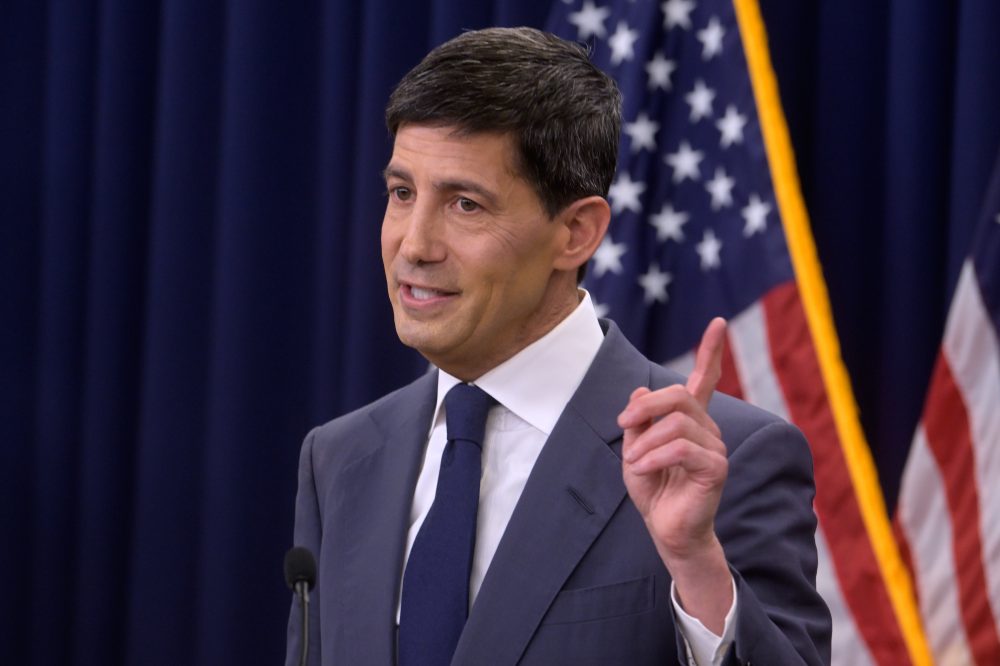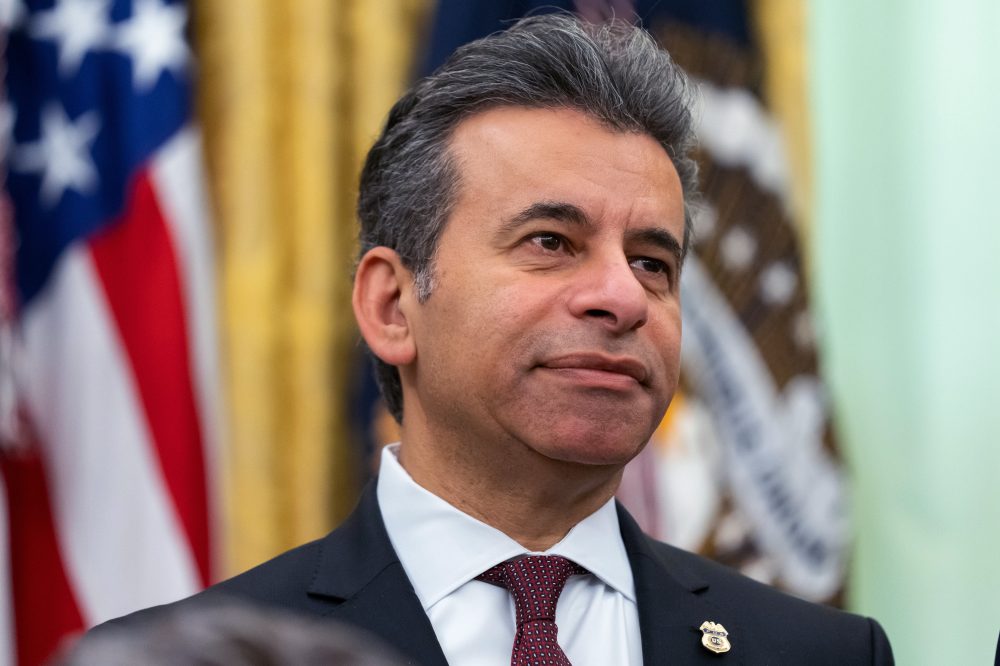

WASHINGTON — Dr. Marty Makary has stepped down from his position as Commissioner of the Food and Drug Administration following a tumultuous year-plus tenure that sparked criticism from multiple industry groups and political allies of President Donald Trump.
According to a White House official speaking on condition of anonymity ahead of Tuesday’s expected announcement, Makary’s departure comes after slightly more than 12 months overseeing the nation’s primary health regulatory body.
Kyle Diamantas, currently serving as the FDA’s food division leader, will assume the role of acting commissioner. Diamantas, who works as an attorney, maintains personal connections to Donald Trump Jr.
Makary, a surgeon and medical researcher, gained Republican attention during the pandemic through his vocal opposition to COVID-19 public health policies, frequently sharing his views on Fox News programming.
However, his leadership of the FDA proved challenging as he encountered difficulties navigating the agency’s complex bureaucratic structure and lost staff confidence following widespread job cuts, administrative shake-ups, and multiple incidents where scientific standards seemed subordinated to political considerations, particularly those championed by Health Secretary Robert F. Kennedy Jr.
Leading the FDA requires balancing scientific integrity with political realities while overseeing regulations affecting billions of dollars in consumer products and pharmaceutical treatments.
Makary confronted the distinctive challenge of satisfying Trump administration demands to reduce regulatory barriers while simultaneously addressing Kennedy’s push for heightened scrutiny of vaccine safety, pharmaceutical products, and food additives.
Nearly all senior career staff members at the FDA either resigned, retired, or faced removal during Trump’s second administration’s first year, resulting in continuous media leaks and reports highlighting staff demoralization, organizational chaos, and widespread workplace frustration.
Dr. Vinay Prasad, Makary’s chosen deputy, was removed from his position twice within 12 months after conflicts with specialty pharmaceutical companies and rare disease patient advocacy organizations. Despite ongoing pressure campaigns demanding his dismissal, Makary initially seemed likely to survive the controversies.
Recent months brought additional criticism from interest groups the White House considers essential for Republican electoral success in November.
Conservative anti-abortion organizations accused Makary of deliberately delaying an internal assessment of mifepristone, the abortion medication that has remained available for 25 years while continuing to face opposition from conservative activists.
E-cigarette industry leaders informed Trump that Makary was preventing approval of their products, particularly new flavored vaping devices considered vital for industry sustainability.
The agency dramatically reversed its vaping stance last week, approving the first fruit-flavored e-cigarette products and releasing guidelines that relaxed marketing restrictions for major manufacturers. However, these changes proved insufficient to preserve Makary’s position.
Trump must nominate a permanent FDA commissioner, who will then require Senate confirmation through a majority vote.
Drawing on his Fox News background, Makary actively promoted his achievements through cable television appearances, podcast interviews, and online editorial content.
Makary launched more than six initiatives designed to accelerate or simplify FDA pharmaceutical reviews, including eliminating specific study requirements, integrating artificial intelligence into drug evaluations, and providing fast-track reviews for medications supporting “national interests.”
However, pharmaceutical companies value FDA decision consistency and predictability even more than rapid approvals. Internal conflicts and organizational turmoil overshadowed Makary’s drug review improvements, creating complications for drug manufacturers, investors, and patients.
Several specialty pharmaceutical companies developing treatments for rare or difficult-to-treat conditions reported receiving rejection notices or requests for additional studies for medications previously approved by FDA staff. Prasad, who resigned for the second time from his vaccine and biotechnology leadership role in April, primarily supervised these drugs.
Prasad frequently overturned vaccine staff decisions to limit eligibility for new COVID vaccinations. In February, Prasad initially declined to review Moderna’s mRNA influenza vaccine. The FDA reversed course after Moderna threatened formal appeals and requested White House intervention.
Many of Makary and Prasad’s most contentious vaccine proposals never materialized, despite creating confusion and concern within the FDA and broader health community.
In a November internal document, Prasad claimed without providing supporting evidence that the FDA had connected COVID vaccines to 10 pediatric deaths. Prasad used this assertion to justify a comprehensive restructuring of the agency’s vaccine approval and update procedures.
Twelve former FDA commissioners issued a harsh criticism of the proposal, cautioning it would “undermine the public interest” and devastate vaccine development. The FDA has not released its death analysis or vaccine overhaul plan.
Within the FDA’s drug center, the agency’s largest department, Makary oversaw constant leadership turnover with six different directors serving during a single year.
Dr. George Tidmarsh, Makary’s original choice for the position, was compelled to resign following accusations that he exploited his FDA role to pursue personal grievances against a former business associate.
Dr. Rick Pazdur, a veteran FDA cancer specialist who replaced Tidmarsh, announced his retirement after only three weeks following disagreements with Makary regarding various drug review matters.
Makary’s departure leaves many developing initiatives in limbo.
Most programs Makary established have not completed the federal rulemaking process necessary to incorporate them into U.S. regulations and could be easily reversed by future leadership.
Congressional Democrats have challenged the legality of several initiatives, including a program providing expedited reviews for innovative pharmaceutical products.