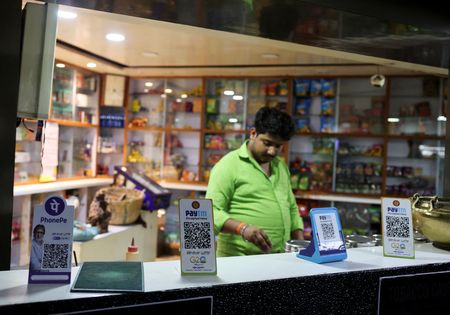

India’s dominant digital payments company PhonePe is preparing for a major stock market debut, seeking a valuation between $9 billion and $10.5 billion, according to two sources familiar with the plans.
The initial public offering could generate between $900 million and $1.05 billion for the Walmart-supported fintech company. However, even the highest projected valuation represents a decrease from the $12 billion price tag PhonePe achieved when it secured $100 million in private funding during 2023.
Major stakeholders are planning significant changes in ownership through the public offering. Walmart intends to reduce its holdings by approximately 12%, while both Tiger Global and Microsoft are looking to completely divest their positions, based on regulatory documents filed by PhonePe.
The three companies will collectively sell roughly 50.7 million shares during the offering, with PhonePe choosing not to create any additional shares for the market.
PhonePe faces stiff competition from Google Pay and Paytm in India’s crowded digital payments landscape. The company submitted its IPO paperwork in September and hopes to finalize the public listing by April, though one source noted that market conditions, including potential effects from Middle East tensions, could alter this schedule.
The sources spoke anonymously due to the confidential nature of the discussions. Representatives from PhonePe, Walmart, Tiger Global, and Microsoft did not respond to requests for comment.
This marks the first time details about PhonePe’s expected market value and listing timeline have been disclosed publicly. The company’s name translates to “on the phone” in Hindi.
If successful, PhonePe’s market debut would become India’s second-largest fintech public offering, trailing only Paytm’s approximately $20 billion listing in 2021. Paytm currently maintains a market value of $7.1 billion.
Despite its market dominance, PhonePe operates in a challenging environment where profit generation remains difficult. The platform serves more than 650 million registered users and handled almost 10 billion of India’s 21.7 billion digital transactions in January, according to government data. However, payment processing in India typically yields thin profit margins.
India introduced its unified payments interface system in 2016 and prohibited companies from collecting fees for instant payment services, aiming to encourage digital transactions and decrease cash dependency in Asia’s third-largest economy.
Financial performance shows mixed results for PhonePe. The company’s losses expanded to 14.44 billion rupees ($158 million) during the six months ending September 30, compared to 12.03 billion rupees in the previous year. Meanwhile, revenue increased approximately 22% to 39.18 billion rupees, according to IPO filings.
Investment professionals who attended pre-IPO presentations expressed concerns about the fintech sector’s prospects. Two portfolio managers noted that enthusiasm for India’s financial technology companies has diminished, with ongoing uncertainties about PhonePe’s capacity to generate revenue from its massive user base potentially limiting its valuation potential.
“Monetisation remains a question mark. Active users aren’t growing at the same pace so the game is all about upsell and that remains to be seen,” one portfolio manager explained.
A banking source involved in the offering also highlighted investor concerns about India’s saturated fintech marketplace, where companies struggle to distinguish themselves from competitors.
All sources requested anonymity as they lacked authorization to discuss the matter publicly.