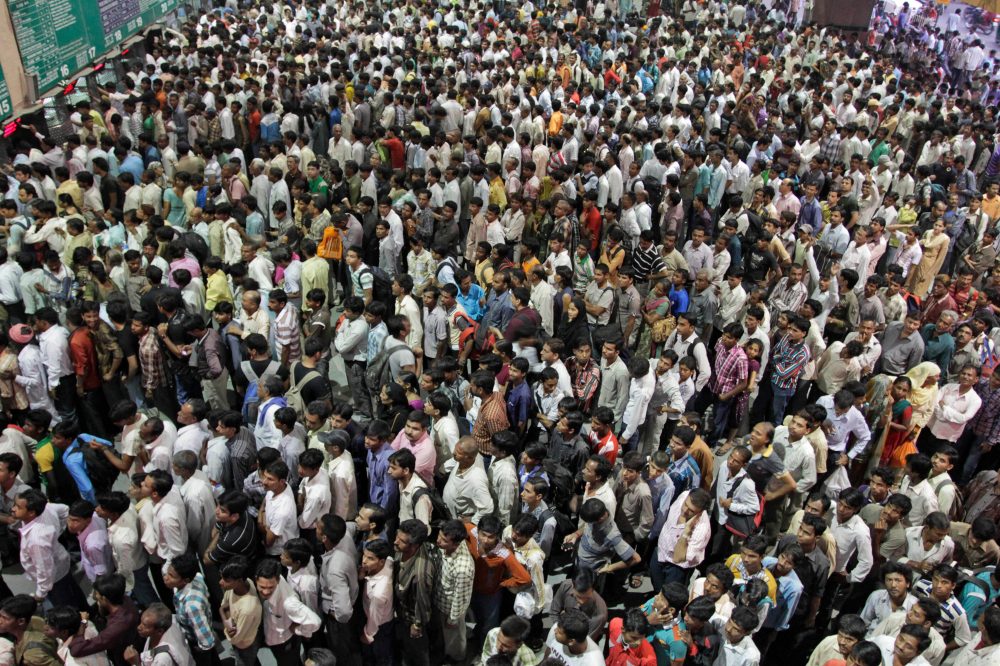

NEW DELHI (AP) — The world’s most extensive national population survey has commenced in India, with potential to dramatically alter government assistance programs and legislative representation throughout the nation.
India’s last population count in 2011 documented 1.21 billion residents. Current estimates place the figure above 1.4 billion, establishing India as the globe’s most populated country.
Originally scheduled for 2021, the massive undertaking was delayed by the coronavirus pandemic and operational obstacles.
Understanding India’s census process and its importance:
The initial stage launched Wednesday and will expand nationwide through September. Census workers will spend approximately one month in each region gathering data about residences and available infrastructure while documenting housing inventory and living standards.
The process combines face-to-face interviews with digital technology, allowing citizens to provide information via a multilingual mobile app that incorporates satellite mapping capabilities.
Beginning in September through April 1st, the second stage will capture comprehensive details about residents’ social and economic backgrounds, including religious affiliation and caste identity.
Over 3 million government employees are anticipated to participate throughout the year-long effort. The 2011 census involved nearly 2.7 million data collectors who surveyed more than 240 million households across the country.
The upcoming census’s second phase will seek expanded caste documentation beyond traditionally disadvantaged communities.
India’s caste system represents an ancient social structure that continues influencing social status and determining access to resources, educational opportunities, and economic advancement. Hundreds of caste classifications exist based on profession and financial standing throughout India, especially among Hindu populations, though current demographic information remains insufficient or obsolete.
The most recent comprehensive caste data collection occurred in 1931 under British colonial administration. Since India’s independence and first census in 1951, counting has focused solely on Dalits and Adivasis, members of disadvantaged groups classified as scheduled castes and tribes.
Previous administrations have avoided comprehensive caste enumeration, expressing concerns it might intensify social divisions and provoke civil unrest.
Census population statistics form the foundation for allocating government assistance programs and developing numerous public policies.
The data may also necessitate restructuring India’s political landscape, as parliamentary and state legislative seats might increase to reflect demographic growth. A 2023 statute designates one-third of legislative positions for women, meaning any expansion would boost female representative allocations.