
CHICAGO (AP) — Illinois voters will head to the polls Tuesday for primary elections featuring several compelling political narratives, including potential comebacks, departing long-serving officials, and implications for the 2028 presidential contest.
The primary ballot includes contests for governor, U.S. Senate, House of Representatives, state legislature positions, and various local offices.
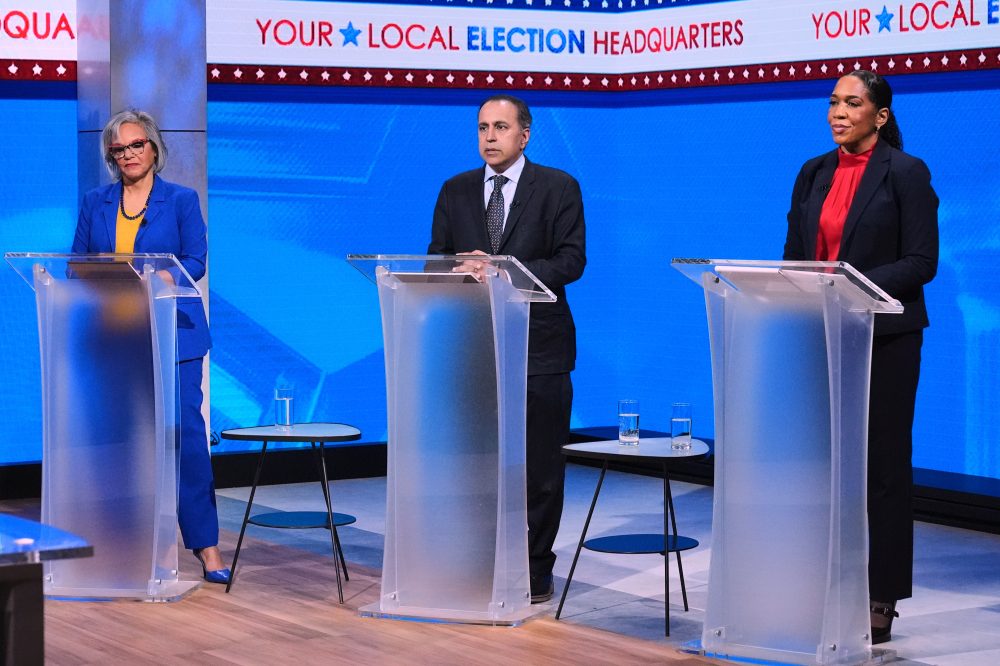
The marquee contest centers on replacing Democratic Senator Dick Durbin, who is stepping down after serving five terms. Democratic contenders include Representatives Robin Kelly and Raja Krishnamoorthi, along with Lieutenant Governor Juliana Stratton, who has received Governor JB Pritzker’s backing. On the Republican side, former state party chairman Don Tracy and attorney Jeannie Evans are among those seeking the nomination.
Financial reports from late February showed Krishnamoorthi significantly outpacing all other candidates in fundraising, maintaining approximately $6.6 million after moving over $19 million from his House campaign war chest. Tracy led Republican fundraising efforts with roughly $1.8 million available.
Durbin’s Senate seat has experienced far less volatility than the state’s other Senate position, which recently saw five consecutive holders serve brief tenures. Since assuming office in 1997, Durbin represents just the second person to occupy this seat over more than four decades.
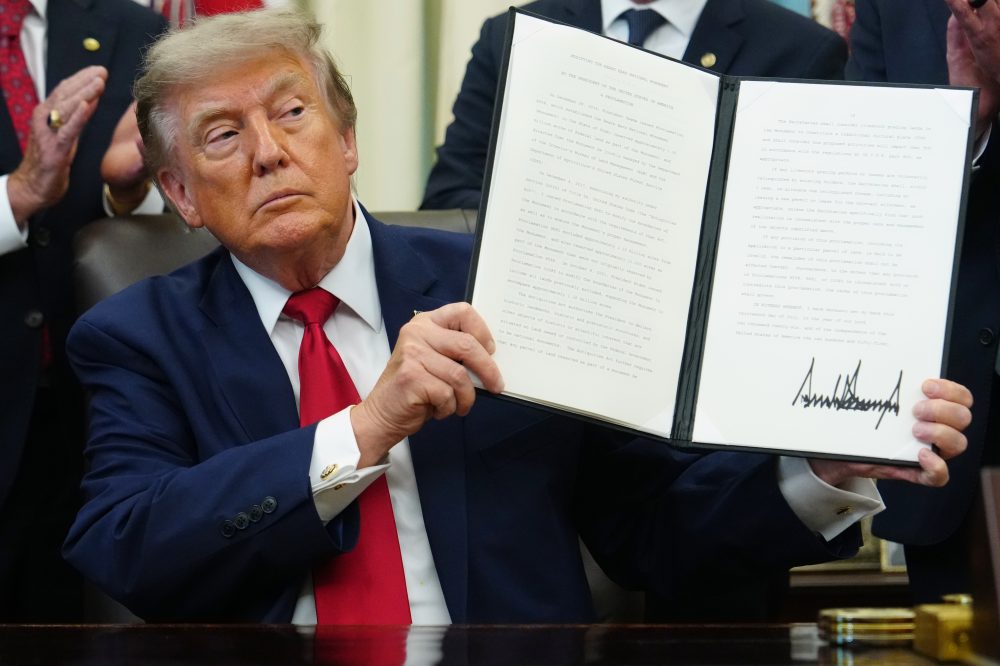
Governor Pritzker faces no Democratic opposition in his renomination effort. Trump’s presidential return has elevated Pritzker’s national standing, positioning the two-term governor among Democrats frequently mentioned for potential 2028 presidential campaigns.
Four Republican candidates aim to challenge Pritzker this fall, including former state Senator Darren Bailey, who previously faced defeat against Pritzker in 2022’s gubernatorial contest.
Cook County, home to Chicago, typically serves as the decisive battleground in both party primaries due to its massive voter base. However, in the Senate race, eight of ten Democratic candidates hail from Chicago or surrounding Cook County suburbs, potentially weakening any regional advantages.
Democratic statewide primary victors generally enter November elections with strong prospects, as the party has captured recent major statewide races with margins exceeding 55%.
House primary races have drawn significant attention due to Kelly’s and Krishnamoorthi’s Senate campaigns, plus the retirements of veteran Democratic Representatives Danny Davis and Jan Schakowsky, creating opportunities for numerous candidates.
Two former Democratic lawmakers are attempting political resurrections. In the 2nd Congressional District, Jesse Jackson Jr. seeks to reclaim Kelly’s seat — the same position Jackson lost in 2013 following his campaign fraud conviction. Jackson is the son of civil rights icon Reverend Jesse Jackson, who passed away February 17. His primary challengers include Cook County Commissioner Donna Miller and state Senators Robert Peters and Willie Preston.
The 8th Congressional District Democratic primary features former Representative Melissa Bean pursuing Krishnamoorthi’s seat against candidates including Neil Khot, Junaid Ahmed, and Dan Tully. Durbin has endorsed his former staffer Yasmeen Bankole in this contest.
The Associated Press maintains strict standards for declaring winners, only making calls when trailing candidates cannot mathematically overcome deficits. Uncalled races receive continued coverage of significant developments, with clear explanations of why winners haven’t been declared.
Illinois lacks automatic recount provisions. Candidates receiving at least 95% of the winner’s vote total may request paid recounts, though results remain non-binding and cannot alter outcomes. Courts may order recounts through election challenge proceedings. The AP may declare winners in recount-eligible races when leads appear insurmountable.
Voting concludes at 7 p.m. local time (8 p.m. Eastern).
The AP will report results and announce winners in competitive primaries for Senate, House, governor, secretary of state, comptroller, and legislative seats, plus select local races in Cook, DuPage, Kane, and Will counties. Additional statewide offices like attorney general and treasurer appear on ballots but lack contested races beyond write-in options.
Illinois operates open primaries, allowing any eligible voter to participate in either party’s contest. Same-day voter registration is permitted.
Current registration stands at approximately 8,976,000 voters as of Friday, with no party affiliation tracking.
The 2022 Democratic Senate primary drew about 857,000 votes, while Republicans cast roughly 715,000 ballots. Early voting comprised about 33% of total turnout.
More than 535,000 ballots were already submitted by Friday.
During 2024’s presidential primaries, Illinois results first appeared at 8:09 p.m. Eastern, nine minutes after poll closing. Final updates came at 2:11 a.m. Eastern with approximately 92% of votes tallied.
Most counties will integrate early and absentee ballots with Election Day results throughout the evening or near the end of counting, though some may release early totals initially.
Tuesday marks 231 days until the 2026 midterm elections.