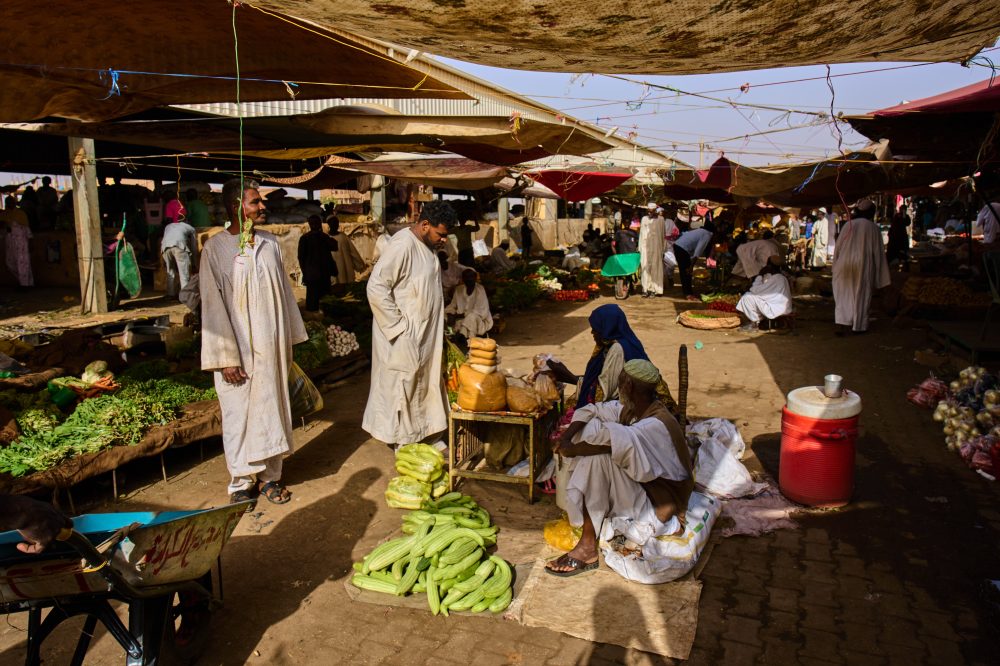

A global hunger monitoring organization announced Thursday that more than four in ten people living in conflict-ravaged Sudan are experiencing severe levels of acute food insecurity, with conditions projected to persist through May as the nation’s war nears its fourth year.
According to the Integrated Food Security Phase Classification, or IPC, nearly 19.5 million individuals are confronting this critical level of food insecurity. Among these, 135,000 people have reached Phase 5 conditions, defined by “extreme food gaps, starvation, very high levels of malnutrition, and death due to disease or acute malnutrition.”
The monitoring group’s assessment warns that circumstances will likely worsen during the coming June through September lean season. “Conditions are expected to deteriorate further in the upcoming June–September lean season,” the IPC assessment statement read. The organization projects that approximately 825,000 children under age 5 will experience severe acute malnutrition in 2026 due to restricted access to medical care, representing a 7% rise from the previous year and a 25% jump from pre-conflict numbers.
Treatment data shows that more than 98,500 children received care for severe acute malnutrition during the January through March period, the IPC reported.
Sudan’s armed conflict began in April 2023 when escalating tensions between military forces and the paramilitary Rapid Support Forces exploded into comprehensive warfare. The violence has claimed at least 59,000 lives, forced 13 million people from their homes, and driven numerous regions into famine conditions. Humanitarian aid is needed by more than 30 million residents.
While Thursday’s IPC report found no current famine conditions, it cautioned that 14 locations across North Darfur, South Darfur, and South Kordofan provinces face famine risk should fighting escalate, food availability decrease, medical and sanitation services deteriorate, or population displacement expand.
Previous assessments confirmed famine conditions in el-Fasher, a significant city in western Darfur, and in Kadugli, located in South Kordofan.
Agricultural producers throughout Sudan are preparing for a costly planting period as expenses for fertilizers, gasoline for farming machinery, and diesel for irrigation equipment rise due to Middle Eastern conflicts.
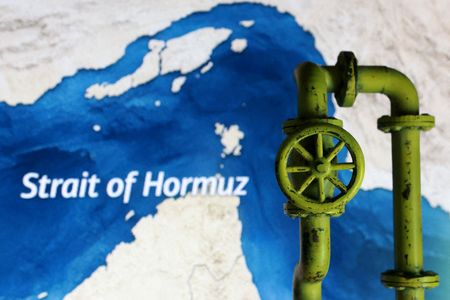
The Gulf area, where numerous commercial vessels have remained stuck for weeks because of Iran’s control over the Strait of Hormuz, supplies more than half of Sudan’s sea-imported fertilizer. Energy costs have surged approximately 30%.