
Hungary and Ukraine announced plans Monday to start high-level discussions regarding the treatment of ethnic Hungarians living in Ukraine, signaling a possible improvement in the strained relationship between the two neighboring nations.
Relations between the countries had deteriorated over several years under Hungary’s previous pro-Russian administration led by former Prime Minister Viktor Orbán, which declined to offer financial or military support to help Ukraine defend against Russia’s full-scale invasion.
Orbán, who lost power in a decisive April election, had defended many of his administration’s anti-Ukraine positions by citing alleged limitations on language and educational opportunities for approximately 100,000 ethnic Hungarians residing in Ukraine’s Zakarpattia region.
Ukraine enacted legislation in 2017 requiring Ukrainian as the primary language of instruction beyond fifth grade, which was designed to counter Russian influence but also impacted other minority languages, creating frustration among Romanian, Bulgarian and Hungarian communities.
Hungary’s new Foreign Minister Anita Orbán announced on X Monday that “expert-level consultations aimed at resolving the rights of the Hungarian minority” would commence as early as this week.
These discussions will establish “an important foundation for the prompt and reassuring settlement of minority rights issues,” Orbán posted, noting she has no family connection to the former prime minister.
“I trust that the dialogue will be constructive and productive, and that the negotiations will soon bring tangible progress for the Hungarian community,” she added.
The initiative represents an early indication that bilateral relations, which had reached historic lows under Orbán’s leadership, might be improving. His nationalist-populist administration had obstructed vital European Union assistance to Ukraine, delayed sanctions against Moscow, and threatened to hinder Ukraine’s eventual EU membership aspirations.
Leading up to the April vote, Orbán’s administration conducted an intense anti-Ukraine campaign, portraying the neighboring nation as a fundamental danger to Hungary that could devastate its economy and force involvement in the conflict.
However, the victory of the center-right Tisza party and its leader, Prime Minister Péter Magyar, has raised expectations that Hungary’s new leadership would adopt a more collaborative stance.
Demonstrating the dramatic shift in Moscow relations following Magyar’s election, Hungary’s new foreign minister recently called in the Russian ambassador regarding a major drone attack in Zakarpattia — an action that would have been nearly impossible during Orbán’s 16-year rule.
Ukrainian President Volodymyr Zelenskyy described the diplomatic summons in Budapest as an “important message” and expressed gratitude to the new administration for its response.
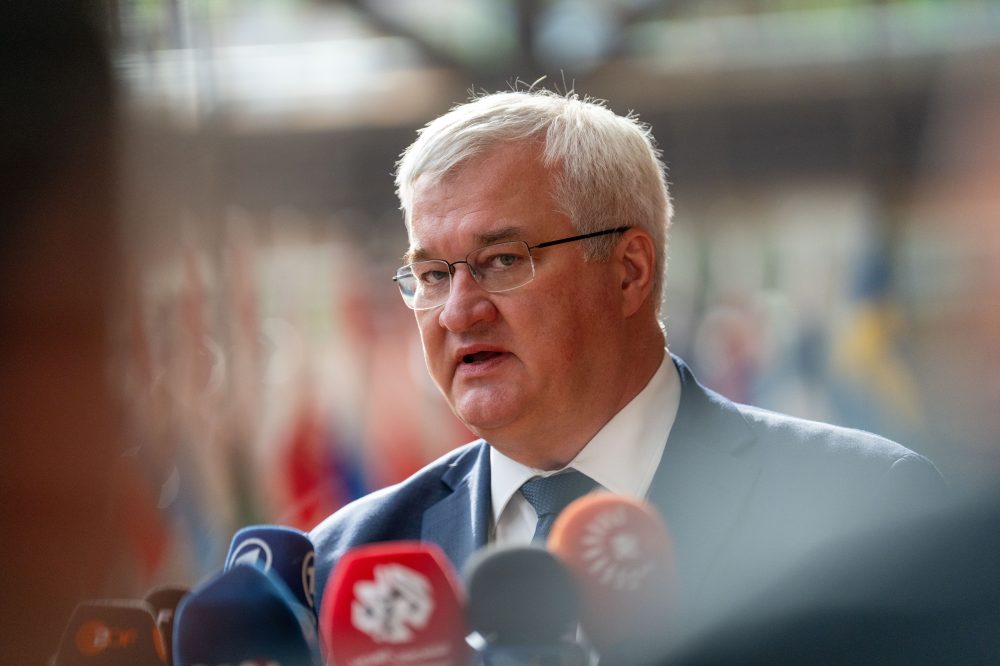
Ukrainian Foreign Minister Andrii Sybiha posted on X Monday that his government stands “ready to open a new, mutually beneficial chapter in Ukrainian-Hungarian relations without delay,” seeking to “restore trust and good-neighborly relations between our countries.”
Sybiha noted that during a telephone conversation with Anita Orbán, he had expressed appreciation for “the Hungarian government’s principled and swift reaction to the latest Russian strikes against Ukraine.”