
BUDAPEST, Hungary — Hungarian officials announced Wednesday they will halt diesel fuel exports to Ukraine following ongoing disruptions to Russian oil deliveries through a key pipeline crossing Ukrainian soil.
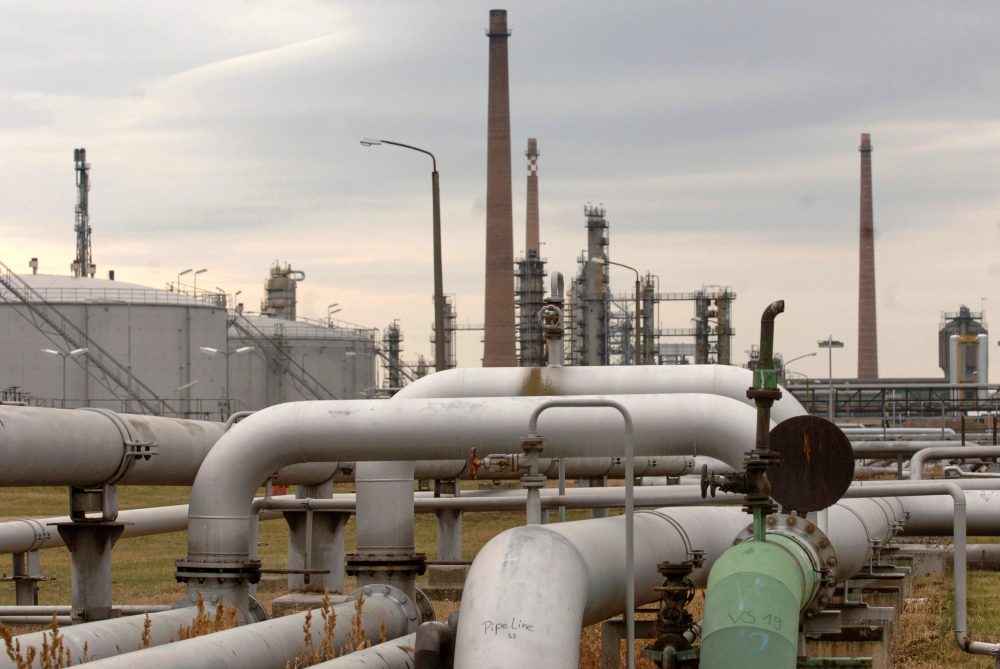
Oil shipments from Russia to both Hungary and Slovakia have been cut off since January 27th following damage to the Druzhba pipeline, which transports Russian crude oil into Central Europe. Ukrainian authorities attribute the damage to Russian military strikes.
Both Hungary and Slovakia, nations that secured temporary waivers from European Union restrictions on Russian oil purchases, have pointed fingers at Ukraine for intentionally blocking the fuel supplies, though they have not offered proof of these claims.
Hungarian Foreign Minister Péter Szijjártó declared in a social media video Wednesday that the supply disruption represents “a political decision made by the Ukrainian president himself.”
Ukrainian officials have rejected these allegations.
Szijjártó also stated that Hungary maintains sufficient oil stockpiles to meet needs for over three months and emphasized the country’s energy security remains intact.
While nearly all European nations have dramatically cut or completely eliminated Russian energy purchases, Hungary — despite being both an EU and NATO member — has continued and even expanded its Russian oil and gas imports since Moscow began its military campaign in Ukraine in February 2022.
Hungarian nationalist leader Viktor Orbán has consistently maintained that Russian energy sources are essential for the nation’s economic stability, claiming that transitioning to alternative energy suppliers would trigger immediate economic devastation — a position challenged by some energy analysts.
Recognized as Moscow’s strongest supporter within the EU, Orbán has actively resisted the bloc’s sanctioning efforts against Russia following its invasion and has criticized measures targeting Russian energy revenues that help fund the military operation.
With April elections approaching that could prove the most difficult challenge to his 16-year tenure, Orbán has initiated an intense campaign criticizing both Ukraine and the EU, attempting to persuade Hungarian voters that their neighboring country represents a serious threat and that only he can ensure Hungary’s protection.
After the Druzhba pipeline interruptions began in late January, Hungarian leadership requested that Croatia permit Russian oil delivered by ship to flow through the Adria pipeline to Hungarian and Slovakian refineries.
Croatian Economy Minister Ante Šušnjar indicated his nation would not permit Central European energy security to be compromised but rejected Hungary’s proposal.
In a Monday post on social media platform X, Šušnjar stated there are “no technical excuses left for staying tied to Russian crude for any EU country.”
“A barrel bought from Russia may appear cheaper to some countries, but helps fund war and attacks on Ukrainian people,” he wrote.