
BUDAPEST — In a dramatic diplomatic move, Hungary has called in Russia’s ambassador following a large-scale drone assault that occurred close to Hungary’s Ukrainian border, representing a significant policy shift under new Prime Minister Péter Magyar compared to the previous administration’s warm ties with the Kremlin.
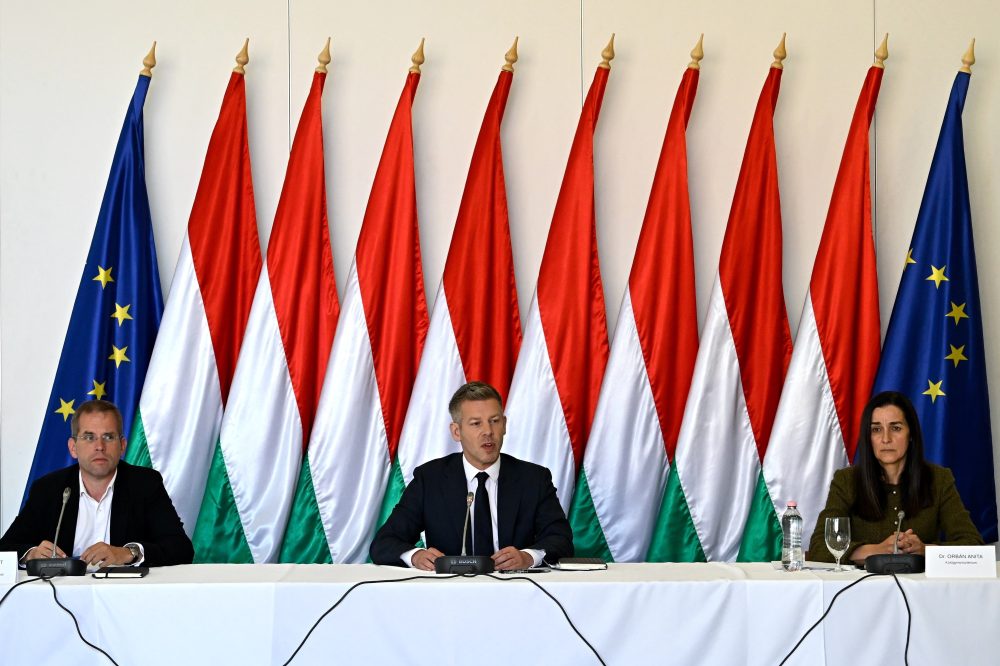
Russian Ambassador Evgeny Stanislavov is scheduled to meet with Hungarian Foreign Minister Anita Orbán at the foreign ministry around midday Thursday regarding Wednesday’s strikes in Ukraine’s Transcarpathia region, an area with a substantial Hungarian ethnic population.
During a Wednesday news conference in Ópusztaszer in southern Hungary where he revealed the diplomatic summons, Magyar declared: “The Hungarian government strongly condemns the Russian attack on Transcarpathia.”
“She will tell him the same and ask for information on when Russia and Vladimir Putin plan to finally end this bloody war that began more than four years ago,” the prime minister continued.
Moscow has yet to issue any public response regarding the diplomatic summons.
According to Ukrainian President Volodymyr Zelenskyy, Russia launched no fewer than 800 drones in Wednesday’s extensive daylight assault, striking approximately 20 Ukrainian regions including Transcarpathia. The attack resulted in at least six deaths and injured dozens, among them children. The multi-hour bombardment represented one of Moscow’s most prolonged offensives in the conflict now entering its fifth year.
Zelenskyy described the Budapest summons as an “important message” and expressed gratitude for Magyar’s statements.
“Moscow has once again shown itself to be a common threat not only to Ukraine, but also to neighbouring countries and Europe as a whole,” Zelenskyy posted on social media.
Following his historic electoral victory over Orbán last April, Magyar has pledged to reverse much of the previous leader’s 16-year legacy, with particular emphasis on addressing alleged corruption.
The diplomatic protest represents a remarkable transformation following years of Budapest’s close relationship with Moscow — despite Hungary’s membership in both the European Union and NATO — which persisted even after Russia’s 2022 full-scale invasion of Ukraine.
Last March, Ambassador Stanislavov published a Facebook letter addressed to Magyar, rejecting claims that Moscow had assisted longtime Kremlin ally Orbán.
“It’s really not worth scaring Hungarians with imaginary Russian threats,” he stated. “The embassy has clear objectives: to ensure the maintenance of normal bilateral relations, to develop mutually beneficial cooperation in the current situation where possible, and to protect the interests of citizens of Russia and Hungary.”