
WASHINGTON — In a 235-191 vote, the House passed legislation Wednesday extending a controversial U.S. surveillance program for three years, just days before it’s set to expire on Friday. The measure includes additional oversight provisions but falls short of requiring warrants that privacy advocates have pushed for.
Most Republicans were joined by a significant number of Democrats in supporting the extension. However, the legislation’s future remains unclear as it awaits action from the Senate and President Donald Trump.
Senate Majority Leader John Thune indicated Wednesday evening that his chamber probably won’t quickly approve the House version, suggesting a temporary extension will be necessary to avoid Friday’s expiration deadline.
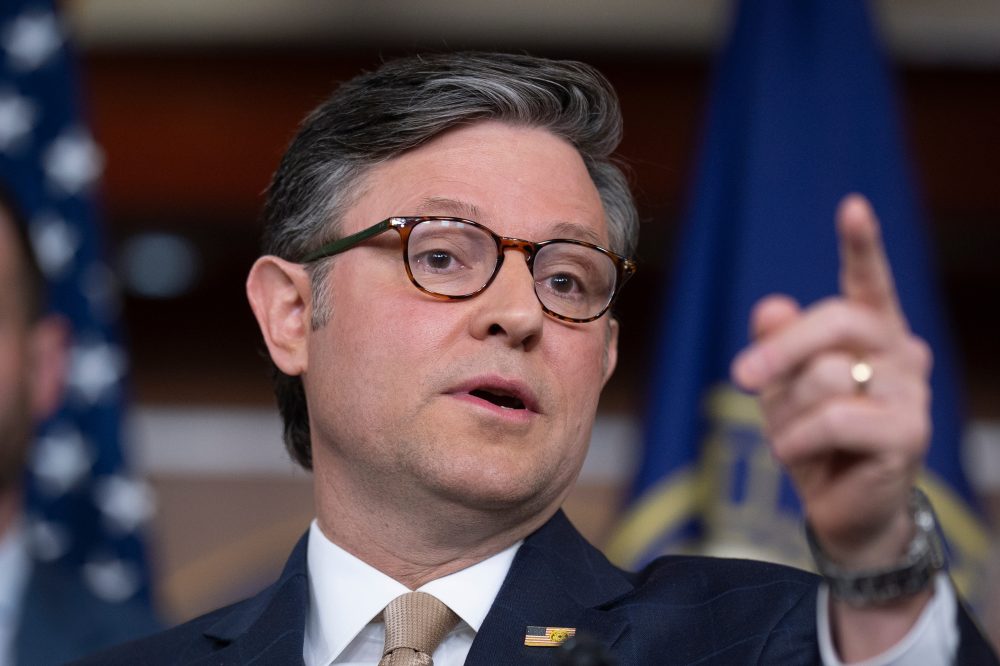
The House vote represented a victory for Republican leadership after Speaker Mike Johnson spent the day winning over several GOP holdouts to move the measure to a final vote. Previous attempts to pass a long-term extension had failed after chaotic late-night sessions earlier this month.
“Two-thirds of the president’s daily national security briefing comes from intelligence collected by that statute,” Johnson said about the program. “We cannot allow it to go dark.”
At the heart of the controversy is a section of the Foreign Intelligence Surveillance Act (FISA) that permits the CIA, NSA, FBI and other intelligence agencies to gather and examine communications from foreign subjects without obtaining warrants. This process can inadvertently capture communications involving Americans who communicate with those foreign targets, which many legislators view as problematic.
“The intel community always just comes in and says, ‘People will die if you do this,’” Republican Rep. Chip Roy said Tuesday, advocating for warrant requirements. “Well, I’m sorry. A lot of Americans died to give us and protect that Fourth Amendment right that we don’t have government looking at our stuff.”
Rather than including warrant requirements, the House legislation establishes new oversight mechanisms. These include monthly civil liberties reviews of searches involving U.S. citizens by an official from the Office of the Director of National Intelligence, with violations reported to the Intelligence Community’s inspector general.
Additional provisions would establish criminal penalties for officials who deliberately abuse the system or falsify compliance records, mandate a government audit of targeting procedures, and create new protocols to give Congress greater access to FISA court proceedings.
House Democrats criticized the extension during floor debate before Wednesday evening’s vote. Maryland Rep. Jamie Raskin, the ranking Democrat on the House Judiciary Committee, called the measure a “three-year blank check” that comes “without any meaningful guardrails.”
“Under this bill, FBI agents will still collect, search and review Americans’ communications without any review from a judge,” Raskin stated.
However, Rep. Jim Himes, the top Democrat on the House Intelligence Committee, supported the extension, describing the program as “without question, the most important foreign intelligence tool.” Himes, who voted for the measure, said the legislation makes oversight of the program “marginally and modestly stronger.”
While Thune said he has maintained contact with Johnson throughout the process, the next steps remain unclear even if the House passes the bill.
“We’re probably going to end up doing a short term,” Thune told reporters following the House vote.
A complicating factor is that House Republicans have tied the surveillance renewal to separate legislation that would prohibit a central bank digital currency — a proposal Thune has described as “very, very hard to pass” in the Senate.
Oregon Sen. Ron Wyden, who has long advocated for FISA reforms, characterized the House deal as “deeply flawed,” though he declined to specify whether he would back an extension.
Thune suggested Wednesday that another temporary extension might be needed while lawmakers work out final details. He indicated a 60-day extension “could be a landing spot.”