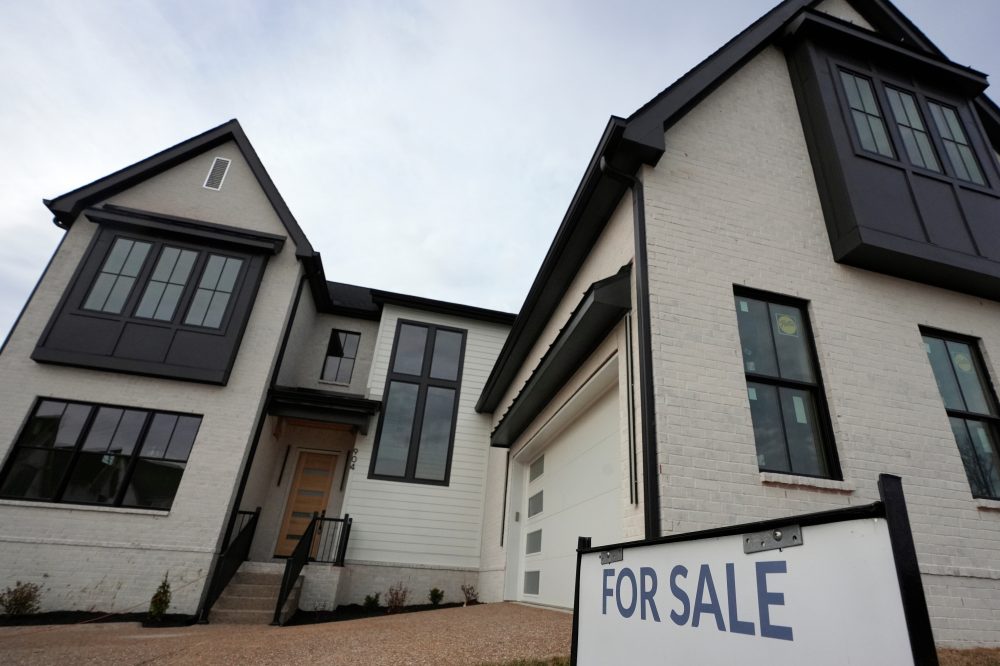

Home loan costs climbed higher this week, making it more expensive for potential buyers to finance purchases during the busy spring real estate season.
Mortgage giant Freddie Mac reported Thursday that the standard 30-year fixed-rate home loan increased to 6.3% from the previous week’s 6.23%. Despite this week’s jump, rates remain below last year’s average of 6.76% during the same period.
This week’s climb halts a three-week period of declining rates, returning borrowing costs to levels seen two weeks earlier.
Homeowners looking to refinance also face higher costs, as 15-year fixed-rate mortgages climbed to 5.64% from 5.58% the week before. Freddie Mac noted this rate stood at 5.92% one year ago.
Several economic forces drive home loan pricing, including Federal Reserve policy choices and bond market investor sentiment regarding economic growth and rising prices.
The weekly increase in 30-year loan costs mirrors movement in 10-year Treasury bond yields, which banks use as a benchmark for setting home loan prices.
Thursday’s midday bond trading showed the 10-year Treasury yield at 4.39%, climbing from 4.34% seven days earlier. This yield was just 3.97% in late February, before Middle East conflict erupted.
Just weeks ago in February, 30-year mortgage costs had dropped below 6% for the first time since late 2022. Rates haven’t returned to that level since regional tensions began, driving energy costs higher and sparking inflation concerns.
Ongoing conflict has kept both bond yields and mortgage costs unpredictable.
Rising oil prices influenced the Federal Reserve’s Wednesday announcement to maintain current interest rate levels rather than implementing cuts.
Though the central bank doesn’t directly control mortgage pricing, its short-term rate decisions closely influence bond investor behavior and ultimately impact 10-year Treasury yields.
Lower rates could stimulate economic activity, but they also risk accelerating inflation, which might push mortgage costs even higher.
Recent fluctuations in home loan costs have created uncertainty for the spring buying season.
America’s housing market has struggled since 2022, when mortgage rates began climbing from pandemic-era lows. Previously owned home sales remained essentially unchanged last year, hitting a 30-year bottom. Sales have continued to lag this year, with January, February and March showing declines compared to the same months last year.