
BRUSSELS — A historic trade agreement linking the European Union with four South American nations will officially launch May 1, following more than 25 years of complex negotiations amid growing global economic tensions from tariffs, mineral restrictions, and ongoing conflicts in Iran.
The European Commission announced Monday that the EU-Mercosur trade pact received its final approval after Brussels received formal notification from Paraguay confirming the country’s ratification. This agreement represents a cornerstone of the 27-member EU’s broader strategy to reduce economic reliance on China and the United States.
Legislative bodies in Uruguay, Brazil, Paraguay, and Argentina have all given their approval to the arrangement, which encompasses over 700 million people and represents 25% of worldwide economic output. Bolivia, which recently joined Mercosur, was not part of the original negotiations but may participate in the agreement in future years.
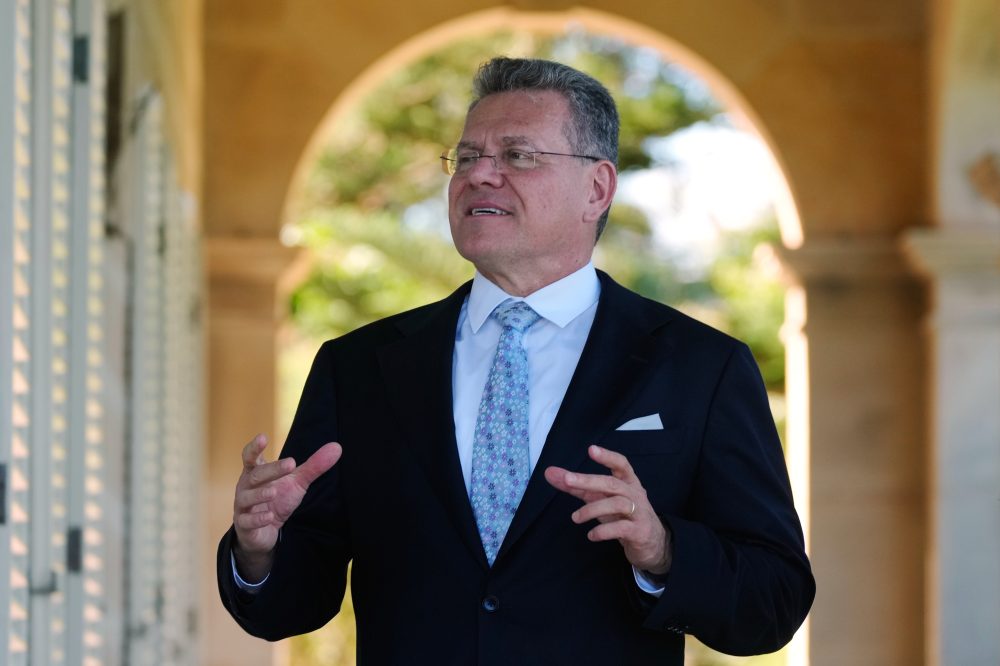
“The priority now is turning this EU-Mercosur agreement into concrete outcomes, giving EU exporters the platform they need to seize new opportunities for trade, growth and jobs,” said European trade commissioner Maroš Šefčovič.
Strong resistance from agricultural groups and environmental advocates caused significant delays to the agreement in December. Additional complications arose when EU legislators voted to refer the deal to the bloc’s legal system for review. The EU’s executive branch responded by deciding to implement the agreement on a temporary basis, essentially bypassing the European Parliament.
This approach means commercial activity will commence in May and will only cease if the European Court of Justice issues an unfavorable ruling.
French President Emmanuel Macron described this strategy as “a bad surprise.” France and Poland had spearheaded efforts to block or modify the agreement with additional protections for consumers and farming interests.
European Commission President Ursula von der Leyen has dismissed such objections to an agreement she characterizes as essential for the EU’s future in an increasingly unstable global environment.
“This is about resilience, this is about growth, and Europe shaping its own future,” she told a news conference in February. Recently, she has not taken questions about the issue.
Von der Leyen is currently visiting Australia this week for discussions regarding a possible trade agreement, defense collaboration, and critical mineral supply arrangements.