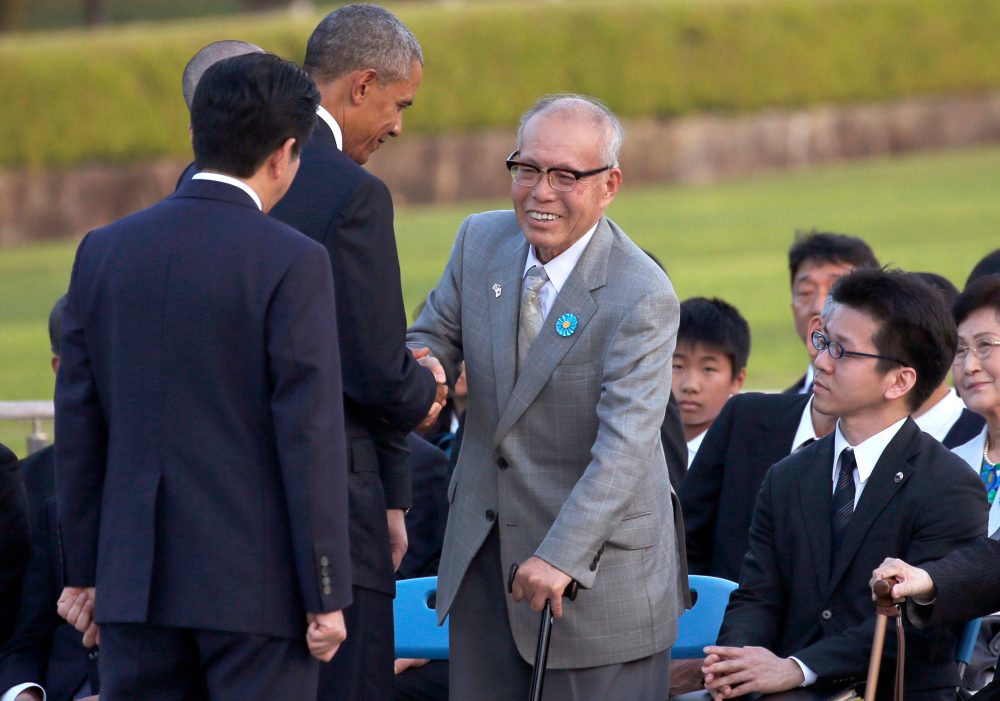

TOKYO – Shigeaki Mori, the Japanese historian who survived the atomic bombing of Hiroshima and gained worldwide recognition when President Barack Obama embraced him during a landmark 2016 visit, has passed away at age 88.
Mori was just 8 years old in 1937 when he lived through the devastating August 6, 1945 atomic blast while located just 1½ miles from ground zero. Three decades later, he discovered a tragic irony – American prisoners of war detained in Japan had also perished in the bombing carried out by their own nation.
While maintaining his regular job at a company, Mori dedicated himself to investigating both American and Japanese government records. Through his painstaking research, he identified 12 American POWs who died in the attack and reached out to their grieving families in the United States, many of whom had never learned the circumstances of their relatives’ deaths.
The atomic strike on Hiroshima immediately leveled the city and claimed tens of thousands of lives. By year’s end, the death count reached 140,000. The subsequent bombing of Nagasaki resulted in another 70,000 fatalities.
In 2008, Mori published his findings in a Japanese book titled “The Secret of the American POWs Killed by the Atomic Bomb.” The work earned him the distinguished Kikuchi Kan Prize and was subsequently published in English translation.
According to the English edition’s publishers, Mori passed away on Sunday. Japanese news outlets confirmed he died at a hospital in Hiroshima.
His decades of investigation ultimately resulted in official U.S. acknowledgment of the 12 American servicemen’s deaths in the bombing.
“The research I spent more than 40 years was not about people from the enemy country. It was about human beings,” Mori reflected in later years.
When Obama made history in 2016 as the first sitting U.S. president to visit Hiroshima’s Peace Memorial Park, he referenced “a dozen Americans held prisoner” among the bombing victims in his address. Obama praised Mori for reaching out to the American families, recognizing that their grief matched his own experience, and concluded their meeting with an emotional embrace.