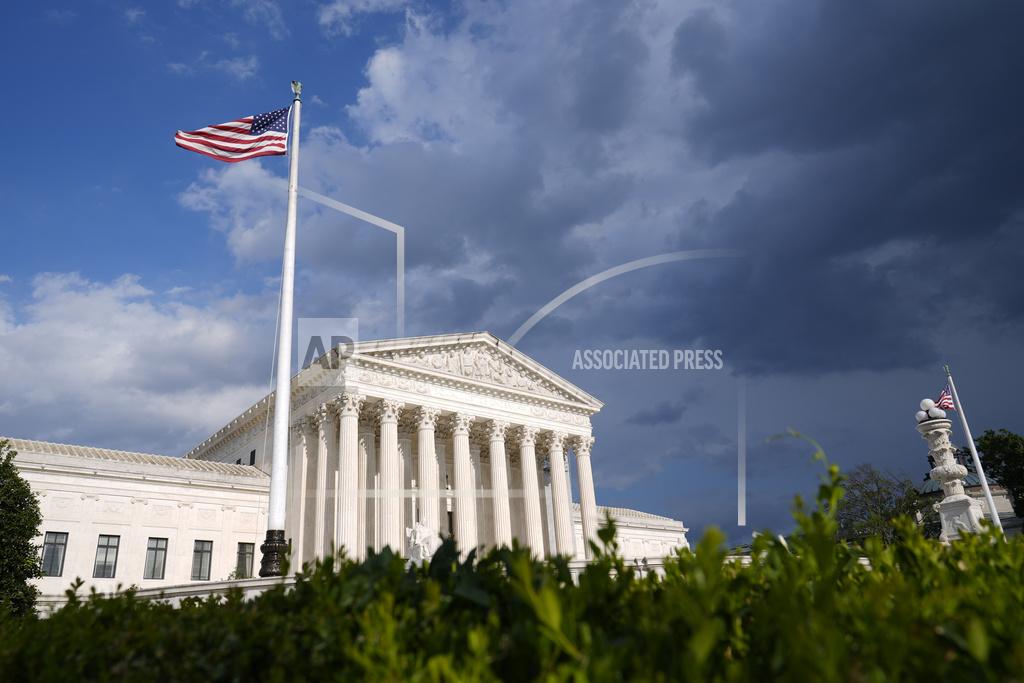

WASHINGTON — On Wednesday, the nation’s highest court examined arguments regarding President Trump’s executive directive that challenges automatic citizenship for certain children born on American soil. The order, issued January 20, 2025, during Trump’s inaugural day back in the presidency, conflicts with the 14th Amendment established after the Civil War and an 86-year-old federal statute that has long been interpreted to grant citizenship to virtually all individuals born within U.S. borders, excluding only children of foreign diplomats and enemy forces. To date, every judicial body that has reviewed this directive has deemed it unlawful and blocked its implementation.
This push to eliminate birthright citizenship represents one component of the Trump administration’s comprehensive immigration enforcement strategy, which encompasses increased deportation operations, reduced refugee admissions, and halted asylum processing at the border.
The matter represents another challenge for the Supreme Court, which has previously permitted certain immigration restrictions to proceed after lower courts initially halted them. The current case originated in New Hampshire, where federal District Judge Joseph N. LaPlante determined the executive order “likely violates” both constitutional principles and existing federal statutes.
The opening language of the 14th Amendment’s Citizenship Clause establishes citizenship for “all persons born or naturalized in the United States, and subject to the jurisdiction thereof.” The legal dispute centers on interpreting the concluding phrase regarding jurisdiction, language that also appears in citizenship legislation from 1940 and 1952.
Trump’s position, outlined in his directive called “Protecting the Meaning and Value of American Citizenship” and supported by certain conservative legal experts, argues that individuals residing illegally or temporarily in the country fall outside U.S. “jurisdiction” and consequently their American-born children should not receive citizenship.
Solicitor General D. John Sauer wrote that the court should utilize this case to correct “long-enduring misconceptions about the Constitution’s meaning.”
Sauer drew parallels between this case and pivotal Supreme Court decisions, including the groundbreaking 1954 Brown v. Board of Education ruling that ended school segregation and the significant 2008 Heller decision that established an individual constitutional right to possess firearms for personal protection.