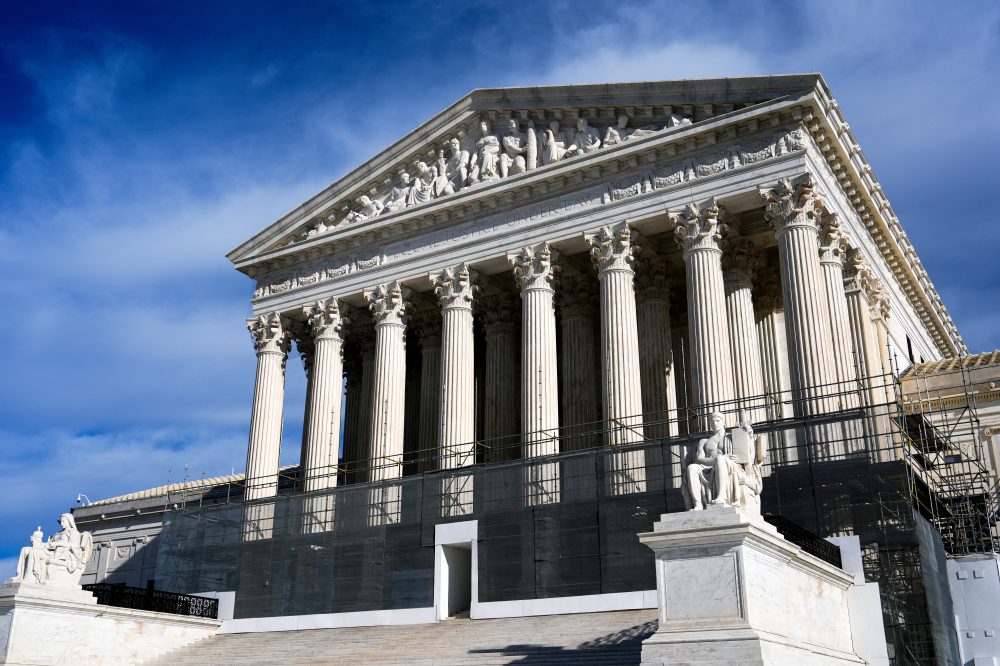

WASHINGTON — The nation’s highest court delivered a split decision Tuesday, determining that citizens have no legal recourse against the U.S. Postal Service when workers deliberately withhold their mail.
The narrow 5-4 decision rejected the case brought by Lebene Konan, a Texas property owner who claimed postal employees intentionally blocked her mail delivery for a two-year period. Konan, who is African American, argued that racial discrimination motivated the postal workers’ conduct.
Writing for the conservative majority, Justice Clarence Thomas stated that existing federal legislation protecting the Postal Service from litigation over missing or undelivered correspondence also covers “the intentional nondelivery of mail.”
Justice Sonia Sotomayor penned the dissenting opinion, arguing that while lawsuit protections are extensive, they shouldn’t apply when mail delivery decisions stem from “malicious reasons.” Justice Neil Gorsuch sided with the three liberal justices in opposition.
The Trump administration’s legal team had cautioned that siding with Konan could trigger an avalanche of similar legal challenges against the financially struggling postal system.
Konan works as both a real estate professional and insurance representative. She accused two workers at the Euless, Texas post office in the Dallas-Fort Worth area of deliberately blocking mail delivery to her and her rental tenants due to what she claims was their disapproval of her race and property ownership.
Court filings reveal the conflict started when Konan found that her rental property’s mailbox key had been replaced without notification, blocking her access to tenant correspondence. Post office staff demanded proof of ownership before providing a replacement key or resuming delivery service. Despite Konan’s compliance and direct orders from the USPS inspector general to restore service, the mail delivery issues persisted.
According to Konan’s allegations, postal employees labeled mail as undeliverable or marked it for return to sender. She and her tenants missed critical correspondence including utility bills, prescription medications, and vehicle titles. Konan also reported losing rental revenue when tenants relocated due to the ongoing mail problems.
Following numerous unsuccessful complaints to postal authorities, Konan pursued legal action through the 1946 Federal Tort Claims Act, which permits certain government lawsuits. The Supreme Court case centered on how far the postal service’s special legal protections extend.