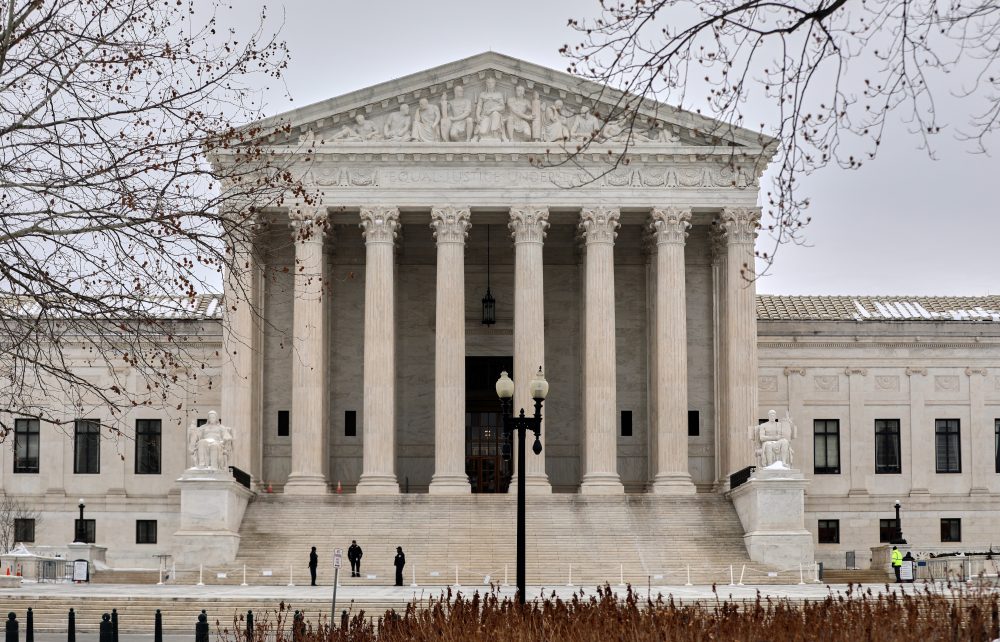

WASHINGTON — The nation’s highest court has given the green light to a religious freedom lawsuit on Friday, allowing an evangelical preacher to challenge local demonstration rules in Mississippi.
In a unanimous decision, the justices ruled that Gabriel Olivier can move forward with his case after being prohibited from demonstrating and subsequently arrested. Olivier maintains that his constitutional rights to free speech and religious expression were trampled when law enforcement forced him to relocate his preaching activities away from a suburban amphitheater.
City officials in Brandon defended their actions, stating that Olivier had used a loudspeaker to call people derogatory names including “whores,” “Jezebel,” and “nasty.” They also noted he displayed graphic signs depicting aborted fetuses during his demonstrations.
Olivier sought to contest the local ordinance as a violation of First Amendment protections, but earlier court decisions blocked his ability to file suit due to his criminal conviction under the same law. Previous Supreme Court precedent from the 1990s established that individuals cannot use civil litigation to overturn their criminal convictions.
However, Olivier’s legal team argued their client’s goal was simply to prevent future application of the restriction against him. They contended he was conducting a peaceful demonstration when authorities arrested him for declining to relocate to a city-designated “protest zone.” His attorneys emphasized that this legal issue impacts free speech cases spanning the entire political landscape.
While Friday’s ruling opens the door for Olivier to pursue a civil rights case, it does not ensure he will ultimately prevail in court. Municipal governments have expressed concern that a favorable outcome for Olivier could trigger a wave of similar legal challenges against cities and towns nationwide.
Brandon city officials maintain their restrictions were not religiously motivated and that Olivier had multiple other legal options available to contest the ordinance. City lawyers noted that the protest zone requirement has already withstood a previous court challenge.