
WASHINGTON — The Department of Health and Human Services faced a deepening leadership crisis this week as multiple top positions remained vacant across the nation’s key health agencies.
At the start of the week, no Senate-confirmed surgeon general was in place. The director of the National Institutes of Health was simultaneously serving as interim leader of the Centers for Disease Control and Prevention. The Food and Drug Administration was operating without a permanent vaccine director after that position was vacated twice within twelve months.
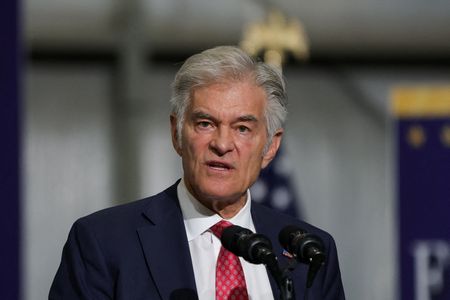
The situation deteriorated further Tuesday when Dr. Marty Makary stepped down from his role as FDA commissioner, creating yet another vacancy at a critical health agency. Makary’s exit has expanded the leadership void that has characterized HHS during Health Secretary Robert F. Kennedy Jr.’s time in office.
While government agencies commonly experience delays in filling Senate-confirmed positions, especially when partisan control margins are slim, health experts argue the current level of instability at HHS is extraordinary and troubling given the lack of scientific credentials among remaining leaders.
“It’s a sign that something is not right in this department,” said Dr. Daniel Jernigan, a former senior employee at the CDC.
The leadership problems have been worsened by widespread staff reductions and terminations, along with broader disruptions caused by Kennedy’s health policy initiatives, according to critics.
HHS did not provide an immediate response to requests for comment Wednesday.
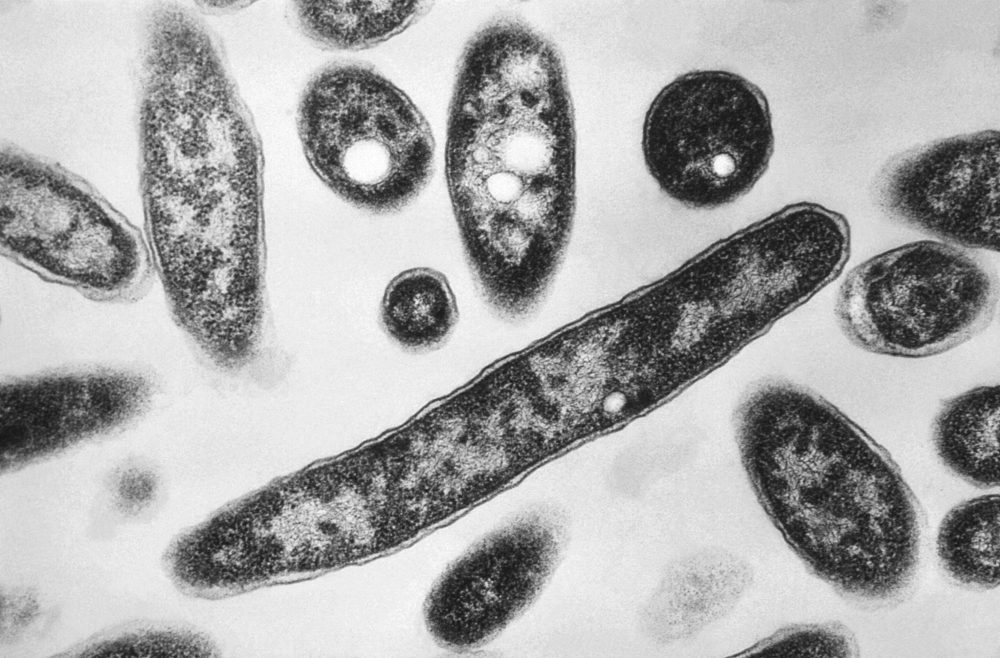
Kathleen Hall Jamieson, who directs the Annenberg Public Policy Center at the University of Pennsylvania, noted that most citizens ignore these agencies’ leadership until health emergencies emerge — such as the current hantavirus outbreak. These critical moments offer chances to rebuild public confidence in federal health institutions, which has declined in recent years, she explained.
“The key question for me is, when we need these agencies to speak, will they have the capacity to draw the science together and tell us what we need to know?” Jamieson said.
Makary’s departure from the FDA leaves several important projects incomplete, including ongoing evaluations of ultra-processed foods, artificial food coloring, antidepressant medications, and coronavirus vaccines.
The next permanent FDA leader will face the same difficult challenge that complicated Makary’s time in office: finding balance between traditional Republican anti-regulation views and Kennedy’s anti-corporate agenda, which emphasizes examining ingredients in food products, medications, and vaccines.
The agency is currently developing an unprecedented definition for “ultra-processed foods,” which Kennedy links to increased rates of diabetes, obesity, and other chronic health problems in America. This responsibility now belongs to the FDA’s deputy commissioner for foods, Kyle Diamantas, who recently called the ultra-processed foods project “really hard” during a health conference.
Trump selected Diamantas to serve as interim FDA head. He also works as a senior advisor to Kennedy. As an attorney and associate of Donald Trump Jr., Diamantas becomes the first FDA leader in over fifty years without medical or scientific education.
“Kyle Diamantas now has a nearly impossible charge,” said Dr. Peter Lurie, a former FDA official now at the Center for Science in the Public Interest. “Leading, as a non-scientist, a science-based agency under an unqualified secretary who puts his own medical and nutritional pet peeves over evidence-based public health.”
The administration initially chose former Florida Representative Dr. David Weldon to direct the CDC, but his March 2025 Senate confirmation hearing was abruptly cancelled one hour before it was scheduled to start. Weldon reported being informed that insufficient senators supported his nomination.
The White House then selected Susan Monarez, who received Senate confirmation but was removed after less than thirty days due to policy disagreements with the administration. Several prominent CDC scientific leaders quit in protest, stating that Monarez’s firing eliminated their hopes that a CDC director could protect the agency’s scientific research and health guidance from political interference.
Following her removal, various HHS officials have served in acting director roles. Jay Bhattacharya, who leads the National Institutes of Health, has supervised the CDC since February. Trump recently nominated Dr. Erica Schwartz, a former deputy surgeon general, for the CDC director position, which requires Senate approval.
Current and former CDC staff members report a shortage of experienced public health leadership at the organization and say Kennedy’s staff have restricted and sometimes blocked the agency’s public communication and comprehensive science-based operations.
HHS representatives have stated that the CDC’s essential public health duties have remained “intact and effective” and that organizational changes represent efforts “to restore credibility through transparency, gold standard science, and accountability.”
Jernigan, who resigned last August from a senior CDC role that still lacks a permanent successor, explained that the leadership changes mean there hasn’t been a “strong, present CDC director” to advocate for crucial agency funding, hiring, or keeping qualified scientists.
During the ongoing hantavirus outbreak response, the CDC sent teams to evacuate and isolate potentially exposed Americans, health officials conducted media briefings, and Bhattacharya appeared on Fox News to reassure the public. However, he provided incorrect information and exaggerated what was actually known about the outbreak at that time. Jernigan recommended allowing more career scientists to communicate with the public.
“That will do more for trust and for calming the nerves of the U.S. right now,” he said.
The leadership upheaval occurs as HHS and the White House have redirected attention toward health programs focused on nutrition, lifestyle, and cost reduction in recent months before midterm elections, publicly moving away from Kennedy’s initial efforts to weaken vaccine recommendations.
Although Kennedy initially celebrated having authority to select his own deputy officials, the administration’s recent appointments suggest that the health secretary’s close supporters may no longer be prioritized.
For instance, last month, after withdrawing a surgeon general candidate connected to Kennedy’s Make America Healthy Again campaign, Trump nominated radiologist and former Fox News contributor Dr. Nicole Saphier. She has promoted vaccines more strongly than Kennedy and has sometimes called current HHS actions “embarrassing.” Her nomination requires Senate confirmation.
Despite the leadership chaos creating uncertainty within federal health agencies, Kennedy has maintained a high profile as their collective spokesperson. This concerns Jernigan, who believes Kennedy doesn’t always prioritize the strongest scientific evidence in his decisions.
“The driver for the secretary is the ideology,” Jernigan said. “And that’s not a strategy for really improving the health of Americans.”