
A frustrated mother in Athens has exhausted every strategy she can think of to reduce her teenage son’s obsession with social media platforms. Georgia Efstathiou, 43, has attempted intimate conversations, designated screen-free periods, and even taking away her 14-year-old’s device entirely, but battles continue to erupt over his attachment to online videos and messaging.
Relief may soon arrive for Efstathiou and countless other struggling parents. Greece’s government is preparing to implement a social media prohibition for youth under 15, adding the country to a growing list of nations attempting to protect children from digital dependency and online harm.
“Ban them, shut them down. We’ve reached our limits… We parents need help,” Efstathiou stated while clutching her son’s device in her Athens home.
The overwhelmed mother represents a widespread sentiment across Greece. A February survey conducted by ALCO revealed approximately 80% of respondents supported such restrictions. Prime Minister Kyriakos Mitsotakis’ administration has previously prohibited mobile devices in educational settings and established parental oversight systems to restrict adolescent screen exposure.
Government officials have refused to discuss specifics about the proposed ban or reveal implementation details and timing.
Reuters initially covered the proposal in February, with sources indicating an official announcement remains forthcoming. Mitsotakis recently informed a Greek-Australian publication that Greece would proceed “in a similar direction to that of Australia,” referencing December legislation requiring social media corporations to exclude users under 16 or face financial penalties.
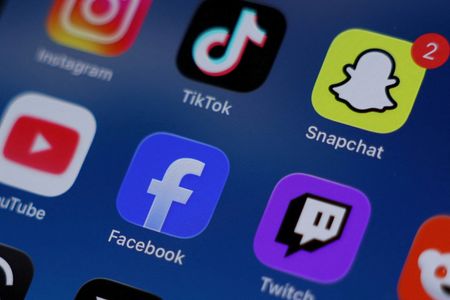
Greece confronts the same challenges with platforms like Meta’s Instagram, TikTok, and gaming websites that nations worldwide are grappling with.
The EU-supported Greek Safer Internet Centre in Athens has documented alarming trends. George Kormas, who operates their support hotline for young cyberbullying victims, reported that calls more than doubled from 2024 to 2025. Additional concerns include minor exploitation, false information distribution, and hostile online communication.
Center statistics show 75% of Greek children accessing social media are elementary school age.
“This undoubtedly worries us, because they cannot handle social media or protect themselves,” Kormas explained.
Athanasios Theocharis, director of the National Organization for the Prevention and Treatment of Addictions, noted that roughly 48% of teenagers have experienced harmful effects from social media usage.
“Clearly (the ban) has the potential to provide a significant degree of protection,” Theocharis stated.
However, parents interviewed by Reuters expressed mixed feelings about losing oversight of their children’s online activities and worry that youth will circumvent restrictions. Some oppose any government involvement entirely.
“I’d prefer a different approach, limiting mobile phone use within the family,” explained Dimitris, 44. “But where that’s not possible, perhaps a ban would work as the extreme remedy.”
His 14-year-old daughter Catherine represents a generation that has never experienced life without digital connectivity.
“It is the way we learned since we were born,” she shared while playing basketball near the Acropolis with her father.
“I can control it — but then again I usually get carried away.”