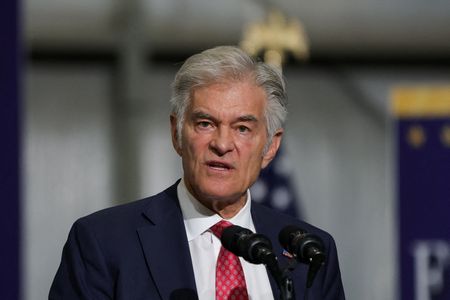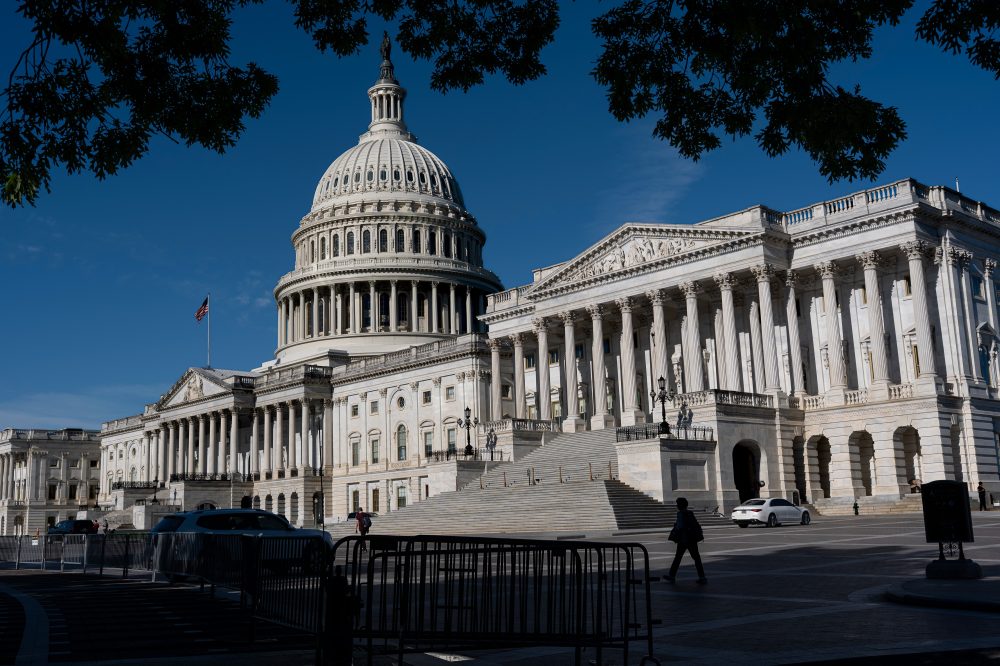

WASHINGTON — Following a closed-door meeting with Secret Service Director Sean Callan on Tuesday, Republican senators expressed concerns about a billion-dollar White House security funding proposal, demanding more specific information about how the money would be allocated.
The comprehensive security plan includes $220 million dedicated to fortifying President Donald Trump’s newly constructed East Wing ballroom. According to documents reviewed by The Associated Press, this portion would fund bulletproof glass installation, drone detection systems, chemical threat filtration and detection equipment, along with various other national security measures.
The security funding request follows charges filed against an individual who allegedly attempted to assassinate Trump during last month’s White House Correspondents Association dinner. Additional funding allocations include $180 million for constructing a new visitor screening facility and $175 million designated for modernizing Secret Service agent training programs to address contemporary security threats.
Multiple Republican senators who attended the lunch meeting criticized the proposal’s lack of specificity. They emphasized wanting comprehensive details about expenditure plans and questioned the timing of the request. While Trump has consistently stated that private donations totaling $400 million would cover ballroom construction costs, the administration had not previously disclosed associated security expenses.
“I want more information,” stated Florida Sen. Rick Scott, who maintains close ties with the president. “I ran companies, okay? If somebody came to me and said they were going to spend a billion dollars on something, I’d get more detail.”
Senate Appropriations Committee Chairwoman Susan Collins of Maine questioned why these security enhancements weren’t included in Trump’s earlier budget submission this year. She indicated requesting “a lot more data” during the meeting.
Indiana Sen. Todd Young expressed willingness to support the initiative while noting, “they need to go back and get us more detail about how exactly they arrived at the figures.”
Republican leadership has incorporated the security funding into a partisan spending measure aimed at restoring immigration enforcement agency budgets. Internal party skepticism regarding the White House funding could potentially threaten the legislation, which GOP leaders hope to advance without Democratic support.
Additional Secret Service requests include $175 million for “enhancements for protectee security,” $150 million addressing “evolving threats and technology” such as drone countermeasures and airspace protection, and $100 million for securing high-profile “events of national significance.”
Senate Democratic Leader Chuck Schumer announced plans to challenge the security funding through the Senate parliamentarian and propose amendments forcing Republican votes on the proposal if it remains in the legislation.
“How many Americans want to see a billion dollars for a ballroom and not for the cost of child care and groceries?” Schumer questioned Tuesday.
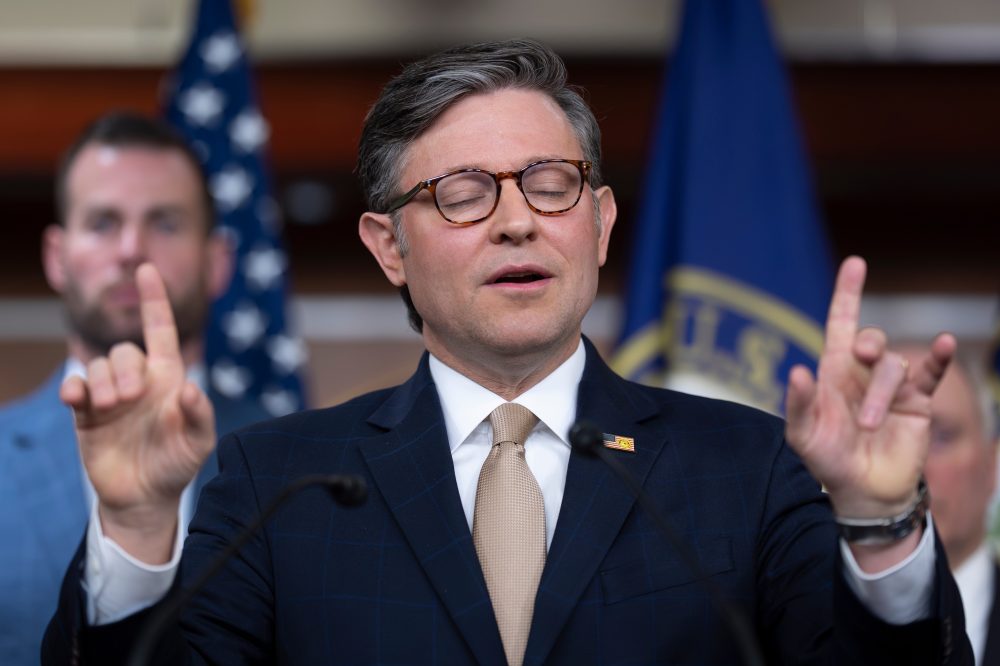
Speaker Mike Johnson of Louisiana also participated in the Senate Republican lunch, with some House Republican members similarly expressing reservations about the billion-dollar proposal.
Facing pushback from Democrats and some Republicans, South Dakota Republican Sen. Mike Rounds suggested potentially reducing the security plan’s scope, deferring portions to future annual spending legislation.
However, Rounds indicated Republicans might ultimately approve the complete request after receiving additional details.
“I think as more of the information begins to come out, I think people are going to feel a lot more comfortable with what they are requesting,” Rounds explained.