
Recent court decisions this week have reinforced long-held worries about social media’s impact on children, yet America continues to operate without comprehensive federal oversight addressing these issues.
A Los Angeles jury ruled Wednesday that both Meta and YouTube bear responsibility for damages to children who used their platforms. The previous day in New Mexico, jurors concluded that Meta deliberately caused harm to young users’ mental well-being while hiding information about child sexual exploitation occurring on its networks.
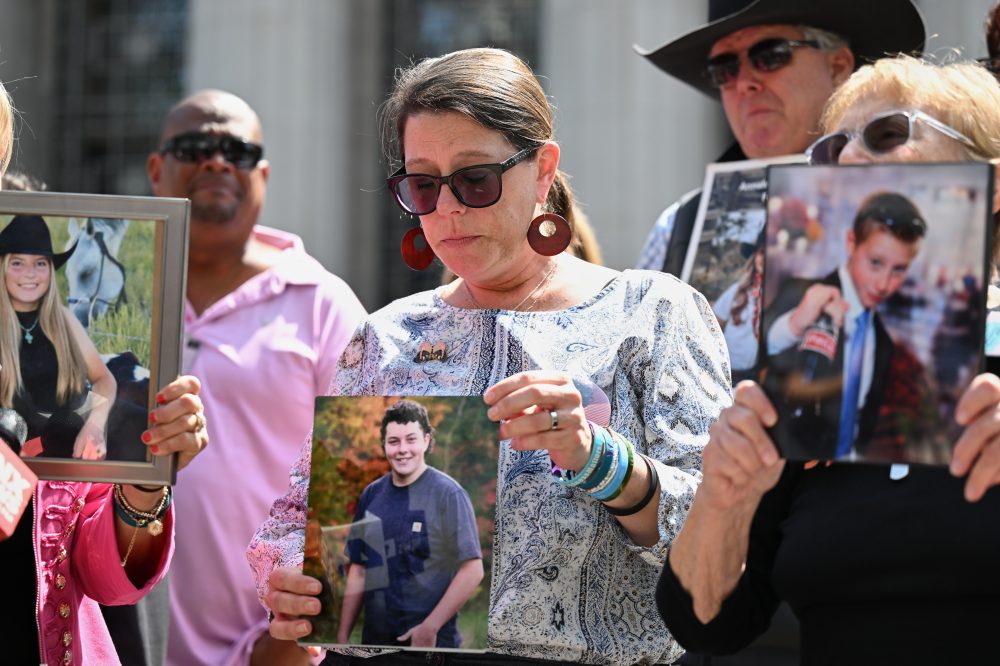
While parents and child advocacy groups celebrated these rulings, they contend that meaningful reform from companies like Instagram, YouTube and TikTok remains unlikely without federal oversight to control these corporations. Many are placing their faith in the Kids Online Safety Act, legislation designed to safeguard minors from social media, gaming websites and other digital platform dangers. The Senate passed this measure in 2024, but it has stalled since then.
Meanwhile, nations across the globe have enacted or are developing extensive limitations on children’s internet usage, from complete social media prohibitions to mandating that younger teenagers connect their profiles to parental accounts. Here’s an examination of how other countries are controlling youth technology access.
Australia made history in 2024 as the first nation to ban children under 16 from social media entirely. This legislation holds platforms such as TikTok, Facebook, Snapchat, Reddit, X and Instagram accountable for penalties reaching 50 million Australian dollars ($34 million) if they allow users younger than 16 to maintain accounts. Though many parents have applauded this action, some specialists question whether age verification systems work effectively (platforms aren’t mandated to request government identification) and worry about impacts on young people’s freedom of expression, social relationships and privacy. Opponents also worry the restriction will affect privacy for all users who must demonstrate they’re over 16.
Brazil implemented new legislation this month aimed at protecting minors from addictive, violent and explicit online material, with specialists describing it as a significant advancement in youth protection.
The Brazilian law requires children under 16 to connect their social media profiles to a legal guardian for monitoring purposes. The rules also ban platforms from employing addictive elements like endless scrolling and automatic video playback. Digital companies must also establish robust age verification systems that go beyond simple self-reporting.
Indonesia is adopting Australia’s approach with its own social media ban for children under 16 starting this month.
These new rules will prevent children under 16 from maintaining accounts on “high-risk” digital services, including YouTube, TikTok, Facebook, Instagram, Threads, X, Bigo Live and Roblox.
The rollout begins gradually from March 28 until complete platform compliance is achieved.
Indonesia becomes Southeast Asia’s first country to limit children’s social media access.
Beginning in January 2025, major social media and messaging services with at least 8 million Malaysian users must obtain licensing as part of increased government digital platform supervision. Licensed services must establish age verification, content safety protocols and transparency requirements, demonstrating the government’s commitment to creating safer digital environments. Malaysia also intends to prohibit social media access for children under 16 this year.
Spanish Prime Minister Pedro Sánchez declared in February that his country will restrict social media access for children under 16, aiming to protect young people from harmful online material.
France passed legislation in January prohibiting social media for children under 15, setting the stage for implementation at the beginning of the next academic year in September. This bill also bans mobile phone usage in high schools. The French government had previously enacted laws prohibiting phone use in all elementary and middle schools.
Denmark has passed comparable legislation banning social media access for users under 15, while the United Kingdom announced last month it would explore prohibiting young teenagers from social media platforms as it strengthens laws protecting children from dangerous content and excessive screen exposure.