
WASHINGTON — Global economic prospects have taken a hit from the recent Iran conflict, and the damage will persist regardless of whether this week’s ceasefire agreement remains intact, according to the International Monetary Fund’s top official.
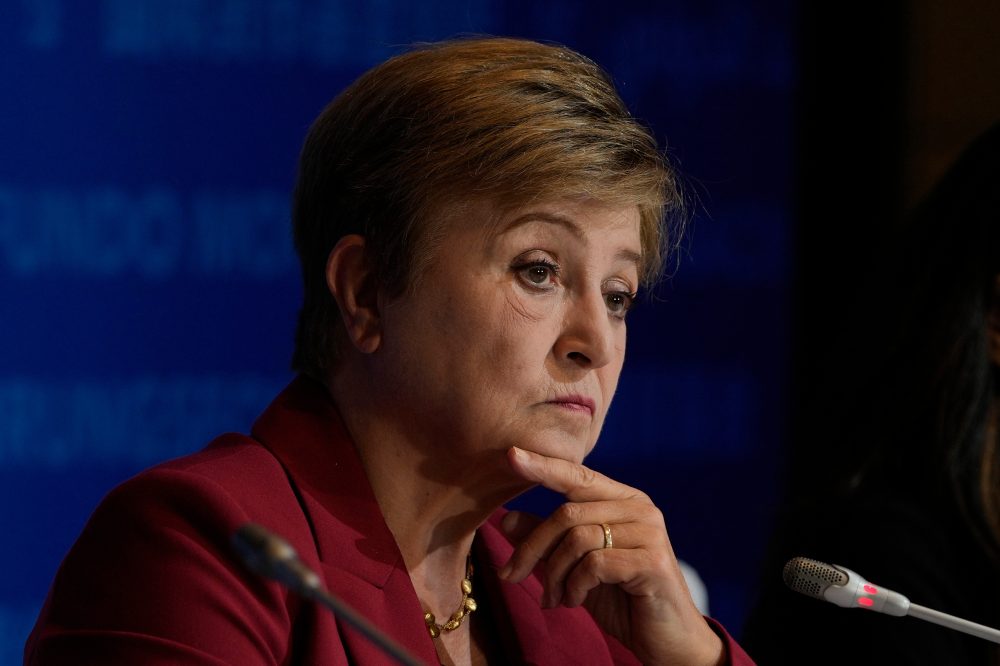
Kristalina Georgieva, the IMF’s Managing Director, announced Thursday that the organization plans to reduce its worldwide economic projections when new forecasts are released next week.
“Had it not been for this shock, we would have been upgrading global growth,” Georgieva stated during comments made before the upcoming IMF-World Bank spring meetings. “But now, even our most hopeful scenario involves a growth downgrade.”
Global economic conditions had shown strength despite President Donald Trump’s implementation of comprehensive import taxes across most nations last year. The 191-member IMF had boosted its worldwide growth projection to 3.3% in January and was preparing for another increase when Tuesday’s new predictions are unveiled.
However, the conflict that started February 28 altered the economic landscape entirely. The warfare has pushed up costs for oil and natural gas, harmed energy facilities including refineries and shipping terminals, interrupted fertilizer deliveries essential for global agriculture, and shaken business and consumer confidence.
On Tuesday, the United States and Iran declared they had achieved a ceasefire agreement, following Trump’s warning that without it “a whole civilization will die tonight.”
Despite this development, Georgieva emphasized Thursday that “growth will be slower—even if the new peace is durable.”
According to Georgieva, Sub-Saharan Africa and small island nations face the greatest risk from the energy crisis. Worldwide, government capacity to boost their economies through increased spending and reduced taxes remains constrained due to existing high debt levels.
She observed that numerous nations have implemented measures to minimize harm from the energy crisis, including promoting or mandating remote work arrangements, supporting greater public transit usage, and restricting government employee travel.
Georgieva urged policymakers to “be careful not to make things worse” through “go-it-alone” actions like export restrictions and price control measures. “Don’t pour gasoline on the fire,” she cautioned.