
LONDON — While staying out of direct military involvement, European nations stepped up diplomatic pressure Thursday to help stabilize a fragile ceasefire and resolve the escalating conflict between the United States, Israel and Iran.
The ongoing conflict has created a difficult balancing act for European allies, who must navigate their NATO commitments to America while facing criticism from President Donald Trump for their limited military participation and restricted use of European bases.
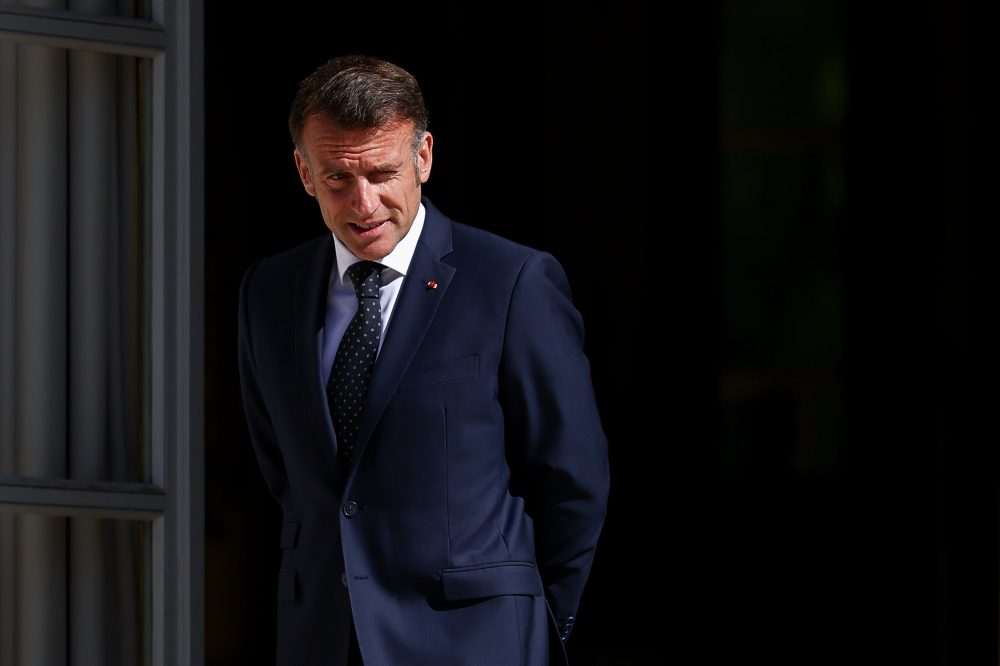
French President Emmanuel Macron has been among the most vocal in defending Europe’s position, stating last week that America cannot criticize the lack of support “in an operation they chose to undertake alone” without consulting allies.
A temporary two-week truce brokered by Pakistan was agreed to by Trump on Tuesday after he had warned that “a whole civilization will die tonight.” The agreement was designed to stop hostilities and reopen the critical shipping lane essential for global petroleum transport.
However, Iran shut down the waterway again following Israeli bombardment of Lebanon targeting the Iranian-supported Hezbollah organization. Tehran maintains the ceasefire covers Lebanon, while Washington and Jerusalem reject this interpretation.
Tehran has also faced sharp condemnation for insisting on toll collection rights before agreeing to reopen the Hormuz passage.
Here’s how European officials are responding to the crisis:
Leaders from France, Italy, Germany, Britain, Canada, Denmark, the Netherlands, Spain and the European Union issued a Wednesday statement “strongly encourage quick progress towards a substantive negotiated settlement.” Additional support came from Norway, Sweden, Greece and Finland.
“This will be crucial to protect the civilian population of Iran and ensure security in the region,” their joint declaration stated, adding it “can avert a severe global energy crisis.”
Macron, who held conversations Wednesday with both Iranian President Masoud Pezeshkian and Trump, urged “each of the belligerents” to honor the ceasefire completely and begin comprehensive peace talks.
European officials collectively demanded the truce extend to Lebanon following Wednesday’s bloodiest violence there, which claimed nearly 200 lives.
German Chancellor Friedrich Merz warned that “the severity with which Israel is waging war there could cause the failure of the peace process as a whole, and that must not happen.”
British Foreign Secretary Yvette Cooper expressed being “deeply troubled” by Israel’s offensive and warned that any ceasefire excluding the small nation could “destabilize the whole region.”
“That escalation that we saw from Israel yesterday, I think, was deeply damaging and we want to see an end to hostilities in Lebanon,” Cooper stated to Times Radio.
Spanish Prime Minister Pedro Sánchez, who has emerged as Europe’s harshest critic of American and Israeli military actions, called for the European Union to halt its association agreement with Israel.
“His contempt for life and international law is intolerable,” Sánchez posted on X regarding Israeli Prime Minister Benjamin Netanyahu. “The international community must condemn this new violation of international law.”
French Foreign Minister Jean-Noël Barrot announced Thursday that European and other allies were completing preparations for naval forces to protect ships through the strait once combat truly ceases.
Macron indicated approximately 15 countries are prepared to join such an operation.
Italian Premier Giorgia Meloni cautioned Parliament that any Iranian additional fees in the Strait of Hormuz would create “unpredictable economic consequences.”
“Full restoration of freedom of movement in the Strait of Hormuz is needed, and it must not be subject to any restrictions, as appears to have happened in recent hours,” she declared.
Cooper emphasized it’s “crucial” Iran not be permitted to impose tolls on the strait.
Chancellor Merz confirmed Germany would help ensure unrestricted shipping returns, though officials declined to specify what form that assistance might take.
Trump has alarmed NATO members by again suggesting America might withdraw from the military alliance, this time expressing frustration that the organization hasn’t supported the United States.
Trump called allies “cowards” and labeled NATO “a paper tiger.” Following his Wednesday White House meeting with NATO Secretary-General Mark Rutte, Trump declared NATO had failed America and wouldn’t provide future support when needed.
Merz described Thursday how the conflict had created a “trans-Atlantic stress test” and expressed concern about further damaging U.S.-European NATO relationships.
“We don’t want, I don’t want a split in NATO,” Merz stated. “NATO is a guarantor of our security, also and above all in Europe. We must continue to keep a cool head here.”