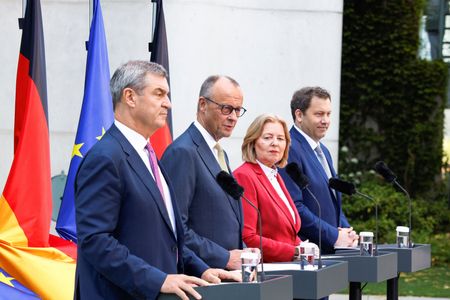

BERLIN — Facing intense political scrutiny, German Chancellor Friedrich Merz’s governing coalition announced a broad set of policy reforms Thursday that includes approximately €10 billion ($11 billion) in yearly tax relief aimed at lower-income workers, along with changes to the country’s pension structure and efforts to expand affordable housing.
Merz and his coalition partners have been under considerable pressure to deliver results, as polling shows the coalition trailing behind the far-right Alternative for Germany party. The chancellor has also faced challenges navigating internal disagreements within the coalition that have slowed his ability to build political momentum.
Speaking to reporters Thursday, Merz struck a determined tone. “We want to get Germany back on track,” he said.
The reform package covers a wide range of issues and is designed to reduce bureaucratic red tape across multiple sectors. Among the measures included are an action plan to combat benefit fraud, the elimination of workers’ ability to obtain sick leave documentation over the phone, and a target to reduce staffing levels at federal ministries by 8% through increased digitization of government services.
To help pay for the tax relief benefiting lower earners, the government plans to raise the top income tax rate from 45% to 47% for individuals earning €280,000 or more annually.