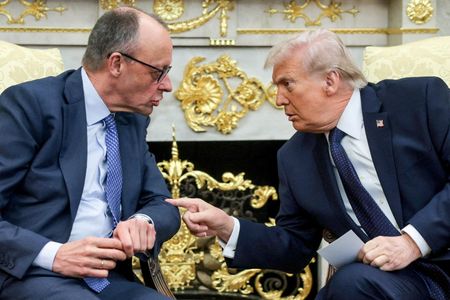

German Chancellor Friedrich Merz emphasized Saturday that European nations remain committed to preserving NATO’s effectiveness, even as disagreements with the Trump administration over the Iran conflict have created new strains within the alliance.
Speaking during a press conference in Stockholm alongside Swedish Prime Minister Ulf Kristersson, Merz addressed mounting concerns about NATO’s future amid escalating disputes between Washington and European partners.
Relations have deteriorated significantly after Germany and several other European nations declined to back the U.S. and Israeli military campaign against Iran that started in late February. These tensions add to existing friction over defense spending requirements and immigration policies that Trump has previously criticized.
“We are really willing to keep this alliance alive for the future,” Merz stated during the joint appearance. He noted that both Sweden and Finland have bolstered NATO’s European component.
“We know that there are some differences. We know that we are seeing challenges, all of us, but our final goal is to bring this conflict to an end and to guarantee that Iran is not able to produce nuclear weapons,” the German leader explained.
“And this goal is a common goal between America and Europe,” he added.
The relationship between Germany and the U.S. has become particularly strained after Merz criticized Iran for “humiliating” America last month. In response, Trump ordered the withdrawal of 5,000 American troops and canceled plans to deploy long-range Tomahawk missiles.
Merz downplayed the significance of troop reductions, arguing that “unity of purpose” matters more than numbers. He maintained that having a robust European NATO presence serves American interests.
“We are remaining interested and highly interested in having the American army and the American military support on our side,” he said. “So this is something we are having in common and we are trying to achieve that currently.”
European nations, including Germany, are investing heavily in military modernization after years of reduced defense spending, responding to what Merz described earlier Saturday as an immediate Russian threat to Europe.
His comments came as Russian President Vladimir Putin participated in Moscow’s annual parade commemorating the Soviet victory over Nazi Germany in World War Two. Merz expressed disappointment that Slovakian Prime Minister Robert Fico had reportedly planned to attend the ceremony, saying he intended to discuss “this day in Moscow” with the Slovak leader.
However, while Fico did travel to Moscow, he ultimately chose not to participate in the parade itself.