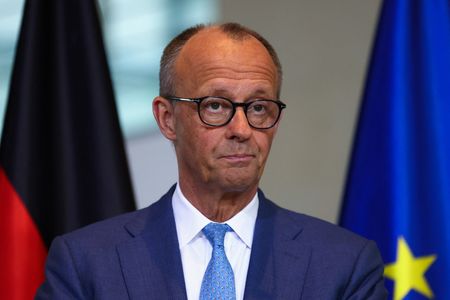

BERLIN – Leaders within German Chancellor Friedrich Merz’s coalition government committed Tuesday to working through their disagreements on major policy reforms following weeks of internal conflict that has raised questions about the administration’s stability.
With Wednesday marking one year since Merz took office as chancellor, both his personal approval numbers and support for his conservative Christian Democrats (CDU) along with their coalition partners, the center-left Social Democrats (SPD), have dropped to historic lows.
Finance Minister and SPD leader Lars Klingbeil acknowledged the political damage during a press briefing. “There’s no point in trying to get around it: trust in politics has declined,” Klingbeil stated. “The dispute, and particularly the heated debate of recent weeks, has also done us harm as a coalition and as a government.”
Germany’s economy showed signs of recovery late last year after enduring two years of recession, but that fragile growth now faces threats from energy disruptions caused by conflict with Iran and new American tariffs affecting the country’s automotive sector, which already faces intense pressure from Chinese competitors.
Recent polling data reveals the far-right Alternative for Germany (AfD) party leading the CDU by as much as five percentage points, while the SPD finds itself competing with the opposition Green party for third place following poor showings in two state elections this year.
A forthcoming survey in the business publication Handelsblatt indicates that 73% of German citizens question Merz’s ability to handle economic matters – an area previously considered among his strongest qualifications.
When Merz assumed power twelve months ago, he promised to strengthen Germany’s military capabilities after years of underfunding and to reform the country’s pension, tax, welfare and healthcare systems to address mounting fiscal pressures.
However, these anticipated reforms have stalled due to disagreements between the SPD and CDU regarding tax policy, spending priorities and social welfare programs, with both parties blaming each other for refusing to find middle ground.
Resistance from members of Merz’s own party forced him to retreat on pension reform proposals late last year, leading him to establish a special commission to develop new recommendations in order to avoid a parliamentary defeat.
Critical decisions about retirement age requirements, contribution rates and benefit amounts remain unresolved.
The country’s statutory health insurance program, which faces funding shortfalls projected to reach tens of billions of euros in the coming years, also requires attention, along with long-awaited tax changes designed to boost employment and stimulate investment.
Government officials have highlighted increased defense expenditures and significant reductions in unauthorized immigration and asylum approvals over the past year as notable accomplishments. However, economic weakness and reform disputes have overshadowed these positive developments.
CDU parliamentary leader Jens Spahn expressed frustration with the coalition’s public image. “Many of our achievements have been overshadowed by too much public controversy and squabbling, particularly in the weeks since Easter,” Spahn commented.
“We must and want to break free from it and return to working together within this coalition,” he added.