
Crude oil markets experienced significant gains during early Sunday trading following the United States’ declaration that it will implement a naval blockade of Iranian ports starting Monday.
American crude jumped 8% to reach $104.24 per barrel, while Brent crude, which serves as the global benchmark, climbed 7% to $102.29.
Throughout the ongoing Iran conflict, Brent crude has experienced volatile swings, climbing from approximately $70 per barrel prior to the late February war outbreak to peaks exceeding $119. Friday’s trading session saw June delivery Brent decline 0.8% to $95.20 per barrel ahead of scheduled peace negotiations.
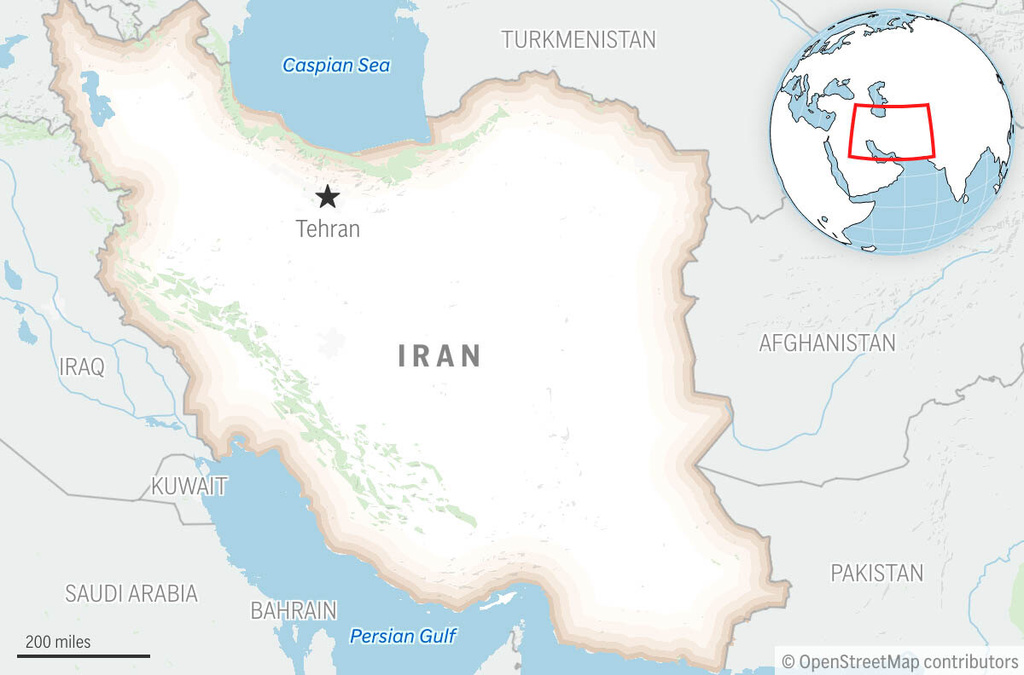
Iranian forces have maintained effective control over the Strait of Hormuz, a critical passage for international oil transportation.
According to U.S. Central Command, the naval blockade will be “enforced impartially against vessels of all nations” accessing Iranian ports and coastal regions, encompassing all Iranian facilities along the Persian Gulf and Gulf of Oman.
The military command indicated that vessels traveling between non-Iranian ports would continue to have transit access through the Strait of Hormuz.
Approximately 20% of global oil trade passes through the Strait of Hormuz daily. Major oil-exporting nations including Saudi Arabia, Iraq, the United Arab Emirates, Kuwait, and Iran all rely on this waterway.
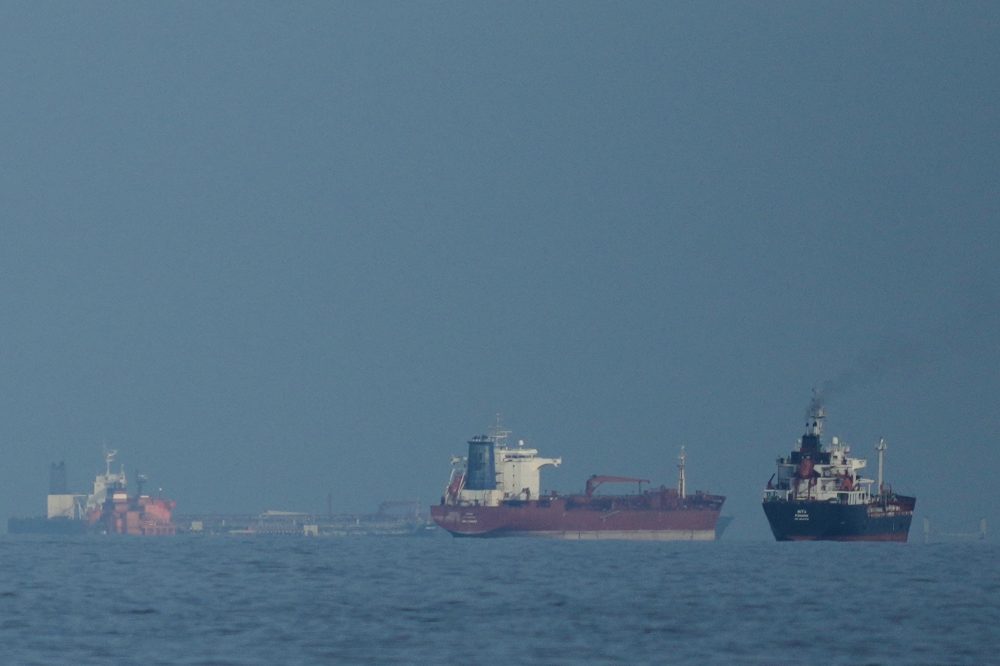
Even following the recent ceasefire, shipping activity through the Strait has remained restricted. Maritime tracking systems indicate more than 40 commercial vessels have passed through since the ceasefire began.
Rystad Energy’s chief economist Claudio Galimberti suggested the blockade could increase prices while potentially advancing diplomatic discussions.
“It means the oil markets will be even tighter than before,” he said. “However, I think this is a negotiation tactic, which eventually resolves into a full opening of Hormuz. So, more pain now, but more gain later.”
Rice University Energy Research Fellow Jim Krane expressed concerns that while the blockade might serve as an effective long-term economic pressure tool against Iran, it represents poor short-term negotiating strategy given current market stress.
“If the deficit to the oil market takes another jump it is going to impose pain on every person on Earth that’s subject to market oil prices,” he said.