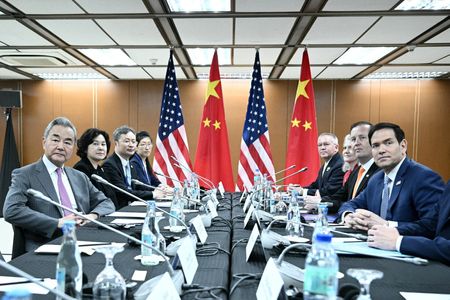

Crude oil markets saw continued price increases Thursday as diplomatic negotiations to resolve the ongoing Middle East conflict between the United States, Israel and Iran have reached an impasse.
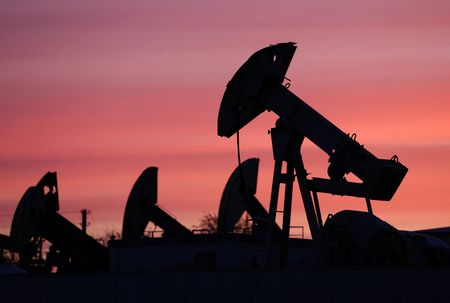
Brent crude futures for June delivery climbed $1.91 per barrel, representing a 1.62% increase to $119.94 as of early Thursday morning. This marked the ninth consecutive day of gains for the June contract, which was set to expire Thursday. The July contract reached $111.38, up 94 cents or 0.85%.
Meanwhile, U.S. West Texas Intermediate futures for June rose 63 cents to $107.51 per barrel, a 0.59% increase. This followed Wednesday’s 7% surge and represented gains in eight of the past nine trading sessions.
President Donald Trump held discussions Wednesday with representatives from oil companies regarding strategies to address the potential impact of a prolonged U.S. naval blockade of Iranian ports, according to a White House spokesperson. This development heightened market concerns about extended interruptions to global oil supplies.
“Prospects for any near-term resolution to the Iran conflict or a reopening of the Strait of Hormuz remain dim,” market analyst Tony Sycamore from IG stated in his analysis.
The presidential meeting with energy sector leaders occurred following the breakdown of diplomatic efforts to end the conflict, which has resulted in thousands of casualties and created what industry experts describe as an unprecedented global energy supply crisis.
Iran has effectively shut down nearly all maritime traffic except its own vessels through the Strait of Hormuz, a critical passage for Middle Eastern energy exports, since U.S. and Israeli military operations against Iran commenced on February 28. The United States responded this month by implementing its own blockade of Iranian shipping.
Looking at production decisions, the OPEC+ alliance of oil-producing nations and their partners appears poised to approve a modest production increase of approximately 188,000 barrels daily during Sunday’s scheduled meeting, according to industry sources.
This gathering follows the United Arab Emirates’ departure from OPEC, which takes effect May 1 and is anticipated to weaken the organization’s influence over global oil pricing. While the UAE’s exit could potentially allow increased production once exports resume, market analysts believe this won’t significantly impact supply fundamentals this year given the Hormuz closure and other war-related production interruptions.
“Gulf countries, including the UAE, will take months to return to pre-war production volumes,” analysts from Wood Mackenzie explained in their market assessment.