
WASHINGTON — Consumer costs are expected to climb significantly in the coming months, driven by recent dramatic increases in fuel prices that economists say will push inflation well beyond February’s relatively modest projections.
The Labor Department is set to release February inflation data Wednesday, with economists surveyed by FactSet predicting a 2.5% annual increase in consumer prices, up slightly from January’s 2.4%. Core inflation, which strips out volatile food and energy costs, is also forecast at 2.5% for February, matching January’s five-year low.
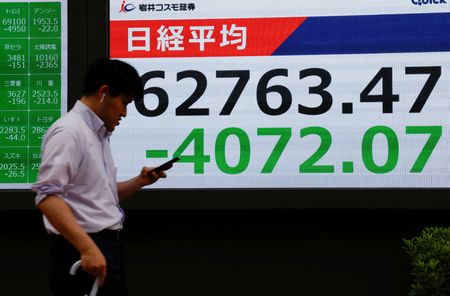
However, these numbers reflect conditions before the Iran conflict that began February 28, which has disrupted shipping through the Persian Gulf and caused dramatic swings in oil markets. Fuel costs have already surged and are anticipated to drive inflation substantially higher when March data becomes available next month.
The price increases will concern Federal Reserve officials focused on controlling inflation and may dampen consumer spending while weighing on economic growth overall. While the surge could prove temporary if the conflict resolves quickly as President Donald Trump has suggested, rising gas costs threaten to worsen inflation for several months as Americans continue struggling with nearly five years of persistently high prices that have made affordability a challenging political issue for congressional Republicans facing midterm elections this year.
Crude oil reached nearly $120 per barrel late Sunday before dropping Monday after Trump indicated the conflict would be a “short-term excursion.” However, he has also warned of continued attacks, leaving the timeline for resolution unclear.
Energy analysts caution prices could climb much higher if the Strait of Hormuz stays blocked, which has eliminated approximately three-quarters of Persian Gulf oil production from global markets, according to Wood Mackenzie energy analytics. The firm projects oil could hit $150 per barrel in coming weeks if shipments don’t restart.
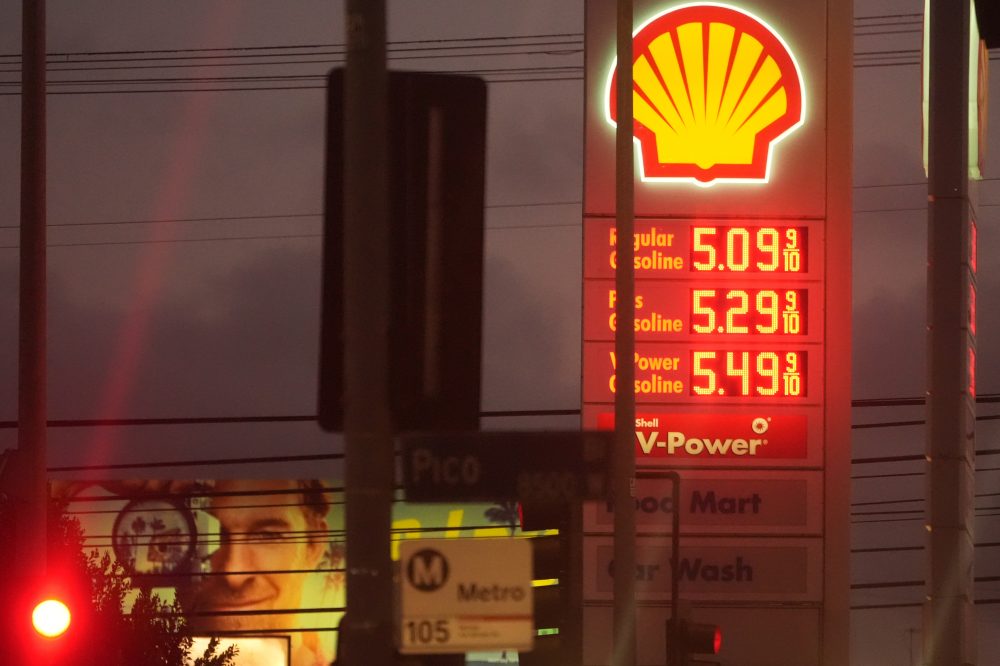
Such increases would further elevate U.S. gas prices, which reached a nationwide average of $3.54 per gallon Tuesday according to AAA, representing roughly a 20% jump in just one month.
Eventually, higher fuel costs will increase other expenses including airfares and shipping charges, potentially making groceries and restaurant meals more costly.
Meanwhile, given oil price volatility — U.S. crude fell nearly 9% to $86.55 Tuesday afternoon — forecasting the long-term impact remains challenging. If shipping resumes within a week or so, gas prices will likely decrease fairly quickly, though they typically drop much more gradually than they rise.
Laura Rosner-Warburton, senior economist at MacroPolicy Perspectives consulting firm, anticipates inflation could surge 0.8% to 0.9% in March alone compared to the previous month when that data is released. This would mark the largest monthly increase in nearly four years, potentially pushing annual inflation above 3% and possibly approaching 4% in subsequent months.
In contrast, overall prices are projected to rise just 0.3% in February from the prior month.
The gas price jump so far this month represents the steepest increase since March 2022, and before that, June 2009, Rosner-Warburton noted.
“That is enormous,” she said. “Increases of that magnitude are highly unusual.”
Core prices will face less immediate impact this month but could edge higher over time as expensive fuel drives up airline tickets and other transportation expenses. Core inflation is expected to have risen 0.3% in February from January.
Even if the sharp increase proves brief, it will almost certainly postpone any Federal Reserve interest rate reduction when policymakers meet next week. The Fed lowered its benchmark rate three times last year before keeping it steady at January’s meeting.
Fed officials remain deeply split over whether maintaining the current 3.6% rate is necessary to bring inflation closer to the 2% target, or if they should lower rates to encourage borrowing, spending, and job creation.
Last Friday’s government employment report showed an unexpectedly steep job decline in February, with employers cutting 92,000 positions and unemployment rising to 4.4% from 4.3%, though still remaining relatively low.
The disappointing jobs data creates a particularly challenging situation for the Fed, which would typically lower rates to stimulate growth and hiring but usually raises rates — or maintains current levels — when inflation concerns arise.
“That’s always the worst-case scenario for the central bank,” said Austan Goolsbee, president of the Federal Reserve Bank of Chicago, on Bloomberg Friday. “As we get more uncertainties, I kind of think that the time at which it makes sense to act keeps getting pushed back.”
Gregory Daco, chief economist at EY-Parthenon consulting firm, explained that normally the Fed would view an oil price shock as having only temporary inflation effects and might still reduce rates if the economy needed lower borrowing costs.
However, Fed policymakers were stung several years ago when they initially characterized the post-COVID inflation surge of 2022-23 — the worst in four decades — as temporary, Daco said. Consequently, they will hesitate to risk cutting rates too early. Some officials even suggested during January’s meeting they might need to raise rates soon rather than lower them, according to meeting minutes — and that was before the Iran conflict began.
“They do not want to be burned again,” Daco said.