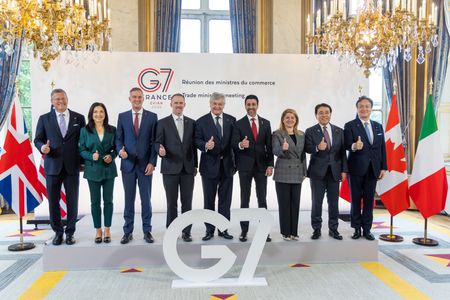

Trade officials from the world’s seven major economies gathered in Paris Wednesday, working to find shared solutions for securing essential mineral resources currently controlled largely by China, while new American tariff proposals against European vehicles threaten to create divisions within the alliance.
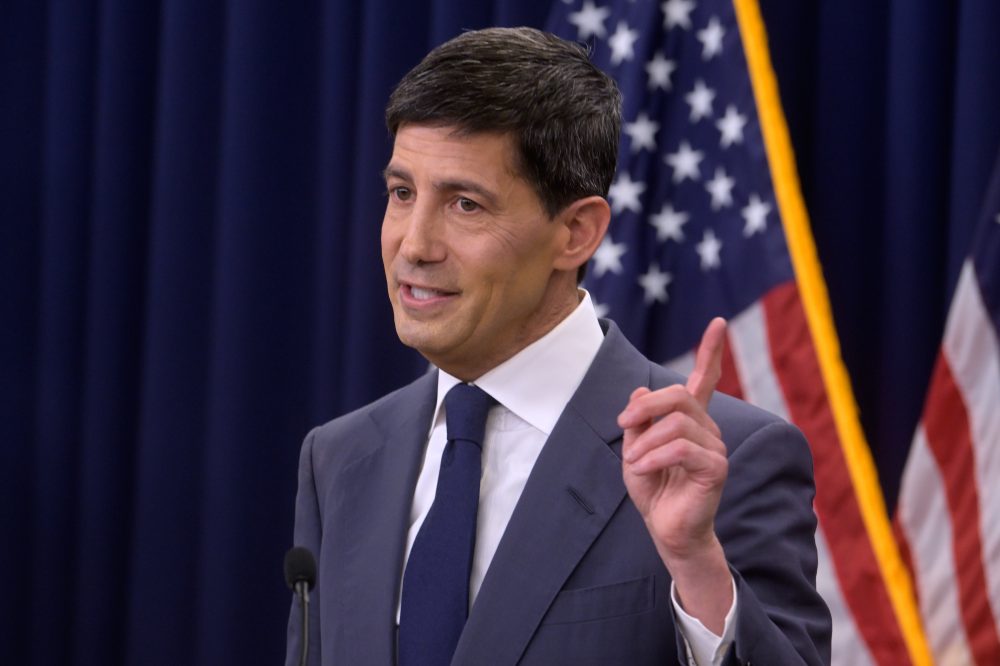
During France’s leadership of the G7, securing access to critical minerals has become a top priority as ministers prepare for the leaders’ summit scheduled for mid-June, according to French Foreign Trade Minister Nicolas Forissier upon his arrival at the discussions.
“I believe we will make very concrete progress on rare earths and critical minerals, securing our supply chains and ensuring we are not held hostage by certain countries,” he said.
Sources familiar with the negotiations indicated widespread consensus exists regarding the necessity to decrease dependence on China, though substantial disagreements persist about implementation strategies.
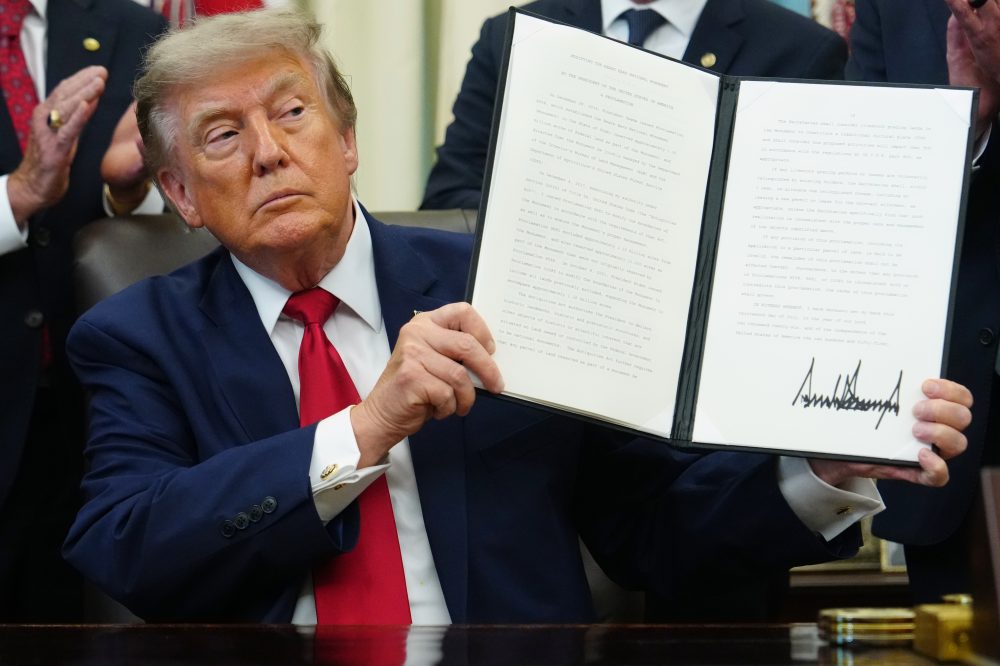
The group’s cohesion faces additional challenges following statements from U.S. President Donald Trump, who announced plans to increase tariffs on European Union-manufactured automobiles from 15% to 25%, claiming Brussels has failed to honor commitments made in last year’s Turnberry, Scotland trade agreement.
German Economy Minister Katherina Reiche confirmed she was engaged in active discussions with American officials regarding the proposed tariffs. Germany’s automobile industry, heavily dependent on exports, continues facing pressure from declining Chinese demand, reduced global economic growth, and rising production and labor expenses.
EU Trade Commissioner Maros Sefcovic revealed that he and U.S. Trade Representative Jamieson Greer had addressed the Turnberry agreement during Tuesday’s Paris meeting, and that he would be traveling to the European Parliament, where Wednesday’s negotiations on EU legislation connected to the trade deal were scheduled.
“We both clearly concluded that it’s important to respect the deal from Turnberry from both sides, so we have to deliver on what was promised in Scotland,” Sefcovic said.
According to Forissier, the trade ministers will also address industrial overproduction issues, primarily stemming from China, along with World Trade Organization reforms.