
California’s Supreme Court will hear arguments Wednesday in a groundbreaking case that could determine whether pharmaceutical companies must continue developing safer alternatives to drugs already on the market.
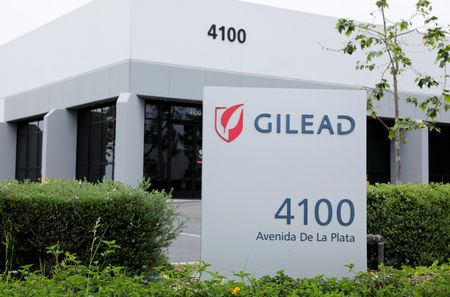
The legal challenge centers on Gilead Sciences, which is fighting lower court decisions allowing HIV patients to sue the company for negligence. The patients claim Gilead halted development of a drug with fewer side effects than its existing medication.
If upheld, the ruling could establish new product liability standards that might force drug manufacturers to invest more resources in developing and rapidly bringing alternative treatments to market – a concept legal experts call a “duty to innovate.”
The lawsuit involves approximately 24,000 HIV patients who used Gilead medications containing tenofovir disoproxil fumarate, known as TDF.
Federal regulators approved these TDF-based drugs in 2001, even though they carried potential risks including kidney damage and bone complications.
Shortly after, Gilead began researching tenofovir alafenamide fumarate, or TAF, a similar compound with reduced side effects.
However, the company stopped TAF development in 2004, stating that its safety and effectiveness improvements over TDF weren’t significant enough to warrant continued investment.
In its Supreme Court appeal, Gilead contends that allowing such lawsuits would discourage pharmaceutical innovation by making companies liable for developing but not marketing new treatments.
“In permitting liability for failing to bring to market an allegedly marginally better product — even when the accused product is not defective — and requiring manufacturers to disclose information to physicians about products still in development, the ruling weaponizes innovation itself,” Gilead stated. “The result would be less product development, not more.”
The patients argue that Gilead recognized TAF would “cannibalize” TDF sales and strategically postponed TAF’s release to maximize profits while waiting for TDF’s patent to expire in 2017.
“Gilead made billions in additional profit from tenofovir-containing drugs sold after 2017,” the patients stated. “A jury must now decide whether this boardroom decision to intentionally delay the commercialization of TAF at the expense of thousands of HIV-infected patients using TDF was unreasonable.”