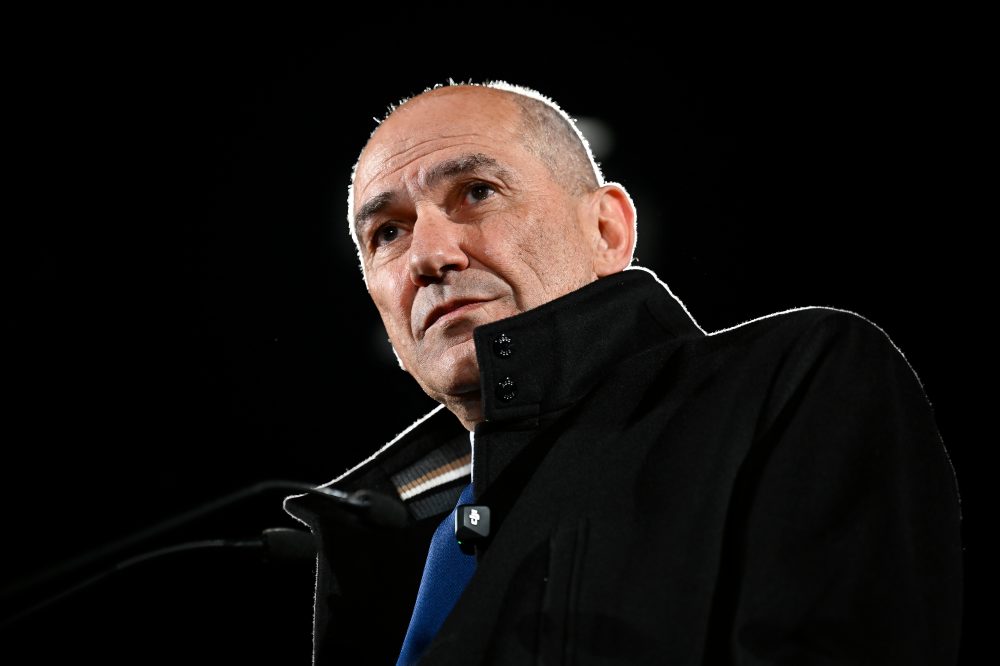

LJUBLJANA, Slovenia (AP) — Veteran politician Janez Jansa is poised to reclaim Slovenia’s top leadership position after parliamentary lawmakers submitted his nomination on Tuesday, clearing a path for establishing a new administration nearly two months following national elections.
The former prime minister, who previously held the office during three separate terms, received formal backing from members of his Slovenian Democratic Party. His anticipated coalition administration will incorporate additional right-leaning political groups and gain support from an anti-establishment party making its debut in politics.
Parliamentary officials have not yet announced when the new administration will receive official legislative approval. According to Slovenia’s public broadcaster RTV Slovenia, Jansa has secured support from 48 members within the 90-seat legislative body.
Should lawmakers confirm his appointment, Jansa’s selection would represent a conservative shift for the European Union member nation, which had been governed by a liberal administration.
The experienced political figure, age 67, has expressed admiration for U.S. President Donald Trump and maintained strong ties with former populist Hungarian Prime Minister Viktor Orbán, who suffered a decisive electoral defeat last month.
Jansa’s most recent tenure as prime minister lasted from 2020 through 2022, ending when he was defeated by the liberal Freedom Movement led by outgoing Prime Minister Robert Golob.
The returning leader has consistently criticized Golob’s administration, particularly Slovenia’s 2024 decision to formally recognize a Palestinian state.
Following the April 22 parliamentary elections, both the Freedom Movement and Jansa’s SDS achieved virtually identical results. However, Golob was unable to successfully establish a new liberal coalition partnership, creating an opportunity for Jansa’s political return.
The March 22 voting process faced scrutiny due to claims of external interference and corrupt practices. The Alpine country’s 1.7 million eligible voters remain sharply split along liberal and conservative lines.