
A former Bank of Japan board member is warning that the nation could be heading toward another prolonged period of economic stagnation if policymakers don’t act quickly to raise interest rates.
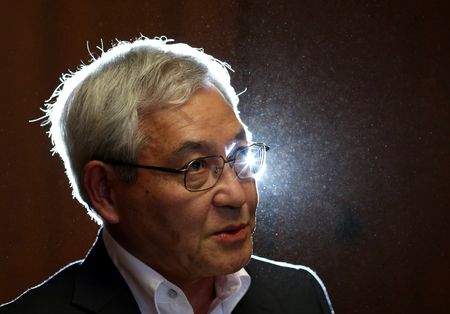
Makoto Sakurai, who previously served on the central bank’s board and maintains connections with current officials, said Monday that Japan faces the possibility of repeating the same policy errors that contributed to decades of economic decline.
The concern stems from inflation pressures created by the Iran conflict, which Sakurai believes could eventually compel the Bank of Japan to implement dramatic rate increases if preventive measures aren’t taken promptly.
Current Bank of Japan Governor Kazuo Ueda has referenced historical energy crises from 1973 and 1979-1980 as examples when discussing potential responses to the current situation caused by the conflict.
However, Sakurai points to a different historical lesson – Japan’s asset bubble that formed partly due to extensive monetary stimulus starting in 1986, which was implemented to counter a strengthening yen. The central bank maintained loose policies even as asset values climbed dramatically before changing direction in 1989. The subsequent sharp rate increases contributed to the bubble’s collapse and are widely blamed for three decades of economic weakness.
According to Sakurai, the Bank of Japan faces similar risks if it maintains low rates for an extended period, potentially creating conditions that would require aggressive policy tightening as inflation accelerates.
“Given broadening price pressures from the Iran war, stagflation is inevitable,” Sakurai told Reuters on Monday.
“There’s a serious risk of the BOJ falling behind the curve. Forgoing a rate hike in June is unthinkable,” he said.
The central bank moved away from a decade-long massive stimulus program in 2024 and has implemented multiple rate increases, including one in December. Despite these moves, the short-term policy rate remains at just 0.75% while inflation has surpassed the bank’s 2% target for four consecutive years.
Financial markets are currently anticipating an approximately 80% probability of a rate increase to 1% in June, following recent hawkish communications from the Bank of Japan.
The Iran conflict has created complications for central bank officials as they consider the timing and magnitude of rate adjustments, since higher energy prices both drive inflation and strain an economy that relies heavily on oil imports.
Economic data doesn’t indicate an overheating economy. Although first-quarter growth reached an annualized 2.1%, analysts anticipate slower expansion ahead as elevated fuel costs and supply chain disruptions impact business earnings.
Nevertheless, inflationary forces are strengthening as currency weakness and worker shortages encourage companies to raise prices.
While government subsidies have kept core consumer inflation under the Bank of Japan’s 2% target recently, Sakurai predicts it will climb to approximately 3.5% starting in autumn as businesses transfer war-related cost increases to consumers.
Sakurai also highlighted emerging signs of asset bubbles in Japan’s equity and real estate sectors, which the central bank identified as potential risks in its April semi-annual financial system assessment.
Japan’s Nikkei stock index reached a record high above 67,000 on Monday, driven by artificial intelligence-related stocks, while property values increased at their fastest rate in 34 years during 2024.
“If the BOJ holds reservations over raising rates now, it will be forced to do so at a rapid pace later and hurt the economy,” Sakurai said. “We’re only a step away from repeating the mistake that led to Japan’s lost decades.”