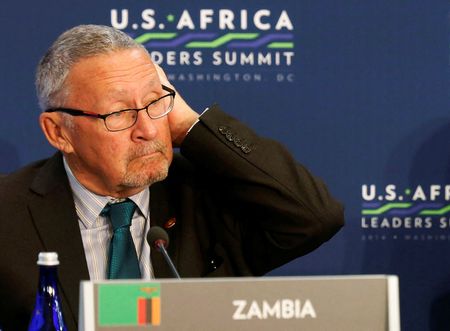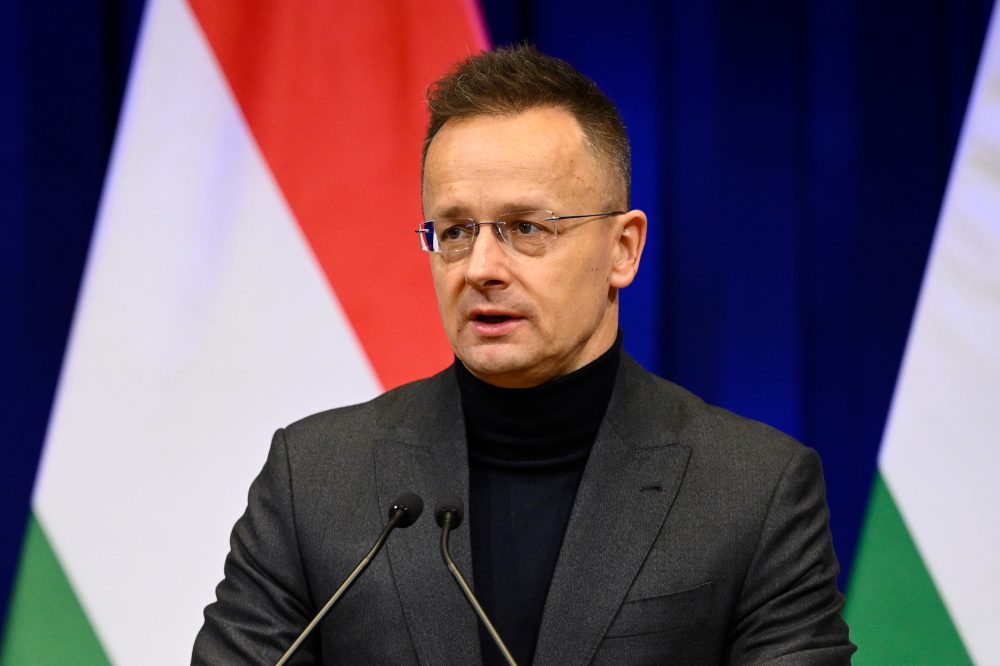

BUDAPEST, Hungary — Hungary’s former foreign minister has given up his seat in parliament and joined Chinese electric vehicle manufacturer BYD in an executive capacity, he revealed in a social media post on Wednesday.
Péter Szijjártó, who spent nearly 12 years as Hungary’s top diplomat under former Prime Minister Viktor Orbán, shared on Facebook that he had been extended “a highly prestigious offer” from the world’s leading electric carmaker “to fill an international position.”
“BYD is one of the greatest success stories in the automotive industry over the past 20 years,” Szijjártó wrote. “Starting today, I will continue to work as the executive responsible for the group’s external relations and the development of new business lines.”
Szijjártó lost his ministerial post after Orbán and his far-right Fidesz party suffered a decisive defeat in April’s elections, falling to the pro-European Tisza party and its leader, Prime Minister Péter Magyar.
Following that loss, Szijjártó had been largely absent from parliamentary votes and had rarely made public appearances or posted on social media. He had held a seat in parliament since 2002.
Back in 2023, Szijjártó — while still serving as foreign affairs and trade minister — announced that BYD would build its first European factory in Hungary. The move allowed the Chinese conglomerate to avoid European Union import tariffs on Chinese electric vehicles, which were put in place to shield Europe’s domestic auto industry.
Szijjártó played a key role in the negotiations that brought the plant to Hungary, noting at the time that the deal came together after 224 rounds of talks between BYD and the Hungarian government. He described the project as “one of the largest investments in Hungarian economic history” and confirmed that the government would offer financial incentives to support construction of the facility.
During his time in office, Szijjártó and Orbán pushed back against EU tariffs on Chinese goods and actively courted investment from Beijing, resulting in the establishment of several Chinese electric vehicle battery plants throughout Hungary. The Orbán government and China also partnered on a rail corridor linking Hungary and Serbia as part of Beijing’s “Belt and Road” global trade initiative.
Szijjártó also maintained unusually close ties with Russia throughout his tenure, even after Russia launched its full-scale invasion of Ukraine on Feb. 23, 2022. Unlike nearly all of his EU counterparts, he made repeated trips to Moscow to negotiate agreements on Russian oil and gas purchases and to meet with Russian Foreign Minister Sergey Lavrov, whom he publicly referred to as his “friend.”
In 2021, Russian President Vladimir Putin awarded Szijjártó the Russian Order of Friendship, one of the highest honors Russia can bestow on a foreign national.
Szijjártó became embroiled in controversy during Hungary’s 2026 election campaign after The Washington Post reported that he regularly phoned Lavrov from inside high-level EU meetings, providing “live reports on what’s been discussed.” Szijjártó disputed the report but acknowledged that he did speak with Lavrov before and after EU foreign minister meetings to discuss agendas and outcomes.
In March, the Orbán government filed espionage charges against a well-known Hungarian investigative journalist in connection with work the reporter had done while looking into Szijjártó’s communications with Lavrov. Those charges were later dropped after Hungary’s new government assumed office.