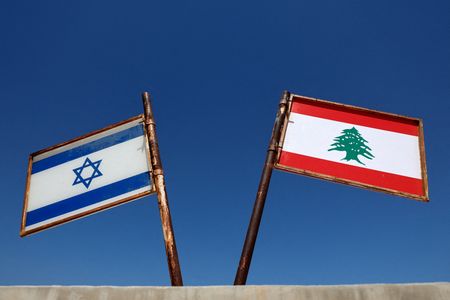

Lebanon and Israel wrapped up a two-day round of U.S.-brokered negotiations in Rome on Wednesday, with an American official reporting meaningful progress toward a plan that could trigger Israeli troop withdrawals from portions of southern Lebanon within days.
The two nations, long at odds with one another, held ambassador-level meetings at the U.S. embassy in Rome on Tuesday and Wednesday. It marked the sixth time the two sides have met face-to-face since a new war broke out on March 2 between Israel and Lebanese armed group Hezbollah — a conflict sparked by the broader regional fighting.
The foundation for these talks is a framework deal brokered by the United States on June 26. Under that agreement, Lebanon and Israel committed to a “pilot zone” approach that would involve the disarmament of militant groups — widely understood to mean Hezbollah — along with the deployment of Lebanese military forces to the south and a gradual pullback of Israeli troops currently occupying Lebanese territory.
A U.S. official, in written remarks shared with reporters, called the two days of discussions “productive and positive.”
“We agreed on the structure and guidelines for the pilot zone process, to be finalized and implemented in the coming days,” the official stated.
The official added that negotiations would now shift to a technical phase focused on putting the framework into action and ultimately reaching a “comprehensive agreement between Israel and Lebanon.”
Neither Lebanon nor Israel immediately offered their own assessments of how the talks went.
Israel’s military currently holds what it refers to as a “buffer zone” extending roughly 10 kilometers — about 6 miles — into Lebanese territory along the full stretch of the Israeli border. Israeli officials have argued the zone is essential to shield northern Israeli communities from Hezbollah attacks.
Lebanon has demanded that Israel begin pulling its forces out immediately, while Israel has maintained that its troops will stay in southern Lebanon for as long as Hezbollah remains armed.
The face-to-face negotiations have pressed forward despite sporadic deadly Israeli strikes and strong pushback from Hezbollah, which refuses to disarm. Hezbollah has said only pressure from its ally Iran can bring the war to an end and force Israel to withdraw.