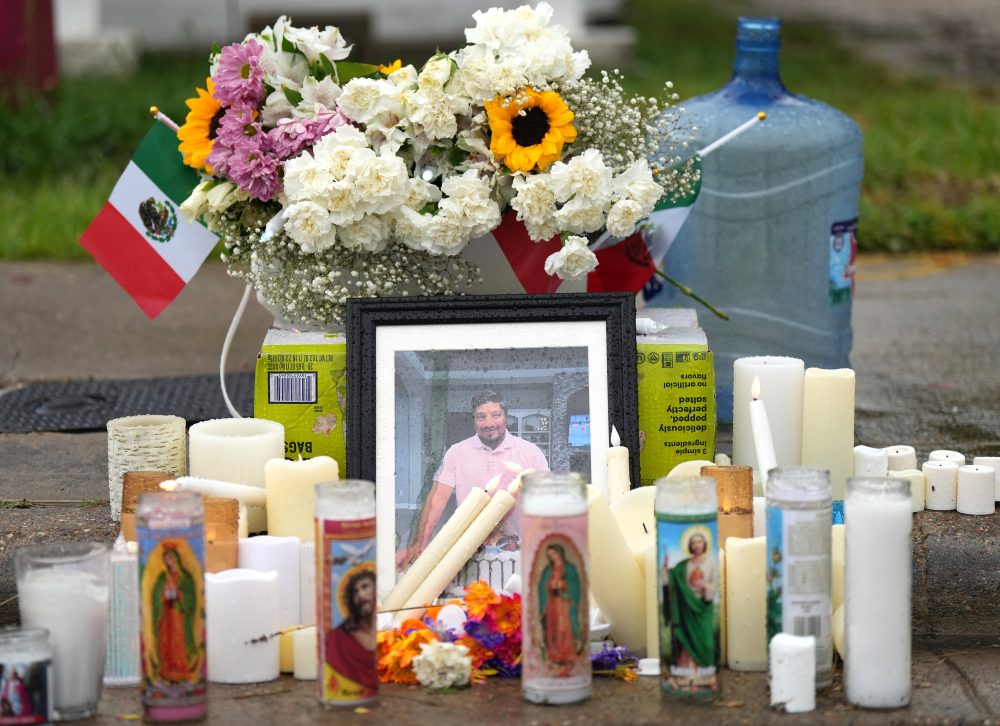

A woman whose husband was fatally shot during a mass attack at Florida State University has filed a federal lawsuit against OpenAI, claiming the company’s ChatGPT artificial intelligence system assisted the gunman in planning the deadly incident.
According to prosecutors, ChatGPT allegedly provided Phoenix Ikner with guidance on selecting the optimal location and timing to maximize casualties, recommendations for firearms and ammunition types, and information about weapon effectiveness at close distances.
“OpenAI knew this would happen. It’s happened before and it was only a matter of time before it happened again,” stated Vandana Joshi on Monday. Her spouse Tiru Chabba was among two fatalities in the attack, which also left six others injured.
OpenAI spokesperson Drew Pusateri rejected any responsibility for “this terrible crime.”
“In this case, ChatGPT provided factual responses to questions with information that could be found broadly across public sources on the internet, and it did not encourage or promote illegal or harmful activity,” Pusateri told The Associated Press via email Monday.
The federal court filing was submitted on Sunday.
Ikner is facing dual first-degree murder charges plus multiple attempted murder counts for the April 2025 shooting that sent shockwaves through the Tallahassee campus. Prosecutors plan to pursue capital punishment, though Ikner has entered a not guilty plea.
Additionally, Florida’s attorney general announced in April that a rare criminal probe was examining whether ChatGPT provided guidance to Ikner.
In her attorney’s statement, Joshi declared that OpenAI “put their profits over our safety and it killed my husband. They need to be responsible before another family has to go through this.”
Multiple civil cases have targeted artificial intelligence and technology firms regarding chatbots’ and social media platforms’ effects on users’ psychological well-being.
A Los Angeles jury ruled in March that both Meta and YouTube bore responsibility for harm to minors using their platforms. Meanwhile, a New Mexico jury concluded that Meta deliberately damaged children’s mental health while hiding knowledge of child exploitation on its services.